Food Manifest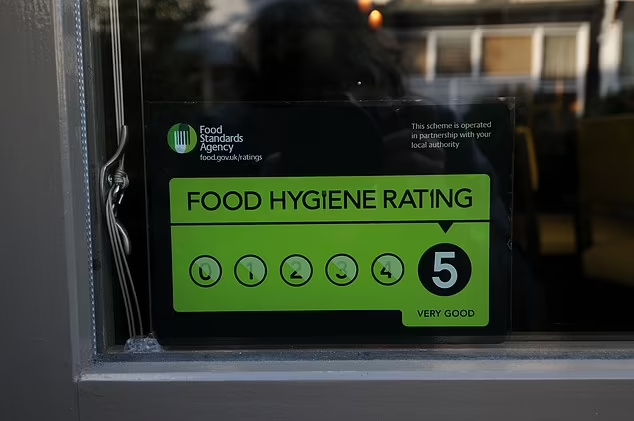
Significant Update
Despite being home to one of India’s largest food and restaurant industries, Hyderabad has recorded the lowest adoption of food hygiene ratings among major metro cities, according to data from the Food Safety and Standards Authority of India (FSSAI).
The city, known for its vibrant culinary culture and annual food industry turnover of more than ₹10,000 crore, has only 361 eateries with FSSAI hygiene ratings. This represents less than 2% of Hyderabad’s 25,000 licensed food establishments. The total number of food outlets in the city is estimated to be around 75,000.
In comparison, several major cities have reported significantly higher participation in the hygiene rating programme. Bengaluru has around 2,200 hygiene-rated eateries, while Delhi leads the country with 3,394 certified establishments. Even Ahmedabad and Jaipur have recorded much higher adoption levels.
Why Participation Remains Low
Food safety officials attribute Hyderabad’s poor performance largely to the voluntary nature of the programme. Since obtaining a hygiene rating is not mandatory, many food business operators have not opted to do so.
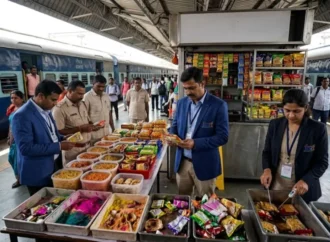
“During our inspections, we encourage hotel owners to obtain hygiene ratings. While the response has been limited, we have intensified Food Safety Training and Certification programmes to strengthen hygiene practices and improve overall food safety,” a senior official from the food safety wing of the Greater Hyderabad Municipal Corporation (GHMC) told The Times of India.
What the Hygiene Rating Measures
Introduced by FSSAI, the hygiene rating programme evaluates food establishments on parameters such as cleanliness, food handling practices, storage conditions, sanitation, and compliance with food safety standards. Based on their performance, establishments receive ratings ranging from 1 to 5 stars, which can be displayed to customers. The rating system aims to improve food safety practices while helping consumers make informed dining choices.
Calls for Greater Adoption
Authorities and industry bodies have attempted to promote the programme, but participation remains limited. In 2024, the National Restaurant Association of India (NRAI), in collaboration with the Commissioner of Food Safety, announced efforts to raise awareness about hygiene ratings and food safety practices.
NRAI member T Sampat recently proposed forming area-wise monitoring committees comprising NRAI representatives, food safety officials, and members of the public to identify eateries that have not obtained hygiene ratings and assess hygiene standards. With fewer than 2% of licensed eateries obtaining hygiene ratings, stakeholders are calling for greater participation in the programme. Some have also suggested making hygiene ratings mandatory to improve transparency, strengthen food safety standards, and help consumers make informed choices.