Food Manifest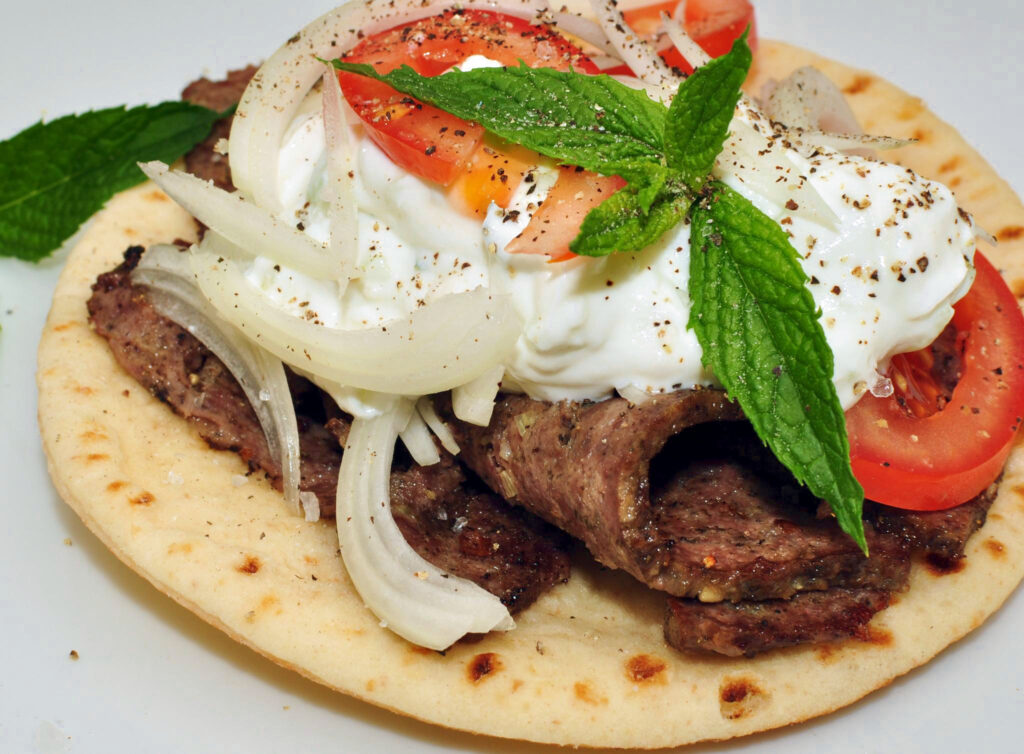
A sprig of coriander, a lemon wedge, or a colourful edible flower can instantly elevate the look and flavour of a meal. While these garnishes often seem like a decorative afterthought, they are still food—and they deserve the same attention to food safety as the main dish. Unlike cooked ingredients, most garnishes are served raw, so they do not undergo heat treatment that destroys harmful microorganisms. If restaurants fail to wash, store, or handle them properly, garnishes can become a source of foodborne illness. Understanding these risks can help both food businesses and consumers make safer choices.
Why Raw Garnishes Can Be a Food Safety Concern
Because restaurants serve most garnishes raw, they reach consumers without any cooking step to eliminate harmful microorganisms. If contamination occurs at any stage, the garnish can carry pathogens directly to the plate. Fresh garnishes may become contaminated through:
- Irrigation with contaminated water during cultivation
- Contaminated soil or manure
- Poor handling during harvesting, transport, or storage
- Washing with unsafe water
- Poor personal hygiene among food handlers
- Cross-contamination from raw meat, poultry, seafood, or unclean equipment during food preparation
As ready-to-eat foods, garnishes require strict hygiene throughout the supply chain and in the kitchen.
Common Garnishes That Require Careful Handling
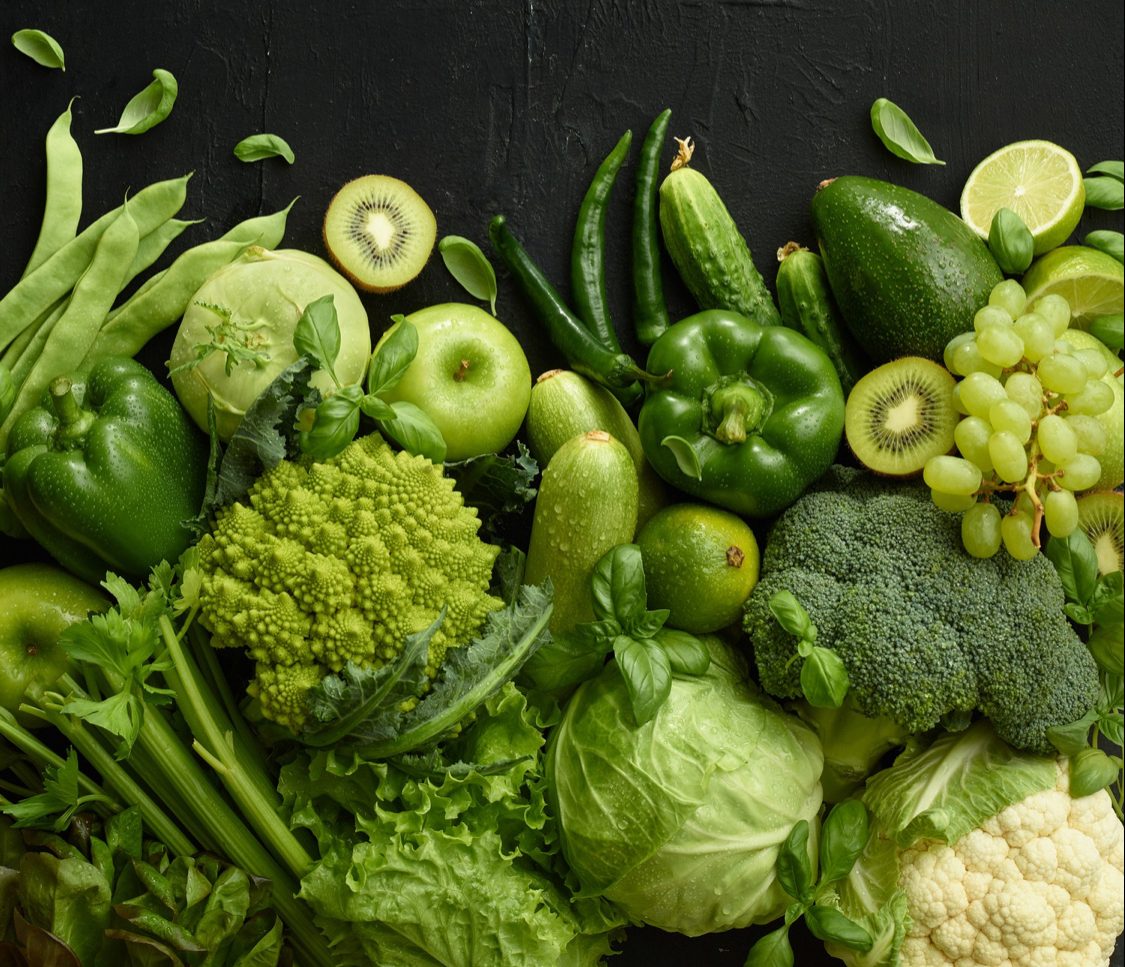
Restaurants commonly serve several raw garnishes that require proper washing and hygienic handling, including:
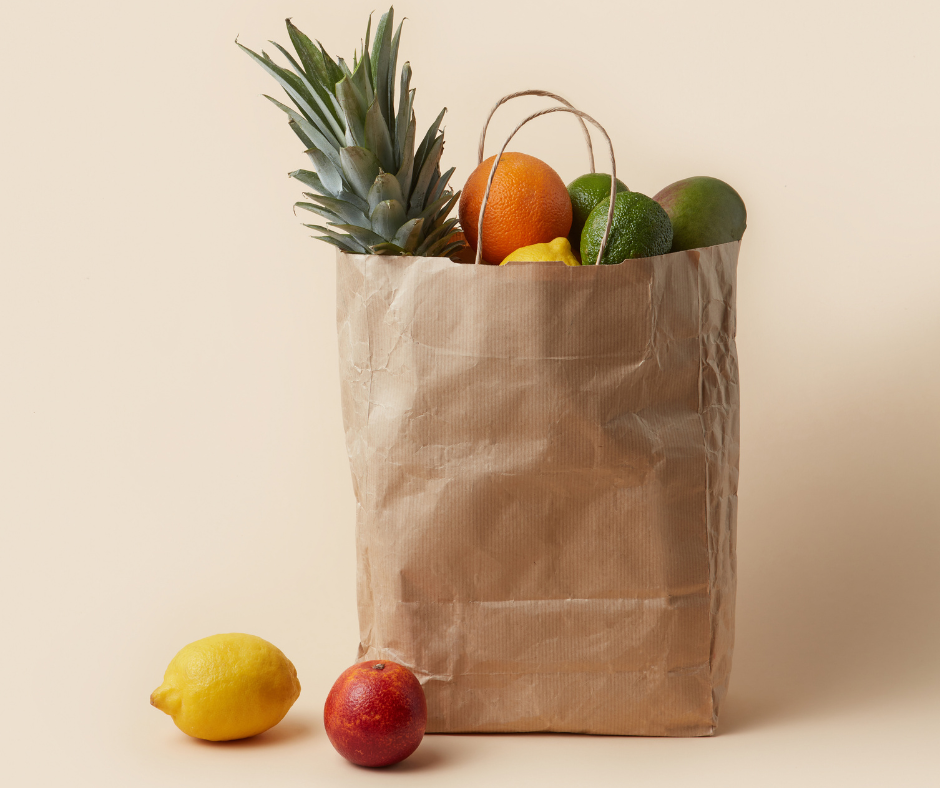
- Lemon and lime wedges
- Fresh herbs such as coriander, mint, parsley, basil, and dill
- Lettuce leaves and microgreens
- Raw onion, cucumber, and tomato slices
- Edible flowers
- Sprouts used as toppings
When handled correctly, these garnishes are safe to eat. However, because they are served without further cooking, they demand the same food safety precautions as salads and other ready-to-eat foods.
What Are the Risks?
Fresh fruits, vegetables, and herbs can occasionally carry foodborne pathogens if they are contaminated before or during preparation. Common microorganisms associated with contaminated fresh produce include:
- Salmonella
- Escherichia coli (E. coli)
- Listeria monocytogenes
- Norovirus
Improper washing, unsafe water, poor storage, or unhygienic handling can increase the risk of contamination.
Lemon wedges deserve special attention. While lemon juice is naturally acidic, the peel can still harbour harmful microorganisms if it is not washed thoroughly before cutting. Since diners often squeeze the wedge by hand or place it directly into beverages, safe handling remains essential.
How Restaurants Can Reduce the Risk
Restaurants can minimise contamination by following good hygiene and food handling practices. These include:
- Washing fresh produce thoroughly with potable water
- Buying ingredients from approved and reliable suppliers
- Storing garnishes under refrigeration until use
- Preparing garnishes on clean, sanitised surfaces
- Using clean utensils or gloves when handling ready-to-eat foods
- Preventing cross-contamination from raw foods
- Discarding garnishes that have been left at room temperature for extended periods
Regular staff training also plays a crucial role in maintaining food safety standards for ready-to-eat foods.
What Consumers Can Do
Although consumers cannot monitor kitchen practices, they can reduce their risk by making informed choices.
- Avoid garnishes that appear wilted, dirty, or dried out.
- If you are pregnant, elderly, immunocompromised, or serving young children, exercise extra caution with raw garnishes.
- Ask for your meal without raw garnishes if you have concerns.
- Choose restaurants that demonstrate good hygiene and food safety practices.
Every Ingredient Deserves Equal Attention
A garnish may be small, but it is still part of the meal. Fresh herbs, lemon wedges, edible flowers, and other raw garnishes can be enjoyed safely when restaurants follow proper hygiene and consumers remain aware of basic food safety principles. The next time a beautifully garnished plate arrives at your table, remember that every ingredient—not just the main course—should be prepared and handled with care.