Food Manifest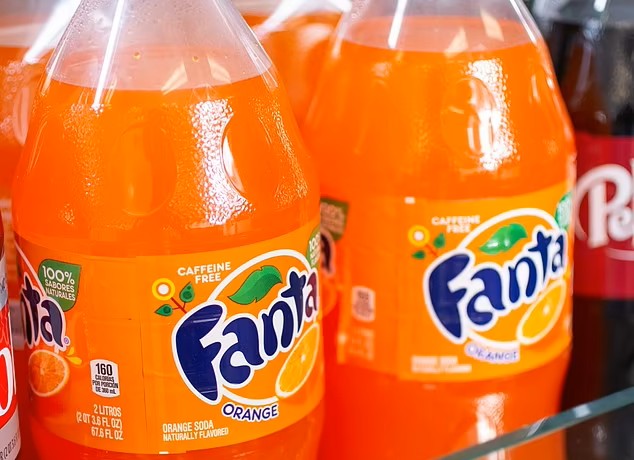
Key Update
Reports comparing Fanta sold in the UK and India have reignited concerns over differences in food formulations, nutritional standards and labelling practices. The UK version reportedly contains significantly less sugar, with some reports stating that the Indian version has around three times as much sugar.
The comparison comes as the Food Safety and Standards Authority of India (FSSAI) faces renewed pressure to introduce clearer front-of-pack warnings for foods high in sugar, salt and saturated fat.
UK Sugar Tax Drives Reformulation
Food safety educator Urvashi Agarwal said differences in regulatory policies can influence how manufacturers formulate products for different markets.
The UK’s Soft Drinks Industry Levy, commonly known as the sugar tax, charges manufacturers based on the sugar content of their drinks. This creates a financial incentive for companies to reduce sugar and reformulate their products. India currently has no equivalent tax on sugary soft drinks, reducing the financial pressure on manufacturers to lower sugar levels.
Different Markets, Different Ingredients
Product differences are not limited to sugar. Reports have also highlighted variations in ingredients and additive labelling between markets. Certain artificial colours used in foods and beverages in Europe require prominent health warnings, while information about some additives may appear less prominently on products sold in India.
Similar differences exist in other packaged foods. For example, some instant noodle products sold in the UK use sunflower oil, while variants sold in India use palm oil. Indian packs also do not currently display prominent front-of-pack warnings for high salt content.
Push for Clearer Food Labels in India
The issue has gained significance as the Supreme Court recently criticised FSSAI over delays in introducing front-of-pack warning labels for foods high in nutrients of concern. India’s packaged food and beverage industry is worth more than $100 billion, and industry estimates suggest that a large share of products could contain high levels of fat, sugar or salt.
While Indian regulators have explored colour-coded warnings and nutritional ratings since 2017, current requirements largely place nutritional information and ingredient lists on the back of packages.
The latest debate has renewed calls for clearer front-of-pack information and stronger measures to encourage manufacturers to reduce excessive levels of sugar, salt and fat. Food safety experts have also pointed to affordability as a challenge, as healthier formulations and cleaner-label products may remain inaccessible to many consumers.
Source: NDTV