Food Manifest
Key Update
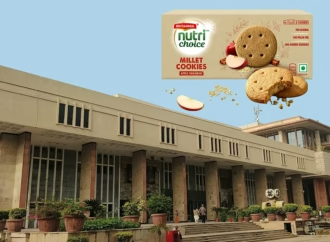
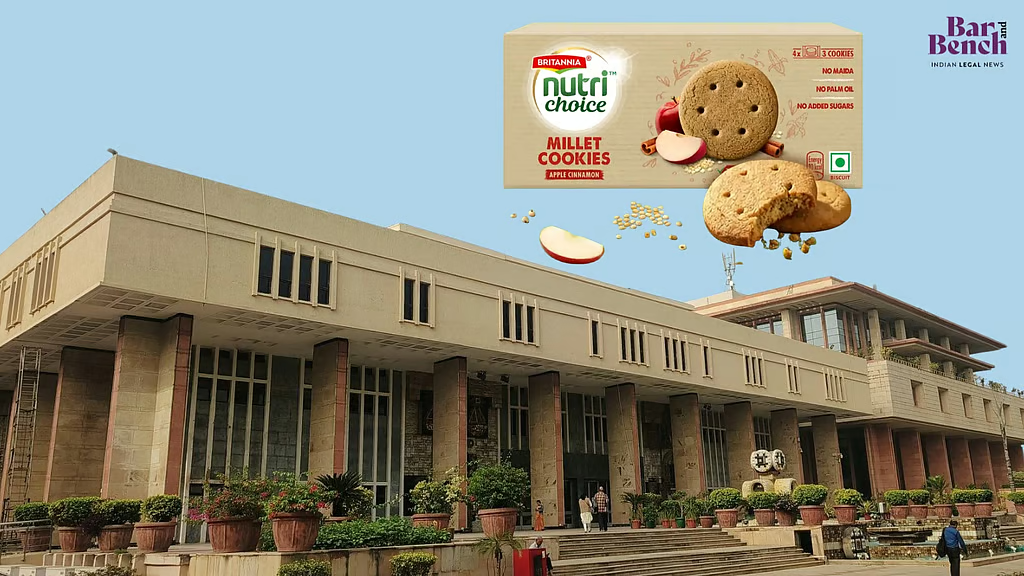
The Delhi High Court has stayed an order issued by the Food Safety and Standards Authority of India (FSSAI) directing Britannia Industries to remove the claims “No Added Sugar,” “No Maida” and “No Palm Oil” from its NutriChoice Millets Cookies packaging and advertisements. The Court granted interim relief to Britannia, allowing the company to continue using these claims. However, Britannia agreed to discontinue its separate “100% Millets” claim. The ruling highlights the ongoing debate over food labelling, ingredient declarations and potentially misleading advertising claims.
Why Did FSSAI Question the Claims?
FSSAI issued a notice to Britannia on September 2, 2026, questioning the use of claims that highlighted the absence of specific ingredients. The regulator raised concerns that such statements could influence consumer perceptions by suggesting that ingredients such as sugar, maida and palm oil were inherently harmful or inferior.
FSSAI examined the claims under the Food Safety and Standards (Advertising and Claims) Regulations, 2018, which govern how food businesses advertise and promote their products. On October 9, FSSAI directed Britannia to withdraw the disputed claims from its product packaging and promotional materials. The company subsequently challenged the order before the Delhi High Court.
Britannia Challenges FSSAI’s Order
Britannia argued that its packaging accurately described the ingredients absent from its biscuits. The company maintained that statements such as “No Maida” and “No Palm Oil” communicated factual information rather than making misleading comparisons with competing products.
Britannia also questioned FSSAI’s interpretation of the advertising regulations. It argued that the regulator had not provided sufficient justification for restricting the claims. The company further raised concerns about the regulatory process, including the communication of directions to licensing authorities and online platforms.
What Did the Delhi High Court Decide?
Justice Amit Mahajan stayed FSSAI’s October 9 order, allowing Britannia to continue using the three disputed claims while the Court examines the matter.
At this preliminary stage, the Court found insufficient grounds to treat the ingredient-related statements as claims that improperly undermined competing products under the relevant advertising regulations. However, Britannia agreed to stop using the “100% Millets” claim on its product. The Court’s decision provides interim relief and does not represent a final ruling on the legality of the disputed claims. The matter is scheduled for further hearing on January 15, 2027.
Why Does This Matter for Food Labelling?
Food labels play an important role in helping consumers understand product ingredients and make informed purchasing decisions. Claims such as “No Added Sugar,” “No Maida” and “No Palm Oil” may attract consumers who prefer products without these ingredients.
However, the absence of a particular ingredient does not automatically make a food product healthier or nutritionally superior. For example, a product carrying a “No Added Sugar” claim may still contain naturally occurring sugars. Similarly, biscuits without maida or palm oil may contain other ingredients that contribute to their overall calorie, fat or sugar content. Consumers should therefore examine ingredient lists and nutritional information rather than relying only on prominent packaging claims.
Source: Live Law.In