Food Manifest
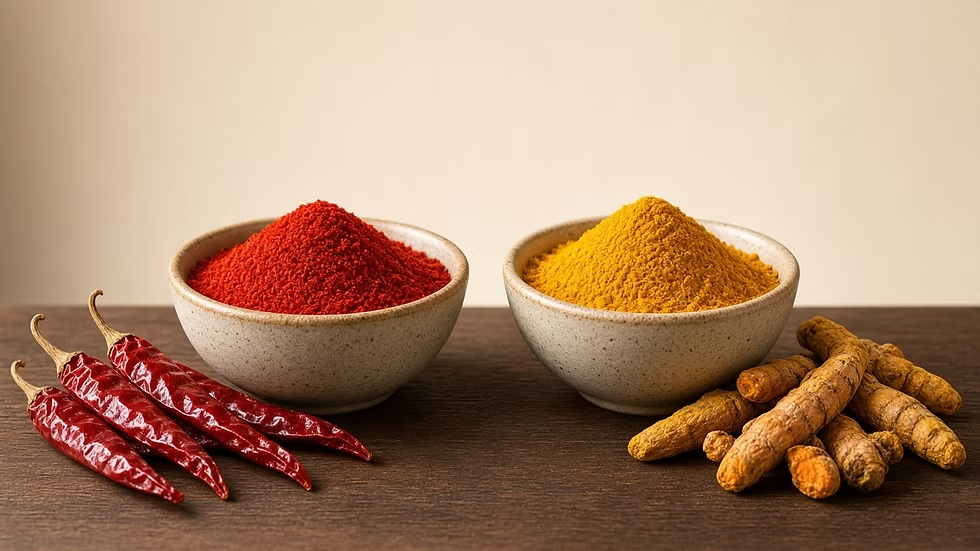
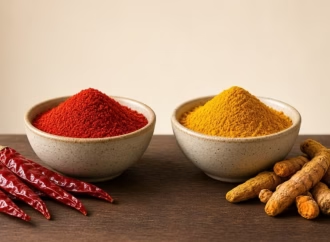
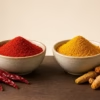
Spices add flavour, colour, and aroma to everyday meals, but improper harvesting, drying, and storage can create a hidden food safety risk. Dried chillies, turmeric, black pepper and other spices can become contaminated with moulds that produce toxic substances called mycotoxins. Among these, aflatoxins are a particular concern because of their potential health effects. While spices may appear dry and suitable for consumption, contamination is not always visible, making proper handling and storage essential.
What Are Mycotoxins?
Mycotoxins are naturally occurring toxic substances produced by certain species of fungi (moulds). These fungi can grow on agricultural commodities before harvesting or during subsequent drying, processing and storage. Among the different types of mycotoxins, aflatoxins are particularly concerning due to their potential health effects. Certain strains of Aspergillus flavus and Aspergillus parasiticus primarily produce them. Aflatoxin B1 is particularly significant because the International Agency for Research on Cancer (IARC) classifies it as a Group 1 carcinogen, meaning there is sufficient evidence that it causes cancer in humans. Other mycotoxins, including ochratoxin A, may also contaminate spices. The type and extent of contamination depend on the commodity, environmental conditions and handling practices.
Why Are Dried Chillies and Spices Vulnerable?
The conditions under which spices are grown, harvested and stored can influence their susceptibility to fungal contamination. Spices often grow in warm and humid climates, where conditions can favour fungal development. Although drying reduces moisture and helps prevent microbial growth, inadequate drying or exposure to moisture during storage can encourage mould growth. Several factors can increase this risk:
- Inadequate drying: Spices that retain excess moisture after harvesting provide favourable conditions for fungal growth.
- High humidity: Exposure to humid environments can cause dried spices to absorb moisture.
- Poor storage: Damp storage areas, leaking roofs and inadequate ventilation can encourage mould development.
- Damaged products: Insects, physical damage and broken spice pieces can create opportunities for fungal contamination.
- Contaminated raw materials: Spices may already carry fungal contamination before processing and packaging.
These conditions can affect different spices, although the extent of contamination varies. Dried red chillies, black pepper, turmeric, coriander and other spices have been associated with mycotoxin contamination in different studies. The risk depends on the product and the conditions it encounters throughout the supply chain.
What Happens When We Consume Contaminated Spices?
The health effects of consuming mycotoxins depend on the type of toxin, the amount consumed and the duration of exposure. Aflatoxins are particularly concerning because repeated dietary exposure can damage the liver and increase the risk of liver cancer. High-level exposure can also cause acute aflatoxicosis, a serious condition that may result in severe liver injury.
Although spices are generally consumed in small quantities, they can contribute to overall dietary exposure when contaminated. The extent of this exposure depends on contamination levels, consumption patterns and the presence of aflatoxins in other foods. Moreover, mycotoxins do not necessarily produce immediate symptoms after consumption. This makes preventing contamination and monitoring food quality particularly important.
Can Washing or Roasting Remove Mould Toxins?
Since mould contamination is not always visible, consumers may assume that washing, roasting or cooking spices can make them safe. However, this is not a reliable way to eliminate mycotoxins. Certain mycotoxins, including aflatoxins, are relatively stable under normal cooking conditions. Ordinary roasting, boiling or frying may not destroy them sufficiently to ensure safety.
Similarly, washing spices may remove some surface dirt and contamination, but it cannot reliably eliminate toxins that have already entered the product. Removing visibly mouldy portions also does not guarantee that the remaining spice is safe. Therefore, preventing fungal growth and controlling contamination during harvesting, drying, processing and storage are more effective than relying on household preparation methods.
How Can Consumers Reduce the Risk?
While consumers cannot identify mycotoxins through appearance alone, certain precautions can help reduce the risk of exposure:
- Buy from reliable sources: Choose spices from manufacturers and sellers who follow appropriate food safety and quality standards.
- Check packaging: Avoid products with damaged, damp or poorly sealed packaging.
- Look for visible signs: Discard spices showing mould, unusual discolouration, dampness or musty odours.
- Store correctly: Keep spices in clean, dry, airtight containers, away from moisture and direct heat.
- Avoid prolonged storage: Buy quantities that can be used within a reasonable period rather than keeping large stocks for extended periods.
- Prevent moisture entry: Always use a clean, dry spoon when handling powdered spices.
Why Proper Drying and Storage Matter

While consumers can take steps to store spices safely, preventing mycotoxin contamination requires attention throughout the food supply chain. Farmers must dry spices adequately after harvesting, while processors and manufacturers need to maintain hygienic handling, suitable storage conditions and appropriate quality checks. Food businesses can also use laboratory testing to detect and monitor mycotoxins in raw materials and finished products. Regulatory limits and food safety standards further help control contamination and protect consumers.
Ultimately, dried spices may have a longer shelf life than fresh produce, but that does not make them immune to contamination. Ensuring their safety begins well before they reach our kitchens, with proper drying, moisture control, hygienic handling and responsible storage at every stage.