Food Manifest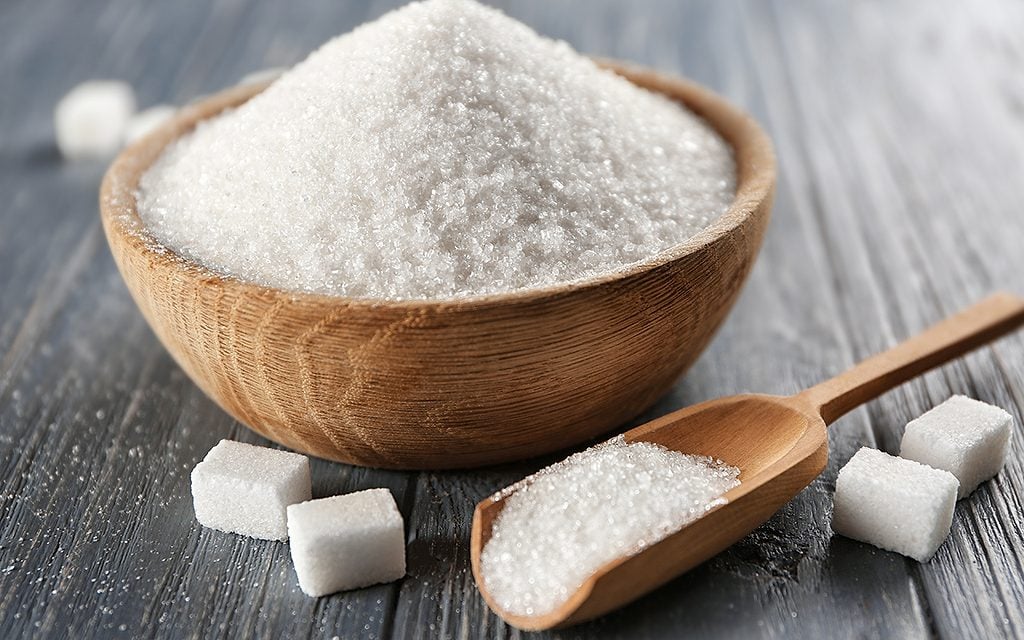
Sugar is one of the most common ingredients in our kitchens, often associated with sweetness and desserts. But in the world of food science, sugar plays many roles beyond satisfying our sweet tooth. From preserving foods and improving texture to enhancing flavour and supporting fermentation, sugar is an essential ingredient that contributes to the quality, stability, and sensory appeal of many foods. Understanding these functions helps explain why sugar is found in a wide variety of products—including some that are not sweet at all.
More Than Sweetness
When we think of sugar, we usually think of cakes, chocolates, or soft drinks. However, sugar is also present in products such as bread, sauces, pickles, jams, breakfast cereals, and even some savoury foods. In many of these products, its primary role is not simply to add sweetness but to improve the food’s overall quality and shelf life.
Sugar Helps Preserve Food

One of sugar’s oldest and most important uses is food preservation. Sugar binds with water, reducing the amount of free water available for many spoilage microorganisms to grow. This principle has been used for centuries to make jams, jellies, fruit preserves, and candied fruits.
It is important to note that sugar does not sterilise food or eliminate harmful microorganisms. Instead, when used in sufficient concentrations and alongside proper processing, it helps slow the growth of many spoilage microbes, contributing to a longer shelf life.
Sugar Improves Texture
Sugar has a significant impact on the texture of foods. In baked products such as cakes and muffins, sugar helps create a soft, tender crumb by interfering with gluten development. In cookies, it contributes to crispness, while in ice cream it helps create a smoother texture by reducing the formation of large ice crystals.
In jams and jellies, sugar works together with pectin to produce the familiar gel-like consistency that consumers expect. Without sugar, many foods would have a very different texture and mouthfeel.
Sugar Creates Colour
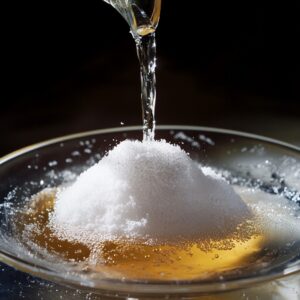
The appealing golden-brown colour of baked goods is often due to sugar. During heating, sugar undergoes caramelisation, producing rich colours and flavours. Sugar also participates in the Maillard reaction, a chemical reaction between sugars and proteins that gives bread crusts, biscuits, roasted foods, and baked products their characteristic colour and aroma. These reactions not only improve appearance but also contribute to the complex flavours associated with cooked foods.
Sugar Enhances Flavour
Sugar does more than make foods taste sweet. It can balance sourness in tomato sauces, reduce bitterness in certain foods and beverages, and enhance fruit flavours in products such as jams and yoghurts. Even in savoury recipes, a small amount of sugar is sometimes added to create a more balanced flavour profile. This is why many processed foods contain modest amounts of sugar even when they are not intended to taste sweet.
Sugar Supports Fermentation

Sugar plays a vital role in fermentation. In bread making, yeast consumes sugars and produces carbon dioxide gas, causing dough to rise and creating the light, airy texture of bread. Similar processes occur in the production of several fermented foods and beverages. Without an available source of fermentable sugars, these products would not develop their expected texture or characteristics.
Sugar Helps Retain Moisture
Sugar is hygroscopic, meaning it attracts and retains moisture. This property helps baked products such as cakes, muffins, and certain biscuits stay softer for longer. By retaining moisture, sugar slows the drying process and contributes to product freshness during storage.
Can Sugar Simply Be Replaced?
Reducing sugar in foods is an important goal in many product reformulations, but replacing it is not always straightforward. Manufacturers must replace not only the sweetness but also sugar’s other functional roles, including preservation, texture, colour development, moisture retention, and fermentation. As a result, reducing sugar often requires carefully balancing multiple ingredients rather than simply removing sugar from a recipe.
Using Sugar Wisely
While sugar has valuable technological functions in food production, moderation remains important in the overall diet. Consumers should enjoy sweet foods as part of a balanced eating pattern and be mindful of the amount of added sugars they consume. At the same time, understanding sugar’s role in food science helps explain why it appears in many products and why reducing it can be more complex than it may seem.
The Bottom Line
Sugar is far more than a sweetener. It helps preserve foods, improves texture, creates appealing colours, enhances flavours, supports fermentation, and retains moisture. These functional properties make it one of the most versatile ingredients in modern food production.
The next time you read an ingredient list, remember that sugar may be doing much more than simply making the food taste sweet—it may also be helping keep the product stable, enjoyable, and consistent in quality.