Food Manifest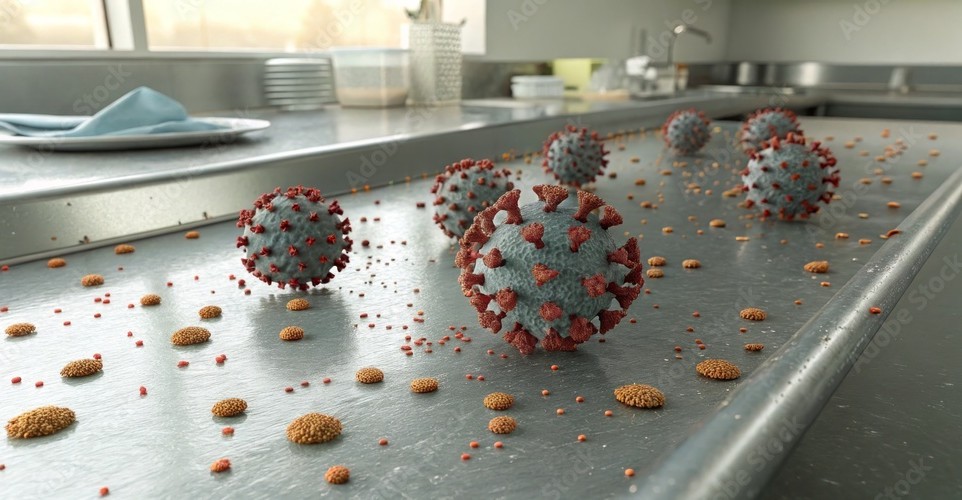
When people think of food poisoning, bacteria such as Salmonella or Escherichia coli (E. coli) often come to mind. However, viruses are also a major cause of foodborne illness worldwide. The good news is that viruses behave very differently from bacteria—and understanding that difference can help consumers make safer food choices.
One of the biggest misconceptions about food safety is that viruses can multiply in food. Surprisingly, they cannot. Unlike bacteria, viruses need a living host to reproduce. They cannot grow, multiply, or increase in number on food sitting on your kitchen counter or inside your refrigerator. Instead, they survive on contaminated food until they enter the human body, where they infect cells and begin to replicate.
Viruses vs. Bacteria: What’s the Difference?
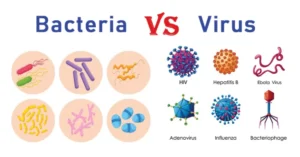
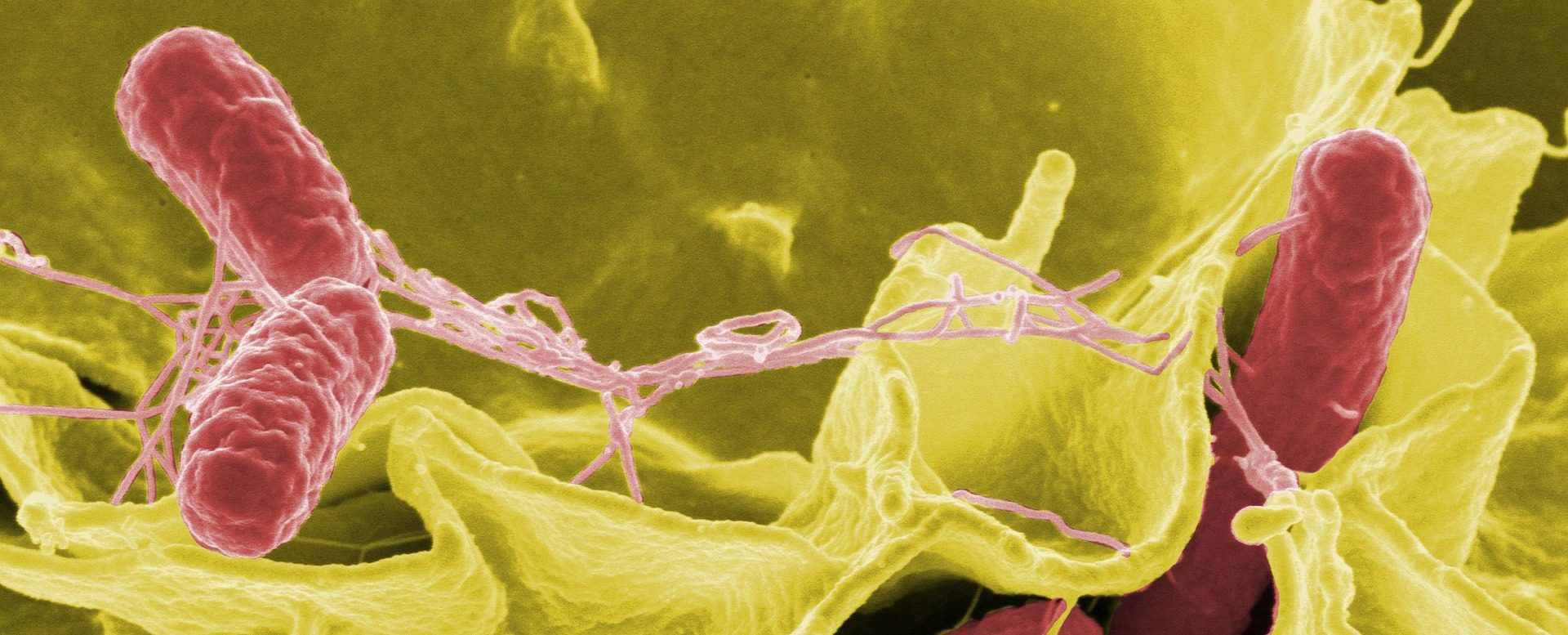
Bacteria are living microorganisms capable of reproducing on their own under the right conditions. Given enough moisture, nutrients, and favourable temperatures, bacteria can multiply rapidly in foods such as cooked rice, meat, dairy products, or leftovers left at room temperature.
Viruses, on the other hand, are much simpler. They are essentially tiny packets of genetic material enclosed in a protective coat. Because they lack the machinery needed to reproduce independently, they rely entirely on living cells to replicate.
This means a sandwich contaminated with a virus will not become “more contaminated” simply because it sits on the table for a few hours. However, the virus can remain infectious long enough to cause illness if the food is consumed.
How Do Viruses Get Into Food?
Unlike bacteria, which often enter food through improper storage or inadequate cooking, viruses usually reach food through contamination by infected people or contaminated water. Common routes include:
- Food handlers preparing meals without proper handwashing after using the toilet.
- Contaminated irrigation water used to grow fruits and vegetables.
- Polluted coastal waters where shellfish such as oysters and mussels are harvested.
- Cross-contamination from contaminated surfaces, utensils, or hands.
In many cases, the food itself is not the source of the virus—it merely acts as a vehicle that carries the virus from one person or environment to another.
Which Viruses Commonly Spread Through Food?
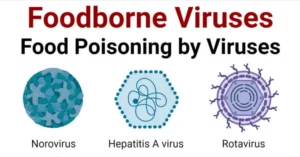
Several viruses are known to cause foodborne illness, but a few account for the majority of cases.
Norovirus is the leading cause of viral gastroenteritis worldwide. It spreads easily through contaminated food, water, surfaces, and direct person-to-person contact. Even a very small number of virus particles can make someone sick.
Hepatitis A virus can also spread through contaminated food and water, especially when food is handled by an infected person. Unlike norovirus, which primarily causes vomiting and diarrhoea, hepatitis A affects the liver and may take weeks before symptoms appear.
Other viruses, including Hepatitis E virus, Sapovirus, and Rotavirus, can also be transmitted through contaminated food or water under certain circumstances.
Does Refrigeration Kill Viruses?
Unfortunately, no.
Refrigeration slows bacterial growth but has little effect on most viruses. Freezing also does not reliably destroy them. In fact, some viruses can remain infectious even after being frozen for extended periods. Similarly, washing fruits and vegetables helps remove dirt and some microorganisms, but it may not eliminate all viruses attached to the surface. This is why preventing contamination in the first place is far more effective than trying to remove viruses later.
Can Cooking Make Food Safe?
Proper cooking can inactivate many foodborne viruses, although effectiveness depends on achieving the appropriate temperature throughout the food. However, many foods commonly linked to viral outbreaks are eaten without cooking. Salads, fresh fruits, sandwiches, and raw shellfish receive little or no heat treatment, making good hygiene during preparation especially important. This also explains why food handlers play such a critical role in preventing viral foodborne illness.
The Human Factor Matters Most
Unlike bacterial food poisoning, many viral outbreaks begin with an infected person preparing or serving food. Someone experiencing diarrhoea or vomiting—or even recovering from illness—may still shed viruses that contaminate food if proper hand hygiene is not followed.
For restaurants, catering services, and home kitchens alike, one of the most effective food safety measures is ensuring that anyone who is ill avoids handling food until they are no longer infectious. Frequent handwashing with soap and water remains one of the simplest and most effective ways to prevent the spread of foodborne viruses.
How Can Consumers Reduce the Risk?
While consumers cannot eliminate every risk, a few simple practices can significantly reduce the chances of viral foodborne illness:
- Wash hands thoroughly with soap and water before preparing or eating food.
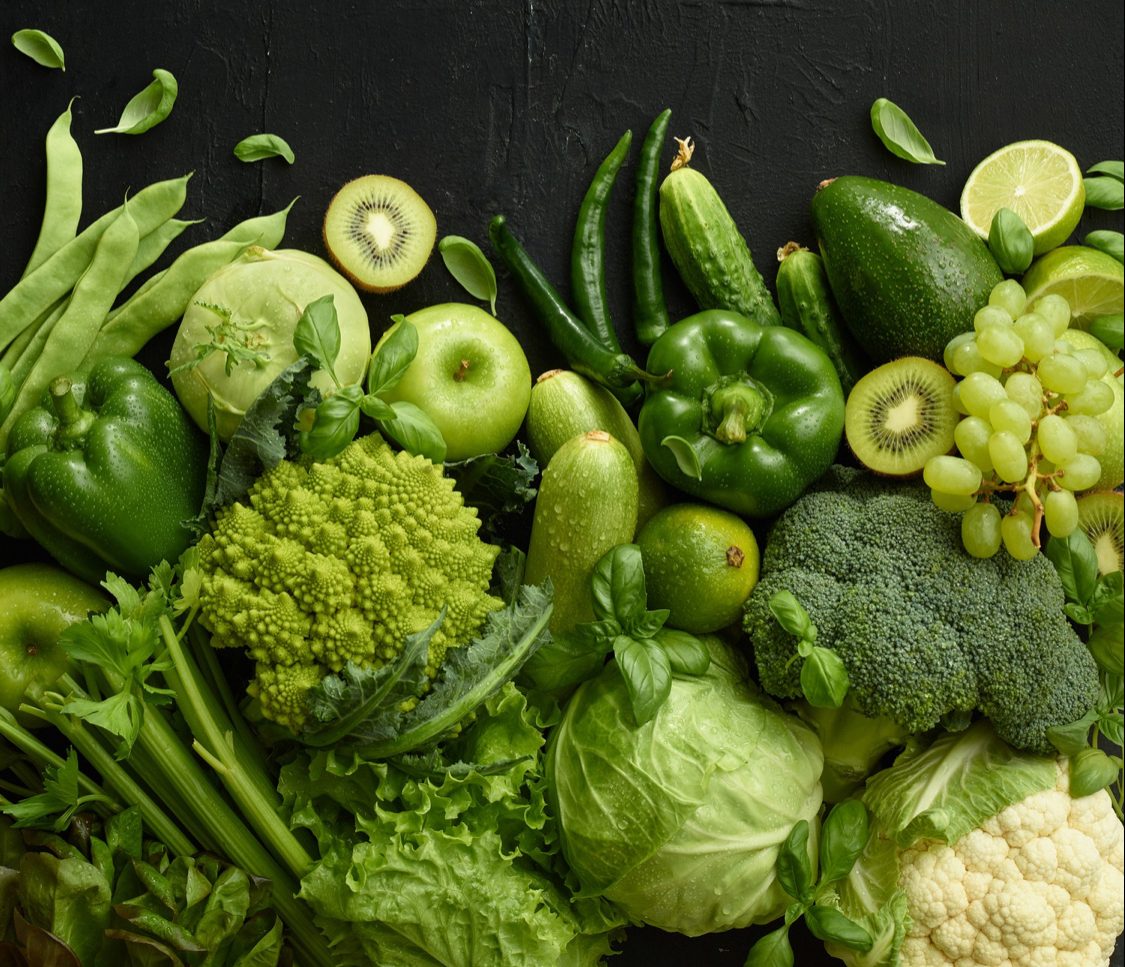
- Wash fresh produce under clean running water before consumption.
- Avoid preparing food for others when experiencing vomiting or diarrhoea.
- Cook foods that require heat thoroughly.
- Purchase shellfish from reputable suppliers and avoid consuming raw shellfish if you are at higher risk of severe illness.
- Maintain good kitchen hygiene by regularly cleaning food-contact surfaces and utensils.
The Bottom Line
Viruses may not grow in food, but they can survive long enough to make people seriously ill. Unlike bacteria, they depend on human hosts to multiply, making hygiene—not just temperature control—the key to preventing viral foodborne illness. Understanding this important distinction highlights why food safety extends beyond proper cooking and refrigeration. Clean hands, safe water, hygienic food handling, and responsible food preparation remain some of the strongest defences against foodborne viruses.
As food safety experts often remind us, the safest meal begins not with the stove, but with clean hands.