Food Manifest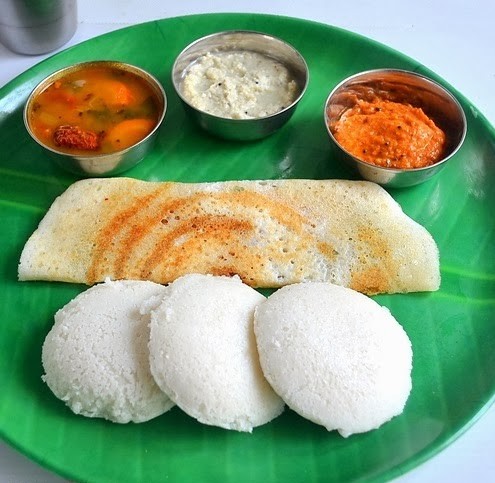
Overview
Dosa and idli are familiar, everyday foods, rarely linked to allergies or safety concerns. Yet packaged idli mixes and ready-to-use batters have raised questions. Some rice-based products labelled gluten-free contained traces of gluten, unsettling consumers who rely on accurate labelling.
Allergens and Cross-Contact
Batter is often prepared in bulk, shared, or bought locally. Cross-contact can occur through shared grinders, storage containers, or water. Commercial mills often process black gram alongside wheat. Home grinders may not be cleaned thoroughly. The batter looks normal, but allergens or microbes can spread unnoticed.
Fermentation Helps, But Isn’t a Fix-All
The process of Fermentation increases acidity, softens texture, and limits microbial growth, supporting safety. But it reflects earlier conditions—contamination from water, equipment, or cross-contact remains. The batter may smell and look fine while still carrying risks.
Soaking: A Critical Step
Soaking rice and black gram exposes grains to microbial growth. Warm water accelerates multiplication. Short soaking at room temperature reduces risk; longer soaking works better under refrigeration. Though flavour is unaffected, safety depends on careful handling.
Old Batter Adds Risk
Using leftover batter saves time but introduces uncertainty. It may contain unwanted bacteria or mould, and its microbial balance is unknown. For stored or shared batter, this practice increases food safety risks.
Storage Limits
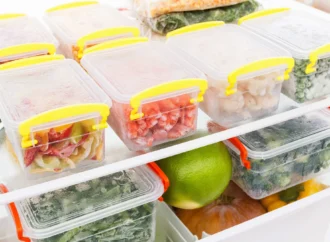
Fresh batter is best used within a day at room temperature. Refrigeration extends life to about a week, but acidity increases, texture weakens, and bacteria can multiply. The batter does not always show visible signs of spoilage.
Cooking: The Final Safety Barrier
Proper steaming and frying inactivate most pathogens. Rushing this step in busy kitchens can compromise safety, even when the food appears ready.
Street Food and High-Volume Kitchens
Vendors face tighter margins: large batches, repeated batter use, limited refrigeration, and variable water quality. Hygiene, timing, and handling are critical when food moves quickly from batter to plate.
Rethinking Familiar Foods
Dosa and idli rarely cause illness, which keeps risks in the background. But batter now travels farther and serves more people. Small lapses carry bigger consequences. Fermentation remains a strength only when care replaces assumption. The safety of dosa and idli still depends on how the batter is handled at every step.
Source: The Times of India