Food Manifest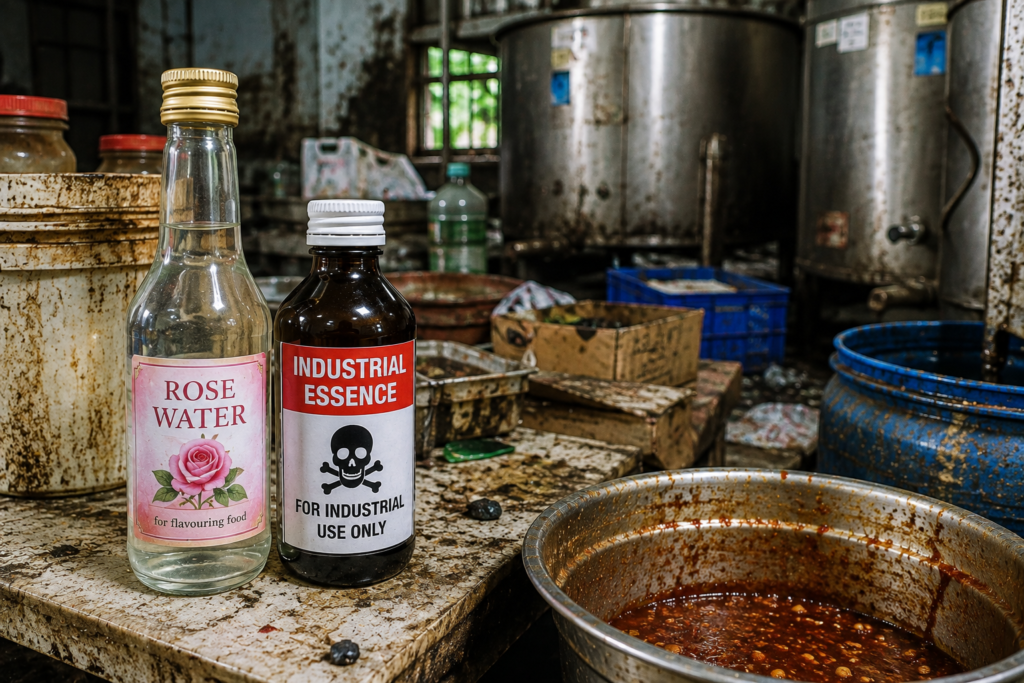
Key Update
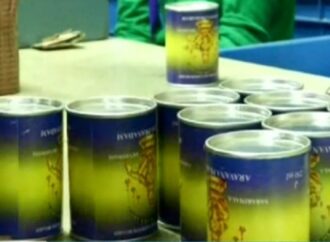
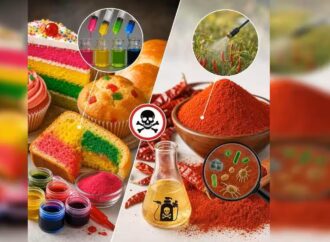
The Food Safety Department shut down Azad Foods Manufacturing Unit in Nallalam, Kozhikode, after inspectors uncovered multiple food safety violations during a surprise inspection. Inspectors found that the manufacturer mixed industrial-grade rose essence, commonly used to make soaps and incense sticks, into rose water used to flavour biryani and other food items. Although the product carried a “For Industrial Use Only” label, the manufacturer used it in food production.
Manufacturers formulate this essence exclusively for products such as detergents, perfumes, cosmetics, and incense sticks. Health experts warn that consuming it can pose serious health risks.
Inspection Exposes Serious Hygiene Violations
Inspectors uncovered several other violations during the inspection. They found workers preparing pickles, sauces, and rose water under extremely unhygienic conditions. They also discovered rodent droppings, cobwebs, broken glass, expired and dust-covered bottles, dusty cartons, and other waste materials throughout the processing area. The unit failed to maintain a proper waste management and scientific waste disposal system.
Inspectors further found storage tanks containing pickled mangoes and synthetic vinegar covered with dust, dirt, and rodent droppings. They also identified unclean packing and storage areas that increased the risk of food contamination during processing and packaging.
Under Schedule 4 of the Food Safety and Standards (Licensing and Registration of Food Businesses) Regulations, 2011, every food business must maintain hygienic premises, implement effective pest control, dispose of waste safely, prevent contamination during food processing and packaging, and store raw materials and finished products under sanitary conditions. After documenting these gross violations, the Food Safety Department ordered the immediate closure of the unit.
Health experts warned that consuming rose water adulterated with industrial chemicals can cause stomach discomfort, vomiting, and other gastrointestinal problems. Investigators also traced the unit’s products to several parts of the city, raising concerns that unsafe products may have reached consumers.
Authorities issued a notice to the establishment, collected product samples, and sent them for laboratory analysis to determine the full extent of the violations.
Food Safety Department Intensifies Onam Inspections
Experts explained that manufacturers produce genuine rose water through a labour-intensive distillation process, making it relatively expensive. They urged consumers to avoid low-priced rose water with an unusually strong fragrance, as it may be adulterated or counterfeit, and to purchase rose water only from trusted brands and retailers.
With the Onam festival approaching, the Food Safety Department has intensified inspections across the district to prevent the sale of unsafe food products and protect public health. Officials reminded food business operators that ensuring food safety is not optional—it is a legal responsibility. Every operator must ensure that the food reaching consumers is safe, hygienic, and fully compliant with food safety regulations.
Source: Mathrubhumi