Food Manifest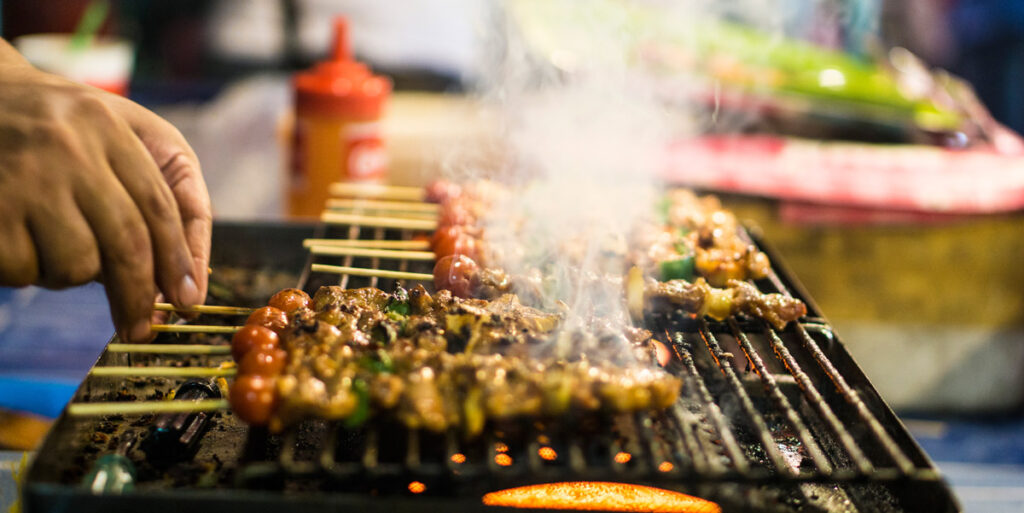
Key Development
From pani puri and momos to chaat and kebabs, street food is a guilty pleasure many of us happily give in to. The flavours feel irresistible, and the experience feels authentic. But when vendors ignore hygiene, these quick bites can expose you to serious health risks.
In a February 10 YouTube podcast with Ranveer Allahbadia, Dr Shubham Vatsya, Senior Consultant in Gastroenterology at Fortis Hospital, Vasant Kunj, explained how poor food handling practices directly affect gut health.
How Contamination Happens
During the discussion, Ranveer highlighted a simple yet alarming scenario. If a pani puri vendor uses the toilet and fails to wash their hands properly, traces of faecal matter can remain under the nails. When the vendor dips puris into flavoured water, the contamination spreads to the entire container. Every serving then carries that risk straight into the consumer’s stomach.
Dr Vatsya warned that such exposure can cause food- and water-borne infections like Hepatitis A and Hepatitis E. These viruses spread through contaminated food and drinks. In vulnerable individuals, they can even lead to acute liver failure.
Why Street Food Becomes Risky
Street food turns unsafe when vendors use untreated water, store ingredients at unsafe temperatures, or handle food without proper sanitation. Open-air environments, flies, repeated reheating, and cross-contamination between raw and cooked items further increase bacterial growth.
Dr Rekha Sharma, consultant physician at Ruby Hall Clinic, too notes that popular favourites such as pani puri, vada pav, samosa, kebabs, and chaat can harbour harmful bacteria if vendors compromise hygiene. Pathogens like E. coli and Salmonella thrive in such conditions and can trigger severe gastrointestinal infections.
How to Reduce Your Risk
You do not have to avoid street food entirely, but you must make informed choices. Dr Tamorish Kole, Director of Emergency Medicine at DPU Super Speciality Hospital, advised consumers to observe hygiene before ordering. Choose vendors who use clean water, handle food with care, and cook meat thoroughly. Wash your hands before eating, and avoid visibly exposed or stale items. He also emphasised that vendors must maintain sanitation, prevent cross-contamination, and avoid selling pre-cut fruits or poorly stored ingredients.
Street food reflects India’s vibrant culinary culture, but safety must remain a priority. When consumers stay alert and vendors follow basic hygiene practices, the risk of foodborne illness drops significantly. Awareness—not fear—remains the key to enjoying your favourite treats without harming your health.
Source: Hindustan Times