Food Manifest
What Is World Food Day?
Food plays a vital role in human health, livelihoods, and economic development, yet millions of people worldwide continue to face hunger and malnutrition. World Food Day, observed annually on October 16, draws attention to these challenges and encourages collective action to address them. Led by the Food and Agriculture Organization of the United Nations (FAO), the observance highlights the importance of accessible, safe, and nutritious nutrition. It also encourages governments, businesses, communities, and individuals to examine how they produce, distribute, and consume food and how their choices can help build a more sustainable food system.
Who Established World Food Day?

The Food and Agriculture Organization of the United Nations (FAO) established World Food Day to mobilise global attention and action against hunger.
Founded in 1945, FAO works with governments and other partners to improve nutrition, strengthen food security and promote sustainable agriculture. At its 20th Conference in November 1979, FAO approved the proposal to establish World Food Day. The first observance took place on October 16, 1981, creating an annual platform to address food-related challenges.
Why Is World Food Day Celebrated on October 16?
October 16 marks the anniversary of FAO’s founding in 1945. Representatives from 42 countries gathered in Quebec City, Canada, to establish the organisation and strengthen international cooperation in agriculture and the fight against hunger. Choosing this date connects World Food Day with FAO’s founding mission and reinforces the need for continued international efforts to improve access to food and nutrition.
What Is the Theme of World Food Day 2026?
The 2026 theme, “Innovate today. Nourish tomorrow,” highlights the role of innovation in developing food systems that meet people’s needs while protecting natural resources for future generations. Innovation extends beyond advanced technology. It includes scientific research, improved farming methods, efficient storage and distribution, digital tools, and traditional agricultural knowledge.
For example, better storage facilities can reduce food losses, while digital traceability systems can help businesses track products through the supply chain. Improved testing technologies can also help identify hazards and protect consumers. The theme emphasises how today’s decisions and practical solutions can influence the availability, safety and sustainability of food in the future.
What Is the Aim of World Food Day?
World Food Day encourages governments, organisations, businesses and individuals to address food-related challenges. Its main objectives include:
- Addressing hunger: Raising awareness of the barriers that prevent people from accessing sufficient food.
- Improving nutrition: Promoting diverse diets and healthier food systems.
- Strengthening food security: Supporting reliable access to adequate, safe, and nutritious food.
- Promoting sustainable agriculture: Encouraging farming practices that conserve natural resources and support long-term production.
- Advancing food safety: Highlighting safe food production, processing, storage, transportation, and handling.
- Reducing food waste: Encouraging responsible consumption and more efficient use of food.
- Promoting cooperation: Bringing different sectors together to develop solutions to global food challenges.
These objectives align with the United Nations Sustainable Development Goals, particularly SDG 2: Zero Hunger, which aims to end hunger, improve nutrition and promote sustainable agriculture.
Who Celebrates World Food Day?
Although FAO leads the international campaign, World Food Day brings together participants from diverse sectors. Governments and public authorities organise awareness campaigns and initiatives addressing hunger and nutrition. International organisations support agricultural development and food security, while food businesses highlight responsible production, quality and safety.
Schools and universities engage students through educational activities, competitions and discussions. Non-governmental organisations support community food initiatives, while farmers, researchers and food safety professionals contribute through agricultural improvements, scientific research, testing and training. Individuals can also participate by learning about food-related challenges and making informed choices about purchasing, preparing, storing and consuming food.
Where Is World Food Day Celebrated?
World Food Day is observed worldwide, with FAO coordinating the international campaign and organisations arranging activities at national and local levels. FAO headquarters in Rome, Italy, hosts key events. Celebrations elsewhere may include conferences, agricultural exhibitions, school programmes, nutrition workshops and public awareness campaigns. Some initiatives concentrate on sustainable farming, food safety and reducing food waste.
In India, organisations can mark the occasion through educational programmes, food safety campaigns and initiatives promoting nutrition and responsible food practices. Activities vary according to local priorities and participating organisations. These events connect global food challenges with the needs and practices of individual communities.
Why Is Food Safety Important to World Food Day?
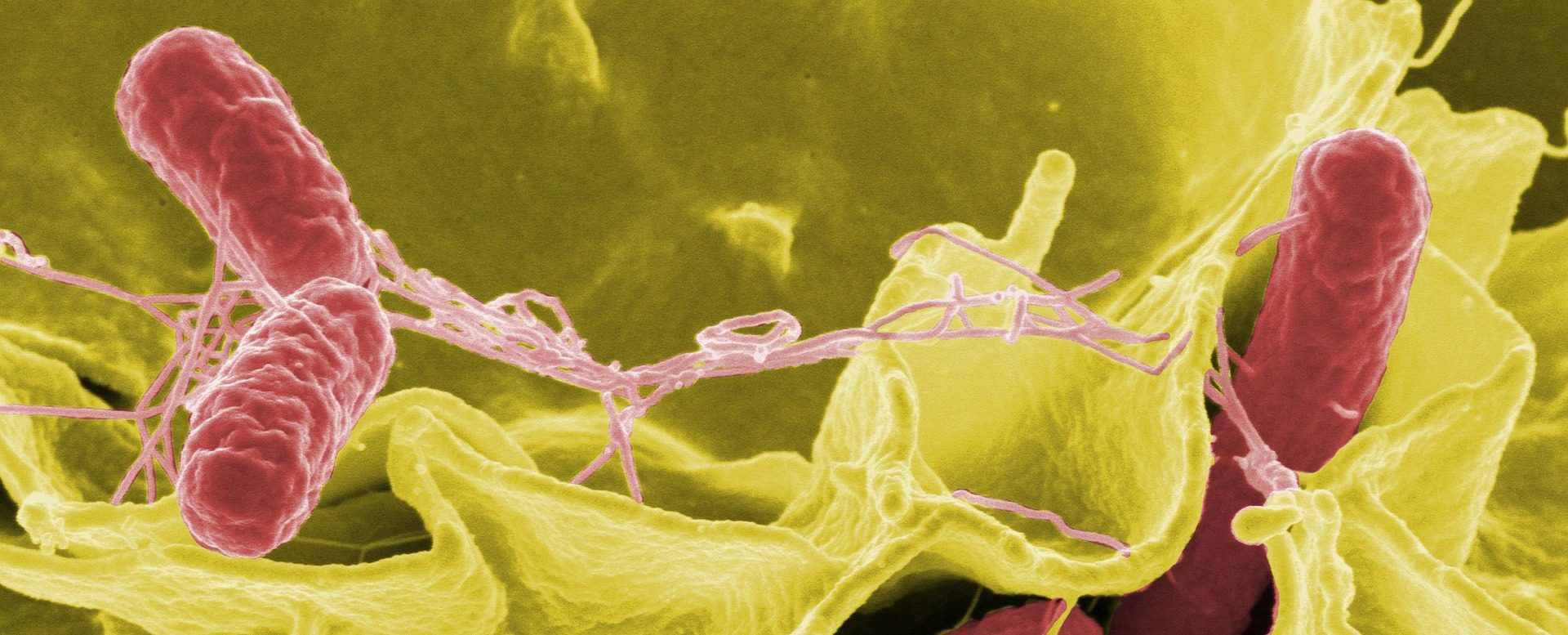
Producing enough food does not automatically guarantee food security. Food must also be safe to eat and suitable for consumption. Harmful microorganisms, chemical hazards and foreign materials can contaminate food and cause illness. Poor hygiene, improper storage, inadequate temperature control and cross-contamination can introduce risks at different stages of the supply chain.
Food businesses can reduce these risks by maintaining hygienic conditions, training employees and implementing effective food safety management systems. Regulators, laboratories and food safety professionals also help identify hazards, test products and support compliance. Consumers contribute by practising good hygiene, storing food correctly, preventing cross-contamination and following safe cooking practices. Innovation can strengthen these efforts. Improved testing technologies, digital monitoring and traceability systems can help businesses identify problems, track products and respond to food safety concerns more effectively.
How Can Individuals Contribute to a Better Food Future?
Individuals can support a more responsible food system through everyday choices. Practical steps include:
- Planning meals and buying only what they need to reduce food waste.
- Storing food correctly to maintain quality and prevent spoilage.
- Following safe food-handling practices at home.
- Choosing a varied diet that includes nutritious foods.
- Reading food labels and following storage instructions.
- Supporting responsible food producers where practical.
- Sharing reliable information about food safety, nutrition and sustainability.
Food businesses can also contribute by improving hygiene, strengthening quality control, reducing food losses and adopting appropriate technologies that enhance safety and traceability. Although individual actions cannot resolve every challenge, they complement wider efforts by governments, businesses and communities.
Conclusion
World Food Day highlights the shared responsibility to address hunger, improve nutrition and develop sustainable food systems. The 2026 theme, “Innovate today. Nourish tomorrow,” reinforces the importance of combining scientific progress, traditional knowledge and responsible practices to meet future food needs.
From improving agricultural methods to strengthening food safety and reducing waste, coordinated action across the food system can help protect public health and natural resources. Building a better food future requires not only innovation but also a commitment to ensuring that its benefits reach the people who need them most.