Food Manifest
Key Development
Infant formula, a staple for millions of babies worldwide, can carry hidden contamination risks. Recent global recalls have highlighted how invisible toxins and chemicals can enter formula at multiple stages.
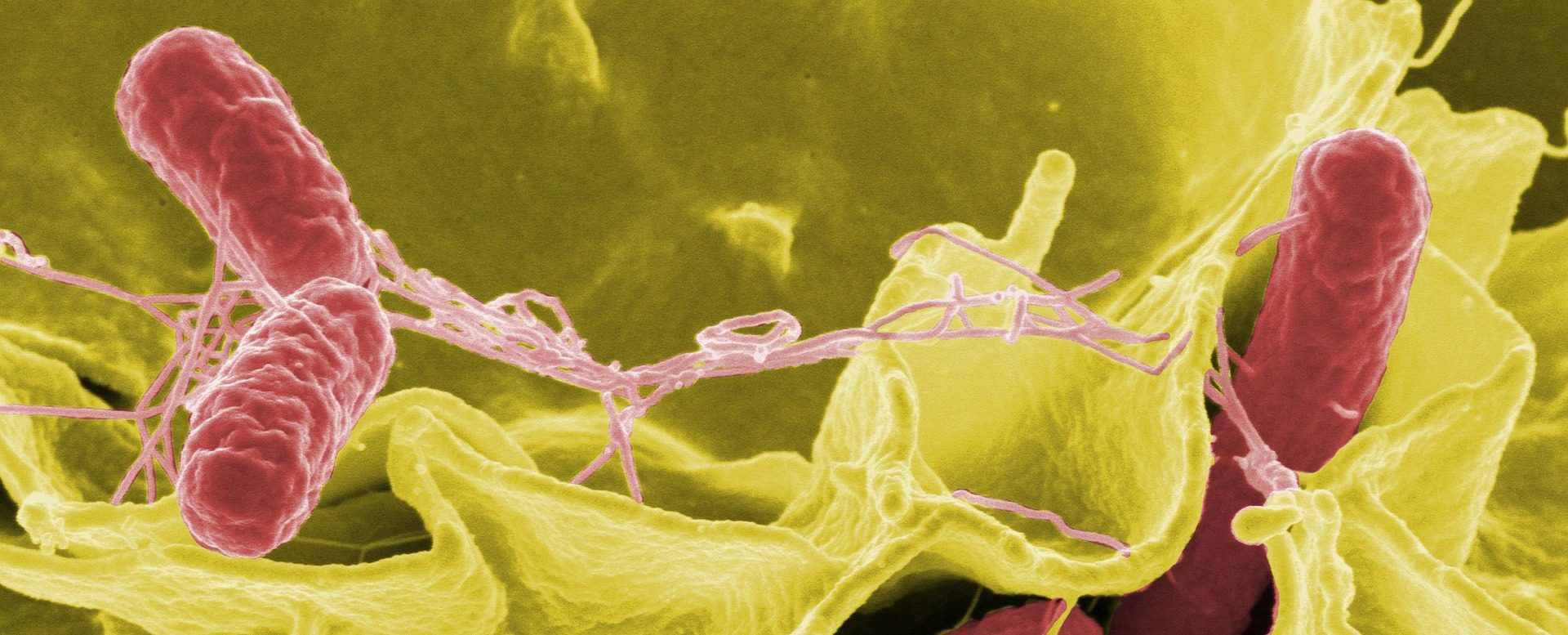
Infant formula can become contaminated at different points—from ingredients to processing to preparation at home. Raw materials like cereals, milk, or oils may carry bacteria from soil or the environment. If these microbes survive processing, they can affect product safety. Some bacteria, such as strains of Bacillus cereus, produce heat-stable toxins like cereulide. These toxins do not break down with boiling or reheating, so even well-cooked or re-warmed formula can remain unsafe.
Recent Nestlé recall
Recently, Nestlé issued a global recall of some baby-formula products after detecting a potential quality issue involving the toxin cereulide. The company clarified that the formula sold in India was not affected and that local products met FSSAI standards. However, the incident underscores how contaminants can enter baby formula through ingredients or supply chains.
Babies have still-developing digestive and immune systems. The first two years of life are critical for brain growth and organ development, so exposure to toxins during this time can affect long-term health, immunity, and cognitive development.
Breastfeeding remains the safest option whenever possible, as it minimises exposure to external contaminants. When formula feeding is necessary, parents should:
- Choose reputable brands
- Follow the preparation instructions carefully
- Use safe, clean water
- Stay alert to food-safety alerts and product recalls
Infant food safety depends on understanding how contamination can happen and taking informed precautions. When it comes to baby nutrition, even invisible risks matter.
Source: The Indian Express