Food Manifest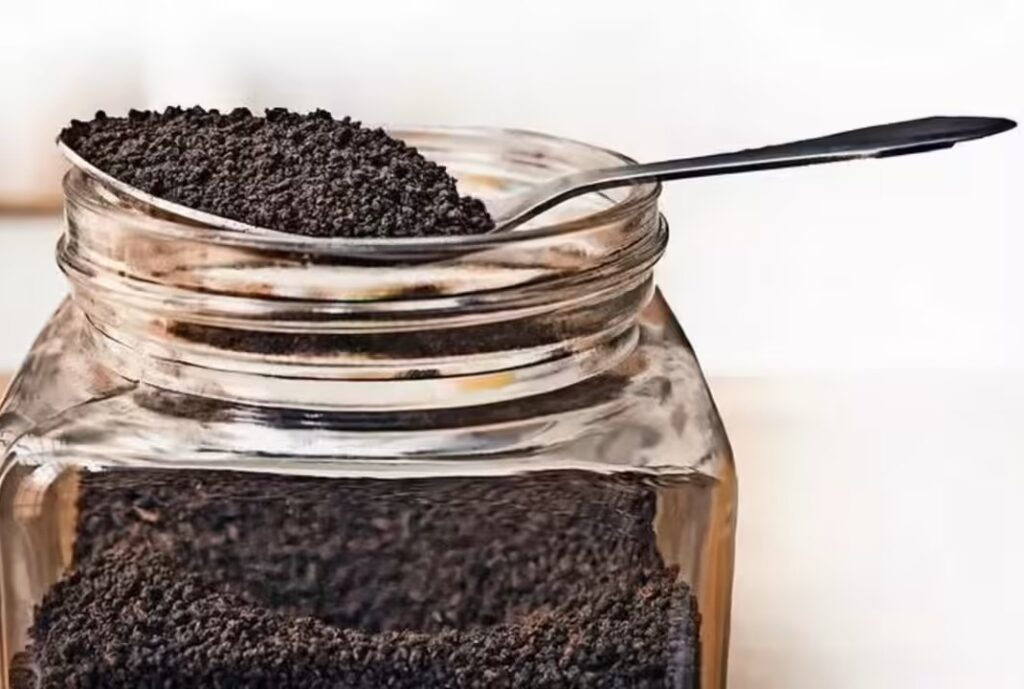
Key Update
In a city where a cup of chai is part of everyday life, a worrying trend has begun to surface. Rising cases of tea adulteration have started alarming consumers as fake and contaminated tea products increasingly enter the market.
Earlier, adulteration was mostly linked to loose, unbranded tea powders sold at roadside stalls. Now, the problem has spread to counterfeit packs of popular brands such as Red Label, Gemini and Taj Mahal. Unscrupulous sellers often offer these fake packets at unusually low prices, even though they contain adulterated tea powder.
Police Bust Adulteration Units
Over the past week, the Hyderabad City Police task force conducted raids in Sanathnagar, Afzalgunj and Goshamahal and uncovered several units manufacturing adulterated tea powder. During the raids, officials seized nearly 10,000 packets of counterfeit tea powder. Investigators found that the operators sourced packaging materials and low-quality raw ingredients from dealers in Gujarat at discounted rates. They then packed the adulterated tea powder in counterfeit branded packaging and distributed it to retail and wholesale markets.
Much of this supply reportedly moved through busy trade hubs such as Begum Bazaar and Afzalgunj—markets where many households regularly purchase their monthly groceries.
How the Fake Tea Was Made
During the investigation, officials also uncovered the method used to manufacture the counterfeit tea powder. The accused mixed peat and coconut husk residue with hot jaggery water to create a tea-like texture. They then dried the mixture for two to three days. To make the product resemble genuine tea powder, the operators added synthetic food colours, including Sunset Yellow FCF and Tartrazine. These colouring agents blended with the jaggery-coated material, giving it the dark shade of real tea and making it difficult for consumers to detect adulteration at first glance.
Police said that in one of the units in Sanathnagar, the accused produced one kilogram of adulterated tea powder by mixing 450 grams of low-grade tea dust, 500 grams of poor-quality tea granules and about 50 grams of colour-treated cocopeat.
Authorities Urge Consumer Vigilance
The operators then supplied this adulterated tea powder to local tea stalls and dealers, who sold it while falsely claiming that it was genuine tea powder. Officials have urged consumers to remain cautious while purchasing packaged products. A task force officer advised citizens to check QR codes and other identification marks on packaging to verify authenticity. Authorities also recommended buying tea powder only from authorised sellers and reporting suspected cases of food adulteration to the concerned authorities.
Source: The Times of India