Food Manifest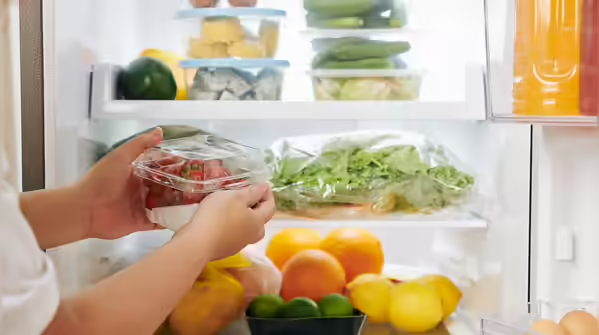
The fridge has become the default storage space for fruits in most homes. It feels safe, clean, and convenient. However, this habit is not always the best choice. While some fruits benefit from cold storage, others lose their natural taste, texture, and even nutritional quality over time. So the real question is—does refrigeration truly preserve fruits, or can it gradually affect their quality? The answer depends on the type of fruit, its ripeness, and the duration of storage.
Food safety authorities like the Food Safety and Standards Authority of India (FSSAI) emphasise that storage conditions directly influence freshness, spoilage, and nutrient retention. This makes storage decisions important rather than routine. Refrigeration does offer one clear advantage—it slows down bacterial growth. Because of this, fruits like apples, grapes, berries, and citrus fruits stay fresh longer, remain crisp, and resist spoilage when stored in the fridge.
When Cold Storage Helps — When It Doesn’t
Despite its benefits, refrigeration does not suit all fruits. Tropical fruits such as bananas, mangoes, papayas, and pineapples react poorly to low temperatures. Cold conditions interfere with their natural ripening process, leading to dull flavour and uneven texture. For example, a banana stored in the fridge may still look fine on the outside but turn soft and mushy inside. This happens because cold temperatures disrupt internal ripening processes. A simple rule helps here: fruits that naturally grow in warm or tropical climates usually perform better at room temperature.
How Ripening Works: The Role of Ethylene
Fruits continue to ripen even after harvesting due to a natural plant hormone called ethylene. Some fruits, such as apples and bananas, produce higher levels of this gas, while others respond strongly to it. Refrigeration slows down ethylene activity. While this can help preserve already ripe fruits, it can also interfere with the ripening process if applied too early. If you refrigerate an unripe fruit, it may get “stuck” in that stage and never develop its full flavour or sweetness.
Because of this, experts recommend allowing fruits to ripen at room temperature first. Once they reach the desired ripeness, refrigeration can help extend their shelf life for a few more days.
Room Temperature Still Matters
A fruit bowl on the kitchen counter is not just for display—it often serves a practical purpose. It allows fruits to ripen naturally and evenly. You should keep fruits like bananas, mangoes, papayas, pears, and peaches at room temperature until they ripen. Once ripe, you can refrigerate them if needed, but avoid keeping them in the fridge for too long, as prolonged storage may still affect quality.
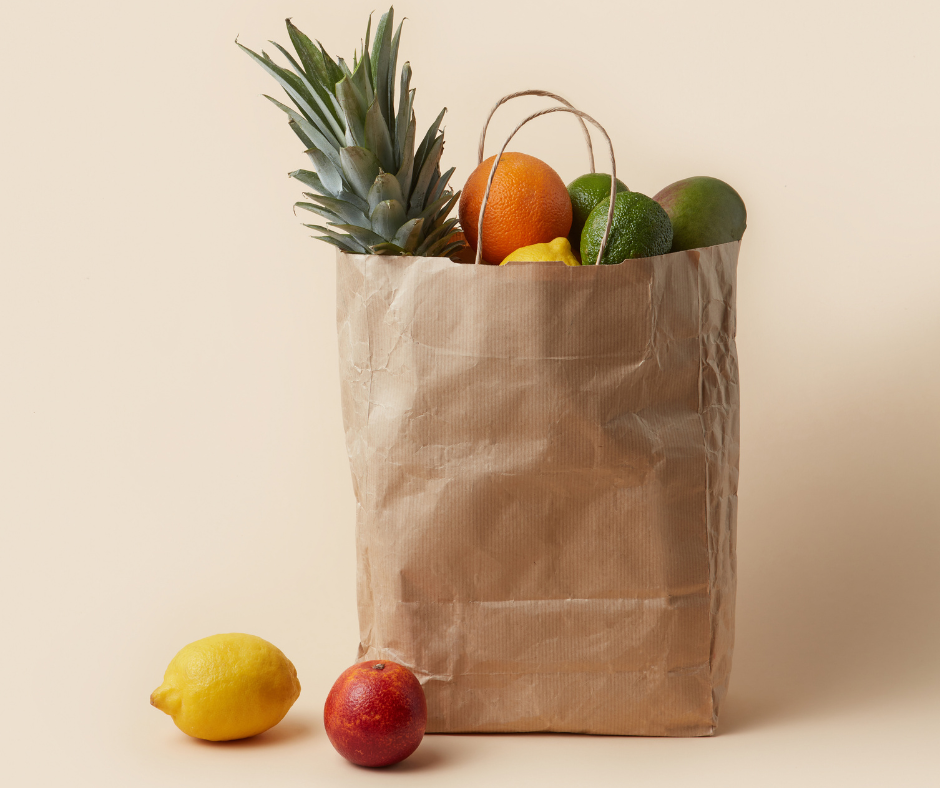
Storage method also plays a role. When you store fruits in sealed plastic bags at room temperature, they trap moisture and speed up decay. Instead, you should use breathable baskets or paper bags to allow airflow and slow down spoilage.
Smart Fruit Storage Habits
A few simple practices can significantly improve freshness and reduce waste:
- Wash fruits only before eating, not before storing, to prevent moisture-related spoilage
- Keep fruits dry and well-ventilated
- Separate ethylene-producing fruits like apples from other fruits to avoid premature ripening
- Use the crisper drawer in the fridge, as it helps maintain better humidity control
- Store cut fruits in covered containers inside the fridge for safety
FSSAI also recommends maintaining refrigerator temperatures below 5°C to slow microbial growth and ensure food safety. However, refrigeration does not completely stop nutrient loss. Over time, especially during extended storage, sensitive nutrients like vitamin C can gradually reduce.
Freshness Over Storage: The Real Priority
While refrigeration helps extend shelf life, it cannot fully preserve nutritional quality over long periods. Fresh fruits always offer better taste and higher nutritional value, especially when consumed soon after ripening. Ultimately, fruit storage is not just about choosing between the fridge and the counter. It is about understanding timing, ripeness, and the natural behaviour of each fruit. When you align storage with these factors, you preserve both quality and nutrition far better.
Source: The Times of India