Food Manifest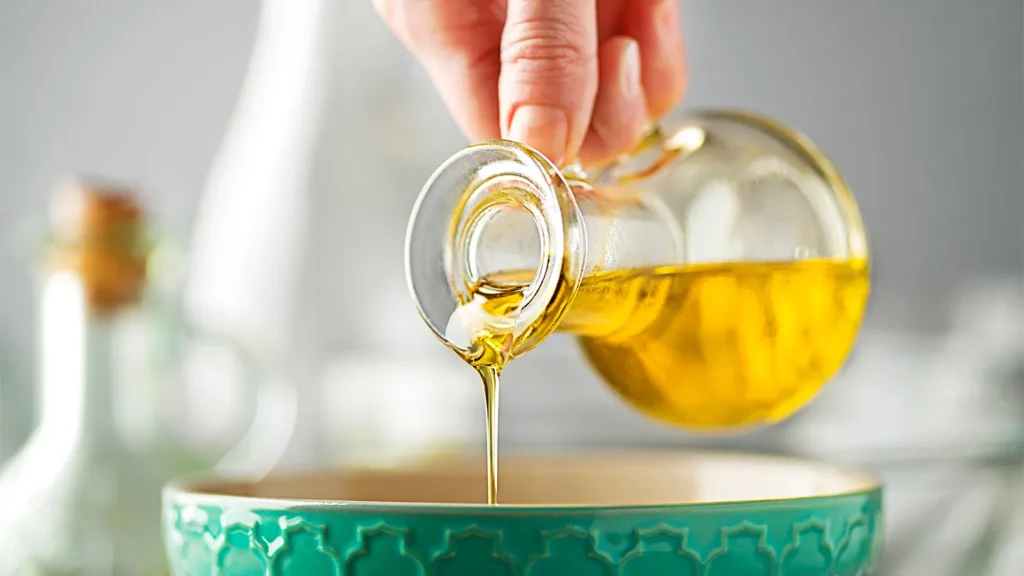
Food adulteration incidents often bring unfamiliar ingredients into public discussion. One such compound that has recently drawn attention is monoglycerides. Although the food industry uses these substances legitimately in food processing, their mention in adulteration investigations has raised questions about their safety and role in food products. In India, where ingredients such as ghee form an essential part of everyday cooking, consumers often worry about purity and adulteration. The rising demand for dairy products has also increased the risk of substitution with cheaper ingredients. Understanding what monoglycerides are and how manufacturers use them can help consumers distinguish genuine food safety concerns from misconceptions.
What Are Monoglycerides?
The food industry widely uses monoglycerides, which are fatty acid–based compounds, as emulsifiers. Emulsifiers help blend ingredients that normally do not mix well, such as oil and water. By performing this function, monoglycerides improve texture, stability, and shelf life in many food products.
Manufacturers produce monoglycerides from different sources. They may derive them from vegetable oils such as soybean or palm oil, or from animal fats. Some specialised forms are also produced from marine algae. These compounds usually appear as oily or waxy substances, ranging in colour from light yellow to ivory, and they generally have little or no taste. Because of these useful properties, food manufacturers add monoglycerides to many processed foods. They help maintain consistency in products that require stable mixtures of fat and water.
Link to the Tirupati Laddu Investigation
The investigation into the alleged adulteration of the famous Tirupati Laddu served at the Tirumala Temple recently brought monoglycerides into public discussion. Investigators reported that contractors had supplied ghee used in preparing the laddu that was not pure. Instead, the product allegedly contained a mixture of palm oil, palm kernel oil, monoglycerides, beta-carotene, acetic acid ester, and lactic acid.
Officials said manufacturers may add monoglycerides to such mixtures to imitate the texture and stability of genuine ghee. When combined with colouring agents and other additives, these ingredients can make the mixture resemble pure ghee in both appearance and consistency. These cases show how substances with legitimate roles in food processing can also be misused when unscrupulous suppliers try to cut costs or increase profit margins.
Common Uses in Food Processing
Despite the recent controversy, the global food industry widely accepts and uses monoglycerides as food additives. Distilled monoglycerides, also known as glycerol monostearate, act as highly purified emulsifiers that perform several useful functions in food processing.
Manufacturers use them to stabilise emulsions, improve texture, and slow the staling of baked goods. These properties make them particularly valuable in bakery products, which represent one of the largest application areas for monoglycerides.
Food manufacturers commonly add them to products such as bread, cakes, biscuits, pasta, ice cream, chocolates, and candies. In ice cream, monoglycerides create a smoother and creamier mouthfeel. In confectionery products, they reduce stickiness, prevent oil and water from separating, and improve the product’s appearance and gloss.
The food industry also uses specialised emulsifier blends such as distilled mono-diglycerides derived from edible oils. These ingredients stabilise emulsions in low-fat spreads, improve aeration in cake batters, and ensure even fat distribution in biscuits, resulting in better crispness and textur
Health and Dietary Considerations
In regulated quantities, monoglycerides are generally considered safe for consumption. However, they may contain small amounts of trans fats. When people frequently consume processed foods containing such additives, their overall diet may include higher levels of unhealthy fats, which can contribute to heart and circulatory problems.
Researchers also note that limited long-term research exists on the health effects of consuming large amounts of monoglycerides. Like other dietary fats, excessive intake through heavily processed foods may contribute to broader metabolic risks. Another aspect that some consumers consider is the source of these ingredients. Since manufacturers can derive monoglycerides from either plant oils or animal fats, they are not automatically vegetarian or vegan. Products made from vegetable oils may suit plant-based diets, while those produced from animal fats may not.
Conclusion: Why Awareness Matters
From a food safety perspective, the main concern is not monoglycerides themselves but how manufacturers use them in food products. In regulated quantities, these emulsifiers perform legitimate functions in food processing and improve texture, stability, and shelf life. However, adulteration cases show that some suppliers misuse such ingredients to imitate higher-value products or mask inferior ingredients.
As processed foods become more common in modern diets, consumers may unknowingly consume multiple additives, hidden fats, and highly refined ingredients. This trend makes it important for people to understand what goes into everyday food products and how certain additives function.
Consumers can reduce risks by reading labels carefully, purchasing products from reliable sources, and staying informed about commonly used food additives such as monoglycerides. Greater awareness helps people make safer dietary choices and encourages transparency and accountability within the food industry.
Source: Mathrubhumi