Food Manifest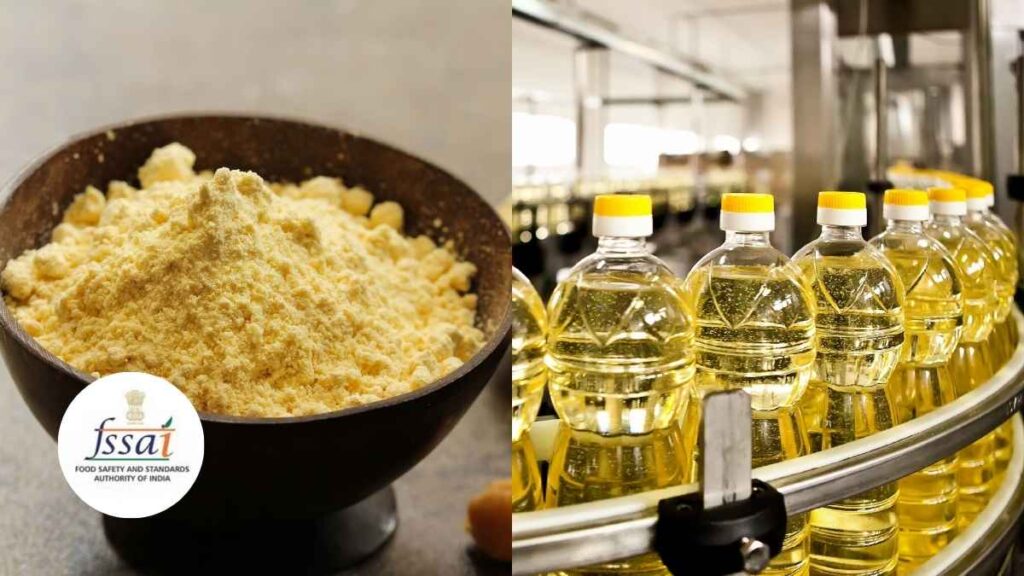
Key Update
India’s food regulator has tightened safety standards for several commonly consumed foods amid rising concerns over contamination, adulteration and chemical residues. The Food Safety and Standards Authority of India (FSSAI) has issued revised and draft regulations covering heavy metals, toxins, antibiotic residues and quality standards for products ranging from besan and edible oils to seafood and speciality seed oils.
New Limits for Lead, Cadmium and Toxins
Under revised regulations that will come into effect from December 1, 2026, FSSAI has expanded contamination standards for lead and cadmium to include pulse flours such as besan and packaged mixes, in addition to pulses. The regulator has also updated limits for aflatoxins in oils, oilseeds and ready-to-eat oilseed products.
Aflatoxins are toxic substances produced by certain fungi and may pose serious health risks when consumed over long periods. FSSAI has additionally revised testing norms for arsenic in fish oils and updated standards for saffrole, a naturally occurring substance found in foods and beverages containing nutmeg and mace.
Antibiotic Residue Limits Introduced for Seafood
FSSAI has introduced residue limits for antibiotics such as trimethoprim and oxolinic acid in seafood products, including shrimps, prawns and fishery products, amid increasing concern over antimicrobial residues entering the food chain. AIIMS Delhi dietician Monita Gehlot said stricter contamination standards were necessary because long-term exposure to heavy metals such as lead, arsenic and cadmium could increase the risk of kidney damage, neurological disorders and cancer.
She added that expanding monitoring to pulse flours was significant as products like besan are widely used in packaged snacks, ready-to-cook foods and household cooking. Gehlot also warned that prolonged exposure to antibiotic residues in seafood may contribute to antimicrobial resistance, allergies and reduced effectiveness of life-saving medicines.
Draft Rules Proposed for Speciality Seed Oils
In a separate draft notification, FSSAI has proposed quality and safety standards for edible oils made from chilli, tomato, muskmelon and okra seeds as demand rises for cold-pressed oils, seed-based snacks and plant-based nutrition products. The proposed norms require these oils to remain free from adulteration, harmful impurities, rancidity and mineral oil contamination. The draft rules also prescribe limits for moisture, acidity and metal content.
Experts said the popularity of speciality seed oils has increased rapidly in urban India, raising concerns over adulteration, misleading labelling and inconsistent nutritional quality.
Standards Also Proposed for Edible Seeds
The draft regulations also cover edible seeds such as watermelon, cucumber, pumpkin, sunflower, sesame and flaxseed sold in raw, roasted or salted forms. FSSAI has proposed that these products must remain clean and free from insects, fungus and visible contamination before sale. The food regulator has invited public comments on the draft regulations for 60 days before finalising the rules.
Source: The Times of India