Food Manifest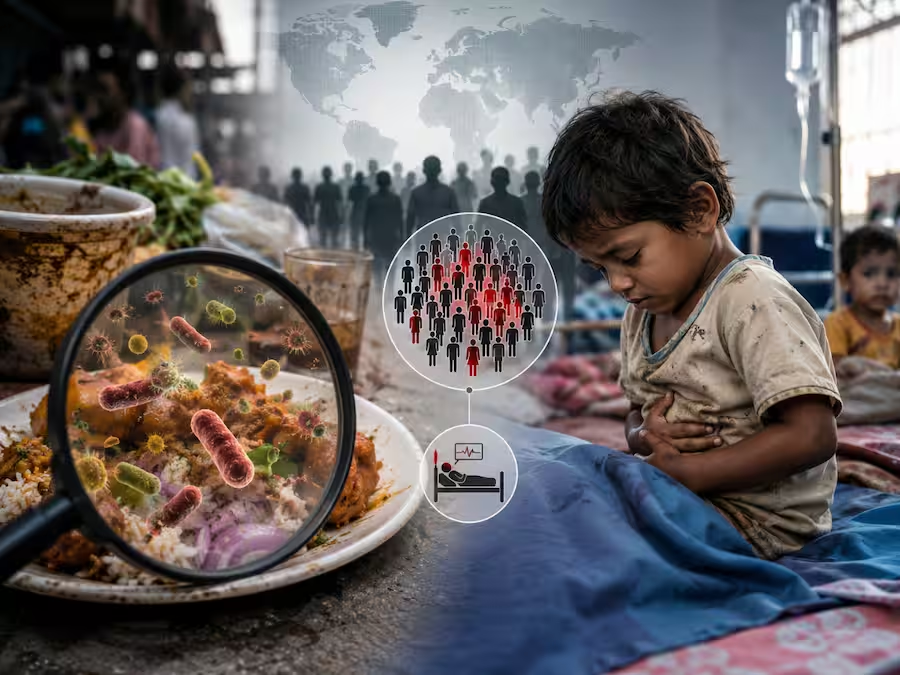
Key Update
Children under the age of five are nearly three times more likely to fall ill from unsafe food than older children and adults, according to new estimates released by the World Health Organisation (WHO). Although they account for only 9% of the global population, young children suffer nearly one-third of all foodborne disease cases worldwide. The findings highlight the disproportionate impact of foodborne illnesses on vulnerable populations, particularly children in low-resource communities.
Unsafe Food Causes 1.5 Million Deaths Annually
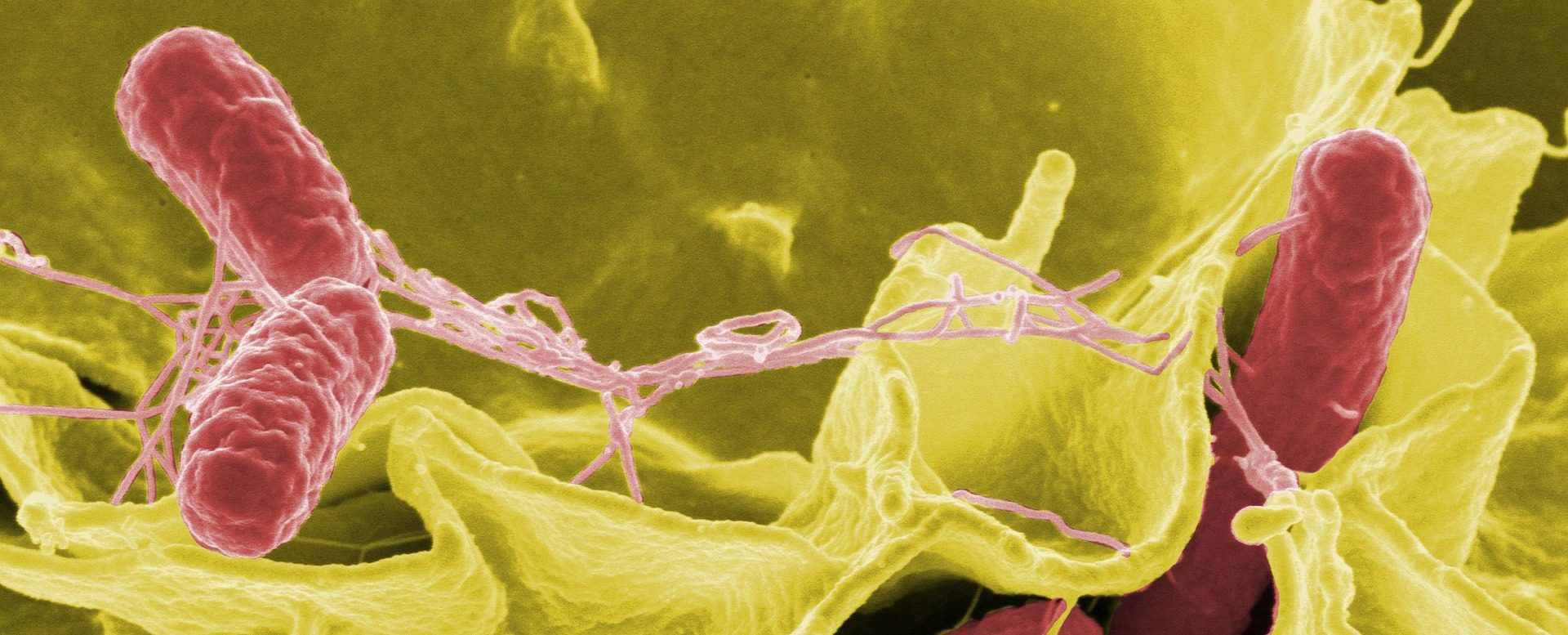
WHO estimates that contaminated food causes around 866 million illnesses and 1.5 million deaths every year. Biological hazards such as bacteria, viruses, and parasites account for the majority of illnesses, while chemical contaminants contribute to most foodborne deaths. The report identifies inorganic arsenic, lead, and methylmercury among the most concerning chemical hazards. These contaminants can increase the risk of cardiovascular disease, cancer, and developmental disorders, especially in children whose brains and nervous systems are still developing.
Many Cases Are Preventable
WHO states that many foodborne illnesses and deaths can be prevented through improved water, sanitation, and hygiene, safer food-processing practices such as pasteurisation, and better access to healthcare for vulnerable populations. The organisation has urged governments to prevent food contamination at its source by promoting safer agricultural practices, enforcing stricter industrial controls, and strengthening environmental regulations.
Africa and South-East Asia Bear the Greatest Burden
Despite a decline in the overall global burden since 2000, major regional inequalities persist. Africa and South-East Asia continue to record the highest number of foodborne illnesses and deaths, with children and low-income communities facing the greatest risks. Beyond its impact on public health, unsafe food also affects economies. WHO estimates that foodborne diseases resulted in approximately US$310 billion in lost productivity in 2021 due to illness-related absences from work.
A Call for Stronger Food Safety Action
“Food safety is not an abstract issue—it touches every meal, every family, every day,” said WHO Director-General Dr Tedros Adhanom Ghebreyesus. He noted that the new estimates provide countries with valuable data to identify areas of highest burden and prioritise interventions that protect public health. Released ahead of World Food Safety Day 2026, the report reinforces the need for stronger food safety systems, improved surveillance, and coordinated action across health, agriculture, and environmental sectors to ensure safe food for everyone.
Source: WHO News