Food Manifest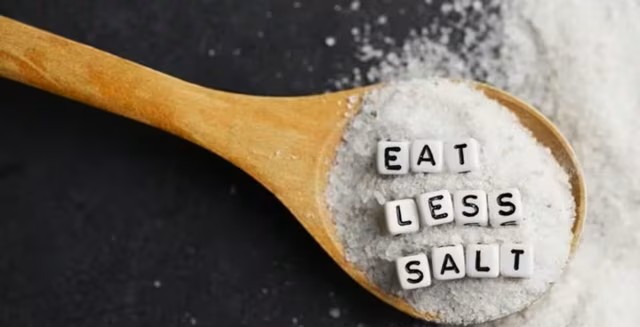
Key Update
The World Health Organisation (WHO) has launched updated global guidelines and a revamped “SHAKE the salt habit” package to help countries reduce excessive salt consumption, one of the leading dietary risk factors linked to heart disease, stroke, and premature deaths. The move comes as the WHO warns that the world remains off track to achieve its target of reducing sodium intake by 30% by 2030.
WHO Recommends Lower-Sodium Salt Alternatives
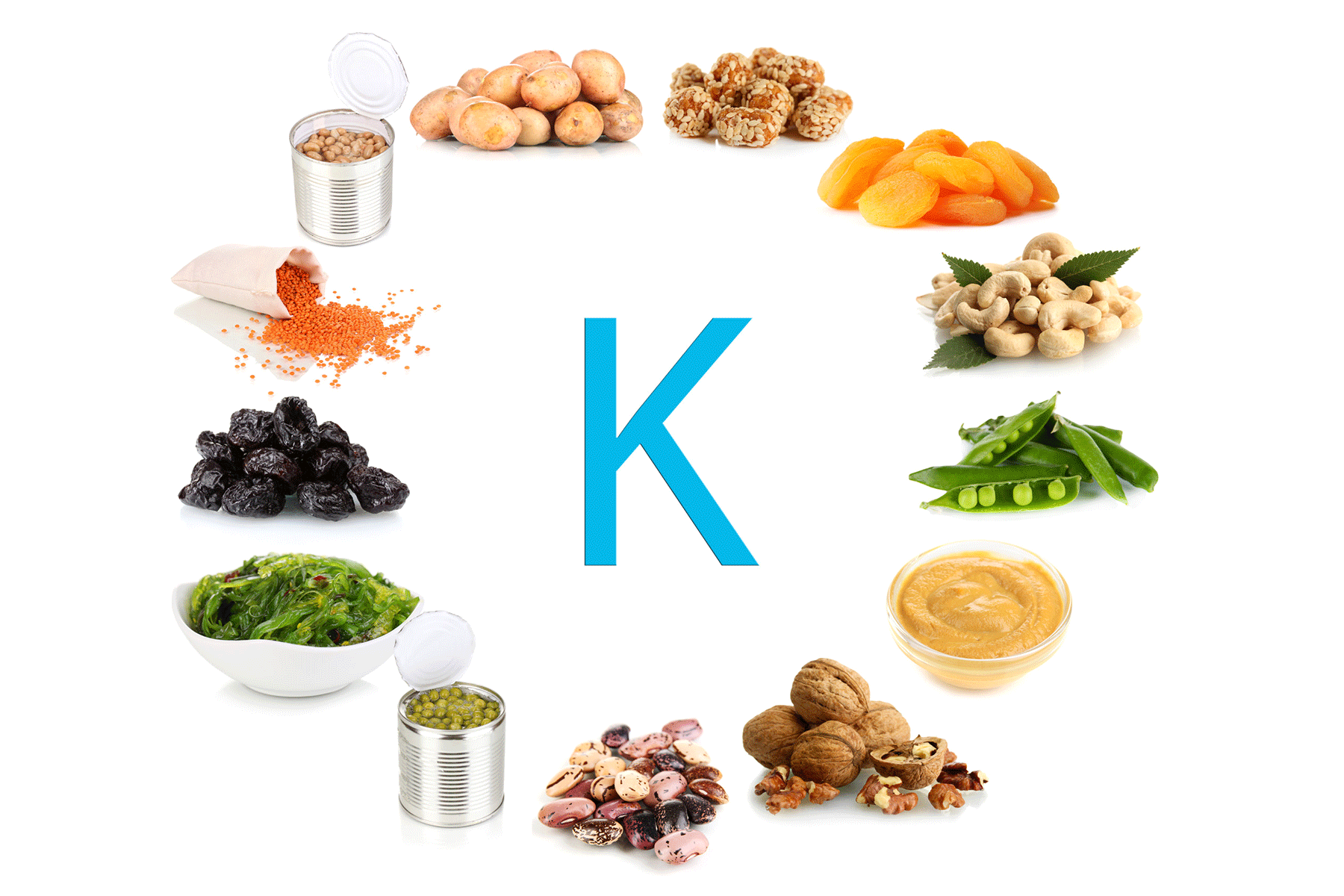
WHO advised people to reduce sodium intake to less than 2 grams per day, equivalent to about 5 grams of salt or one teaspoon daily. As part of its recommendations, the organisation encouraged the use of lower-sodium salt substitutes (LSSS) containing potassium instead of regular table salt.
According to the WHO, studies showed that adults who switched to lower-sodium salt substitutes experienced reductions in both systolic and diastolic blood pressure. The use of these substitutes was also associated with a lower risk of non-fatal stroke, acute coronary syndrome, and cardiovascular-related deaths. However, WHO clarified that the recommendation does not apply to people with kidney disease or conditions that affect potassium excretion, as well as children and pregnant women.
World Still Consuming Too Much Salt
WHO estimated that average global sodium intake remains more than double the recommended limit. Excess sodium consumption contributed to nearly 1.7 million deaths in 2023, making it one of the biggest preventable causes of cardiovascular disease worldwide. The organisation noted that processed, packaged, and street foods continue to expose people to excessive sodium levels, making it difficult for consumers to reduce their intake on their own.
WHO Launches Updated “SHAKE” Package
To address the growing public health concern, the WHO released the second edition of its “SHAKE the salt habit” technical package during Salt Awareness Week 2026.
The updated package provides governments with practical tools and policy guidance to reduce sodium intake through measures such as:
- Reformulating packaged foods to lower sodium content
- Front-of-pack nutrition labelling
- Restricting marketing of unhealthy foods to children
- Limiting high-sodium foods in public institutions
- Taxing unhealthy foods
- Running public awareness campaigns
- Promoting lower-sodium salt substitutes
WHO also emphasised that governments should take the lead in sodium reduction efforts and avoid allowing the food industry to shape public health policies.
WHO Calls for Stronger Government Action
WHO officials stressed that reducing salt intake remains one of the most cost-effective public health interventions globally. The organisation estimated that effective sodium reduction policies could help save millions of lives by 2030 by lowering the burden of hypertension and cardiovascular diseases worldwide.
Source: Hindustan Times