Food Manifest
Every day, we make countless choices about the food we eat. We buy groceries, cook meals, dine at restaurants, and order food online—often without thinking about safety. Yet, food safety is one of the most important factors that determines our health and well-being.
Safe and nutritious food is essential for life. When food becomes contaminated with harmful bacteria, viruses, parasites, chemicals, or toxins, it can cause illness and even death. According to the World Health Organisation (WHO), nearly one in nine people worldwide falls ill every year after consuming contaminated food. This makes food safety a major global public health concern.
The Global Burden of Unsafe Food
The impact of unsafe food is far greater than many people realise. WHO estimates that around 866 million people fall ill and 1.52 million people die every year due to foodborne diseases. Children under five years of age carry a disproportionate burden of these illnesses, with hundreds of thousands of deaths reported annually.
Unsafe food also places a heavy economic burden on societies. It leads to increased healthcare costs, loss of productivity, missed workdays, and reduced economic output. Globally, foodborne diseases result in billions of dollars in losses each year, affecting individuals, businesses, and entire economies. This shows that food safety is not just a health issue—it is also a development and economic issue.
What Is Food Safety?
Food safety refers to the practices and conditions that prevent food from becoming contaminated and causing harm to consumers. It covers every stage of the food chain—from farming, processing, and transportation to storage, preparation, and consumption.
Food safety is closely linked to nutrition and food security. Access to enough food is not sufficient; the food must also be safe to eat. Unsafe food can lead to illness, poor nutrient absorption, and long-term health issues, especially among children, pregnant women, and vulnerable populations. A safe food system, therefore, supports not only health, but also nutrition and overall food security.
Common Causes of Foodborne Diseases
Foodborne diseases occur when people consume contaminated food or beverages. More than 200 different diseases can be transmitted through unsafe food.
Bacterial Contamination
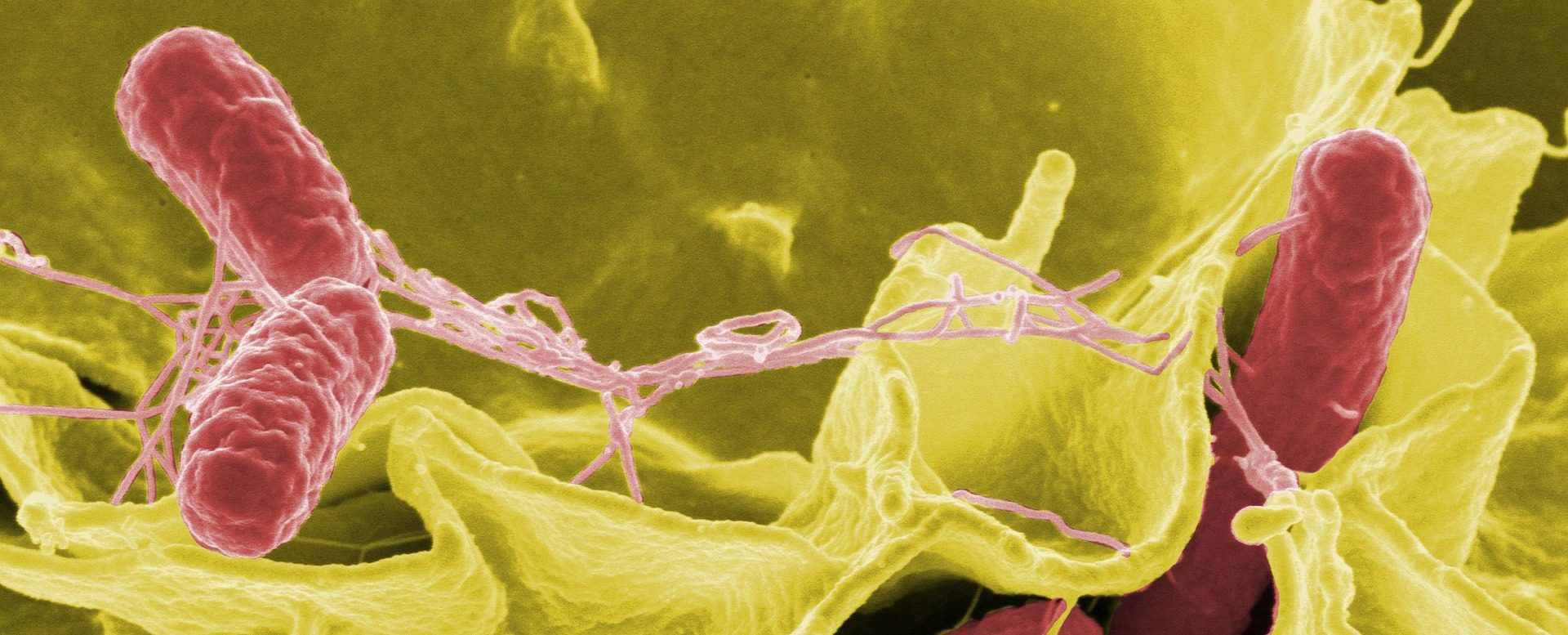
Bacteria are among the most common causes of foodborne illnesses. Organisms such as Salmonella, Campylobacter, Escherichia coli (E. coli), Listeria, and Shigella can cause symptoms like diarrhoea, vomiting, stomach pain, fever, and dehydration.
Raw or undercooked poultry, meat, eggs, unpasteurized milk, contaminated fruits and vegetables, and ready-to-eat foods are common sources of bacterial contamination.
Viral Infections
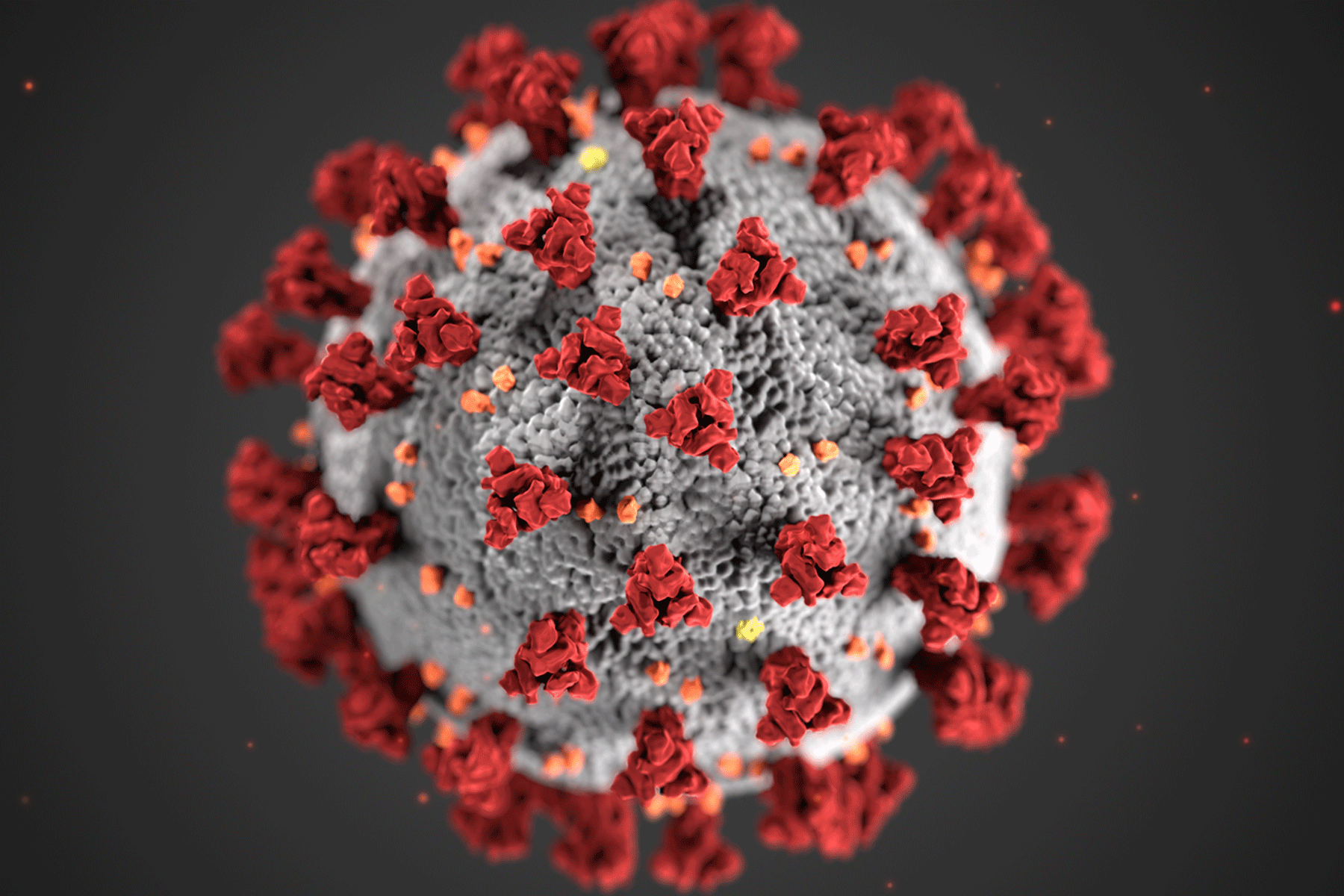
Viruses such as Norovirus and Hepatitis A can spread through contaminated food and water. Poor personal hygiene, unsafe food handling practices, and contaminated seafood are common causes of viral outbreaks.
Parasites
Parasites can enter the body through contaminated meat, fish, water, and fresh produce. Some parasitic infections may remain undetected for years before causing serious health issues. In severe cases, they can affect vital organs and lead to long-term complications.
Chemical Hazards in Food
Food contamination is not always caused by microorganisms. Chemicals can also pose serious health risks. Heavy metals such as arsenic, lead, mercury, and cadmium may enter food through polluted soil, water, industrial pollution, or improper food processing. Long-term exposure to these substances can increase the risk of cancer, kidney damage, heart disease, and developmental issues in children.
Food may also contain naturally occurring toxins. Moulds that grow on grains, nuts, and spices can produce mycotoxins, some of which are linked to liver cancer and impaired child growth. Other chemical hazards include pesticide residues, veterinary drug residues, allergens, and contaminants formed during food processing.
Who Is Most at Risk?
While anyone can develop a foodborne illness, certain groups are more vulnerable. Young children, especially those under five years of age, face higher risks due to their developing immune systems. Older adults, pregnant women, and individuals with weakened immunity are also more likely to experience severe complications.
Globally, children bear a significant share of the health burden caused by unsafe food, highlighting the need for stronger food safety practices in homes, schools, and food establishments.
The Economic Impact of Unsafe Food
Foodborne diseases affect more than health alone. They place a heavy burden on healthcare systems and economies. Costs related to medical treatment, productivity loss, and reduced business activity add up to significant global losses each year. Food safety incidents can also damage consumer confidence, disrupt trade, and harm the reputation of food businesses. For the food industry, maintaining food safety is not only a regulatory requirement but also essential for trust and sustainability.
Climate Change and Food Safety
Climate change is creating new challenges for food safety. Rising temperatures, changing rainfall patterns, floods, and extreme weather events can increase the spread of foodborne pathogens and contaminants. Warmer conditions allow bacteria to multiply more rapidly, while floods can contaminate crops and water supplies. These changes make strong food safety systems more important than ever across the entire food chain.
Everyone Has a Role to Play
Food safety is a shared responsibility involving governments, food producers, handlers, retailers, and consumers. Governments must develop strong food safety systems and regulations. Food businesses must follow hygiene standards, maintain proper storage, and conduct regular safety checks. Training food handlers is also essential. Consumers play an equally important role in preventing foodborne illnesses by following safe food practices.
WHO Five Keys to Safer Food:
- Keep clean
- Separate raw and cooked foods
- Cook thoroughly
- Keep food at safe temperatures
- Use safe water and raw materials
These simple steps significantly reduce the risk of foodborne disease.
Building a Safer Food Future
Food safety is more than preventing illness—it is about protecting lives, supporting livelihoods, and strengthening communities. As food systems become more complex and globalised, maintaining high food safety standards is increasingly important. By strengthening food safety practices across the entire food chain and raising awareness among consumers, we can reduce foodborne diseases and ensure safe, nutritious food for everyone. After all, safe food is the foundation of good health—and good health is the foundation of a better future.