Food Manifest
The US Centers for Disease Control and Prevention (CDC) is tracking a growing Cyclospora outbreak across 18 states, with Michigan reporting the highest increase in cases this summer. Between May 1 and June 16, health officials confirmed 145 domestically acquired cases of cyclosporiasis across 17 states, including 20 hospitalisations.
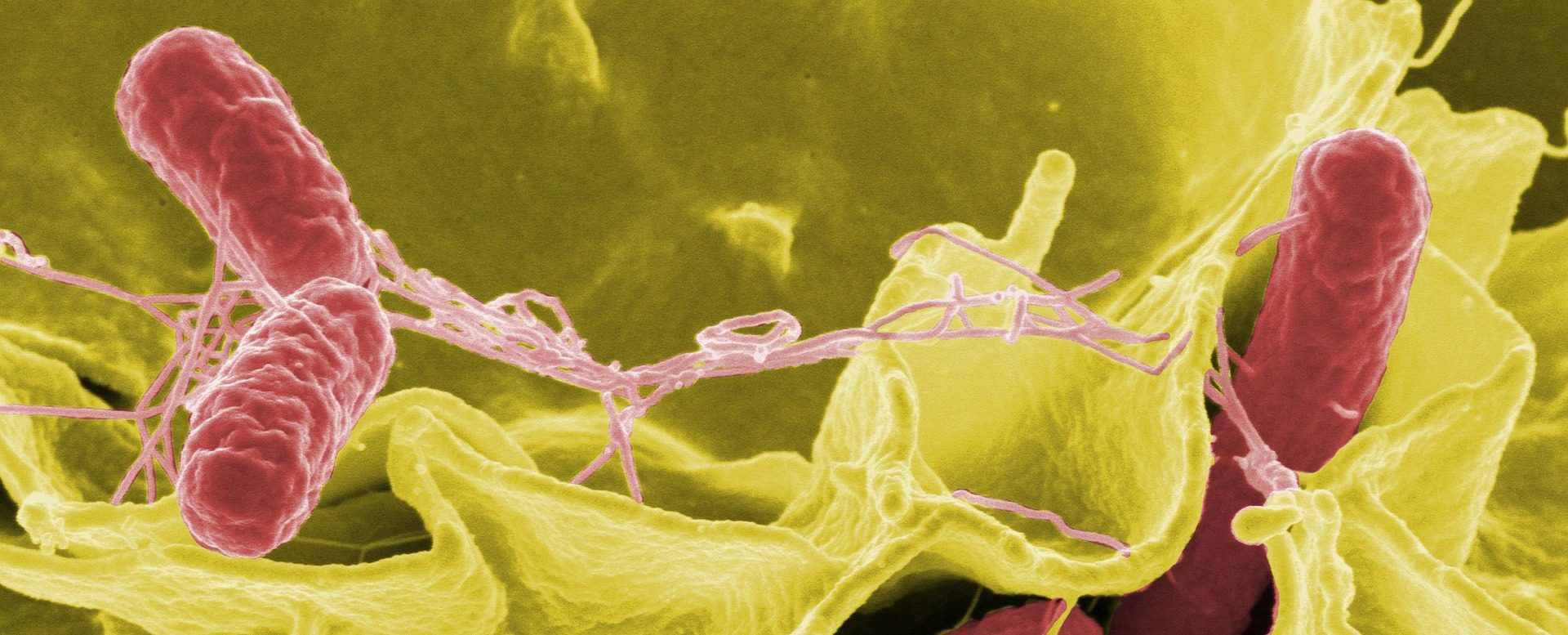
Cyclospora is a microscopic parasite that causes diarrhoea, stomach cramps, nausea, fatigue, and weakness. Routine stool tests do not usually detect the parasite. Doctors must specifically request a Cyclospora test, and patients may need to provide multiple stool samples collected over several days to confirm the infection.
According to Dr Devashish Desai, Consultant in Infectious Diseases at Ruby Hall Clinic, Pune, people usually become infected after consuming fresh produce or water contaminated with the parasite.
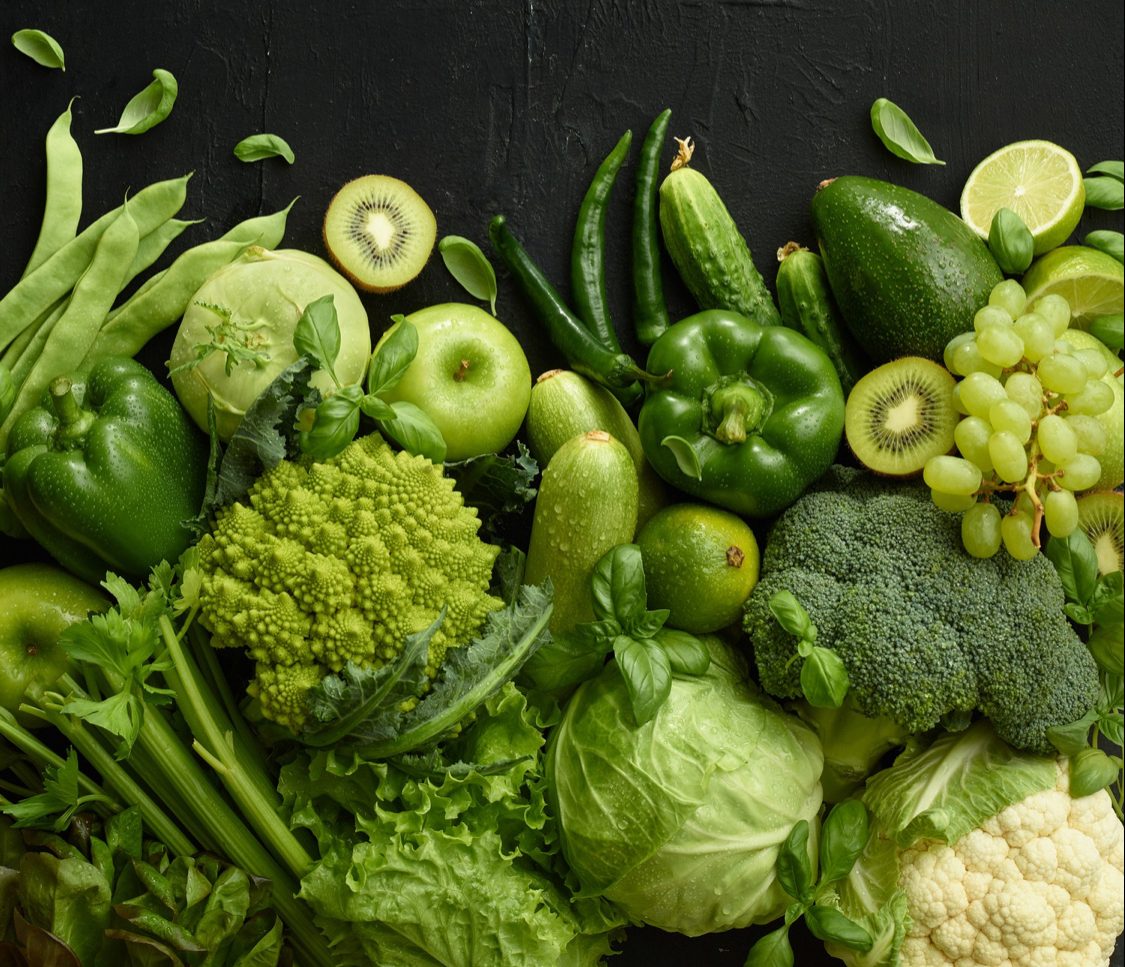
Previous outbreaks in the United States have been linked to cilantro, basil, raspberries, snow peas, and bagged salad mixes. Because people often eat these foods raw, contaminated products can easily spread the infection. The US Food and Drug Administration (FDA) also notes that washing fresh produce alone may not completely remove Cyclospora.
Could India Face Similar Risks During the Monsoon?
Dr Desai says the answer is yes. Heavy rainfall can contaminate drinking water and fresh produce, increasing the risk of Cyclospora and other food- and water-borne infections. Eating raw salads, herbs, or fruits washed with unsafe water can expose consumers to the parasite.
Unlike many common gastrointestinal infections, Cyclospora does not spread directly from person to person. Instead, the parasite must mature in the environment for one to two weeks before it becomes infectious. As a result, contaminated food and water—not close human contact—remain the primary sources of infection.
High-Risk Groups Should Seek Early Medical Care
Although many people recover with treatment, some groups face a higher risk of severe or prolonged illness. These include young children, older adults, pregnant women and individuals with weakened immune systems.
Dr Desai advises seeking medical attention if diarrhoea lasts for more than a few days, returns after initial improvement, or is accompanied by signs of dehydration. Cyclosporiasis requires specific medical treatment, and symptoms may not resolve completely without appropriate medication. He also notes that Cyclospora is not detected by routine stool tests, so healthcare providers must specifically request testing, and patients may need to provide stool samples over multiple days to confirm the diagnosis.
Simple Food Safety Measures Can Reduce the Risk
Dr Desai recommends following basic food safety practices, especially during the monsoon season. These include drinking safe, treated water, washing fruits and vegetables thoroughly, avoiding raw foods from unhygienic sources, and washing hands before preparing or eating food.
Although India has not reported a major Cyclospora outbreak similar to the one currently under investigation in the United States, the seasonal conditions that favour food- and water-borne diseases make preventive measures particularly important. Maintaining good hygiene and safe food handling practices remains the most effective way to reduce the risk of infection during the rainy season.
Source: The Times of India