Food Manifest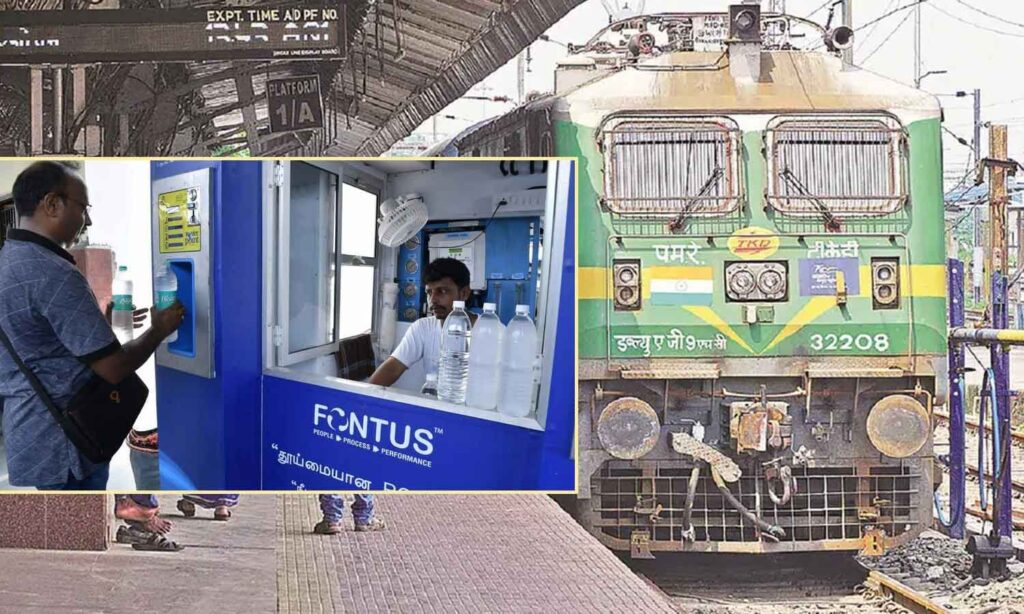
Key Update
Drinking water samples from water coolers at eight railway stations across four railway zones tested positive for E. coli, raising concerns about the safety of drinking water available to passengers, according to a recent report by the Comptroller and Auditor General of India (CAG). The CAG conducted the audit to assess passenger amenities and sanitation at non-suburban railway stations. It covered 512 stations across 16 railway zones.
Eight stations found with E. coli contamination
The CAG identified E. coli in water cooler samples collected from:
- Coimbatore and Palakkad Junction – Southern Railway
- Hyderabad – South Central Railway
- Chhatrapati Shivaji Maharaj Terminus, Bhiwandi Road, Kalyan and Lonavala – Central Railway
- Madhupur – Eastern Railway
The audit also detected bacterial contamination in drinking water supplied through platform taps. Railway authorities collected samples from 49 stations across eight zones in 2022-23 and 56 stations across nine zones in 2023-24. The tests detected total coliform bacteria, including E. coli.
The CAG found bacteriological testing, apart from total coliform testing, unsatisfactory at eight stations across four zones in 2022-23 and 11 stations across five zones in 2023-24. The audit also found that authorities did not conduct bacteriological analysis of drinking water at 59 stations across six railway zones.
Why E. coli in drinking water is a concern
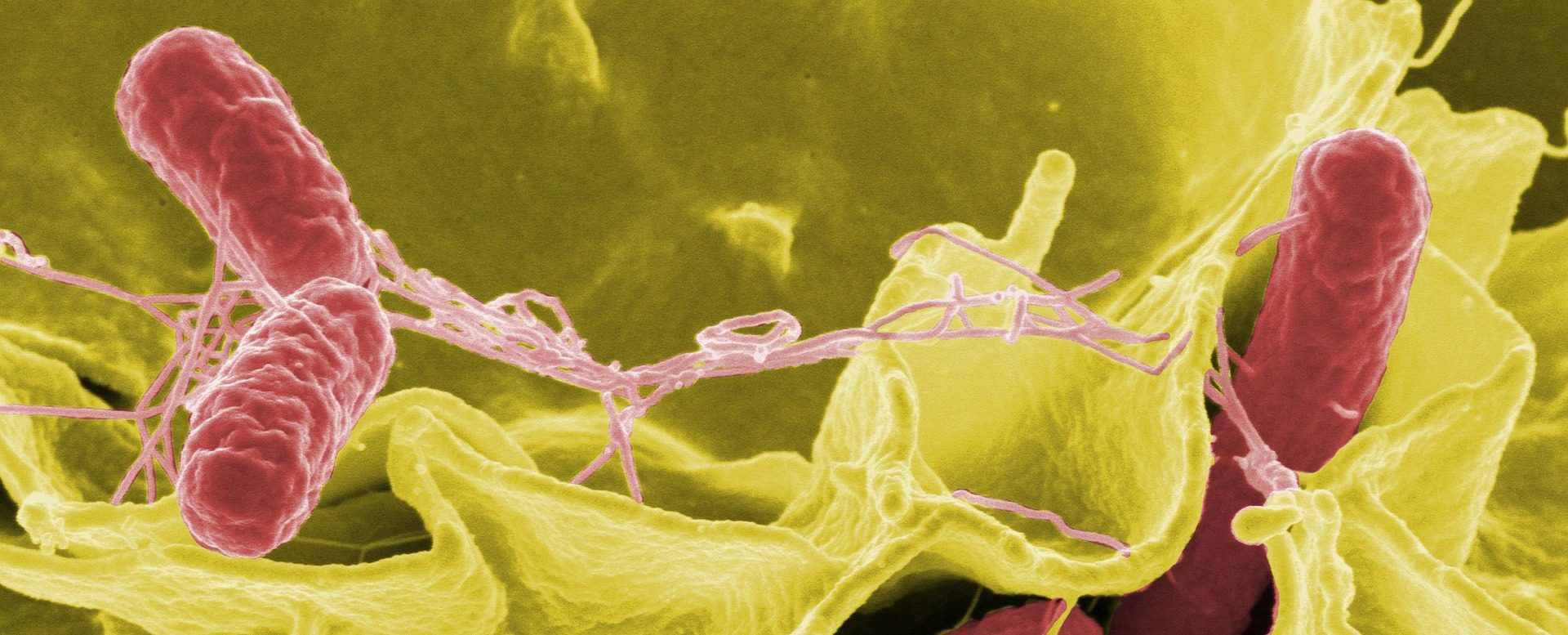
Most strains of Escherichia coli live harmlessly in the intestines of humans and animals. However, certain strains can cause illness, including diarrhoeal infections. E. coli in drinking water can indicate possible faecal contamination, pointing to potential failures in water safety or sanitation. Infection can cause diarrhoea, stomach cramps and vomiting, while some strains can cause more serious illness.
Water quality testing also falls short
The audit identified gaps in the routine chemical testing of drinking water as well. Authorities did not conduct chemical analysis at 179 stations across 11 zones and 77 stations across six zones at the prescribed frequency of twice a year. The CAG recommended that Indian Railways conduct comprehensive drinking-water testing in accordance with the Uniform Drinking Water Quality Protocol.
More than 89% of audited stations lacked essential amenities
The audit found deficiencies beyond drinking-water safety. Of the 512 stations inspected, 458 — more than 89% — lacked one or more Minimum Essential Amenities (MEAs). These amenities include drinking water, toilets, urinals, seating, platform shelters, fans, water coolers, dustbins and other basic passenger facilities. The audit recorded shortages of:
- Drinking water taps at 2,035 stations
- Urinals at 403 stations
- Latrines at 201 stations
Even major NSG-1 stations, including Chhatrapati Shivaji Maharaj Terminus, Howrah, Sealdah, New Delhi and Mumbai Central, lacked some basic passenger amenities.
CAG calls for stronger water and sanitation controls
The CAG urged Indian Railways to follow prescribed protocols for inspecting water-supply systems and carry out comprehensive and regular drinking-water quality testing. It also called for stronger sanitation and waste-management measures and the continuous availability of clean and functional passenger facilities at railway stations. The findings are significant given the scale of India’s railway network. Indian Railways has 5,908 non-suburban stations, operates more than 7,424 non-suburban passenger trains daily, and carried around 292.4 crore non-suburban passengers in 2023-24.
Source: Manoramaonline