Food Manifest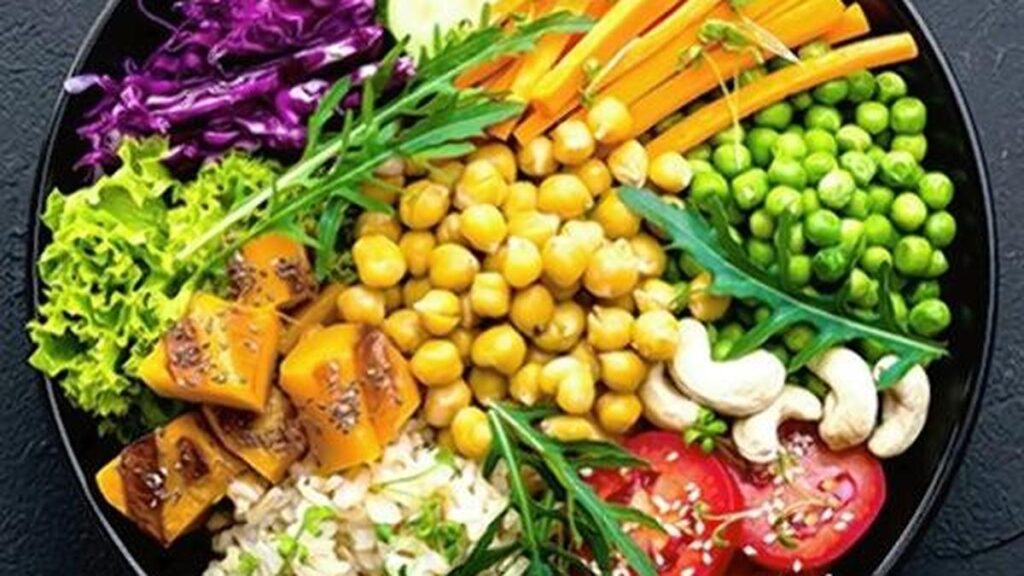
Key Update
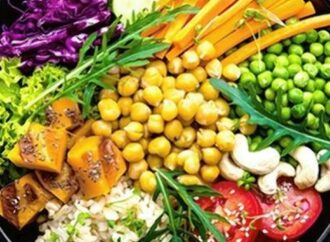
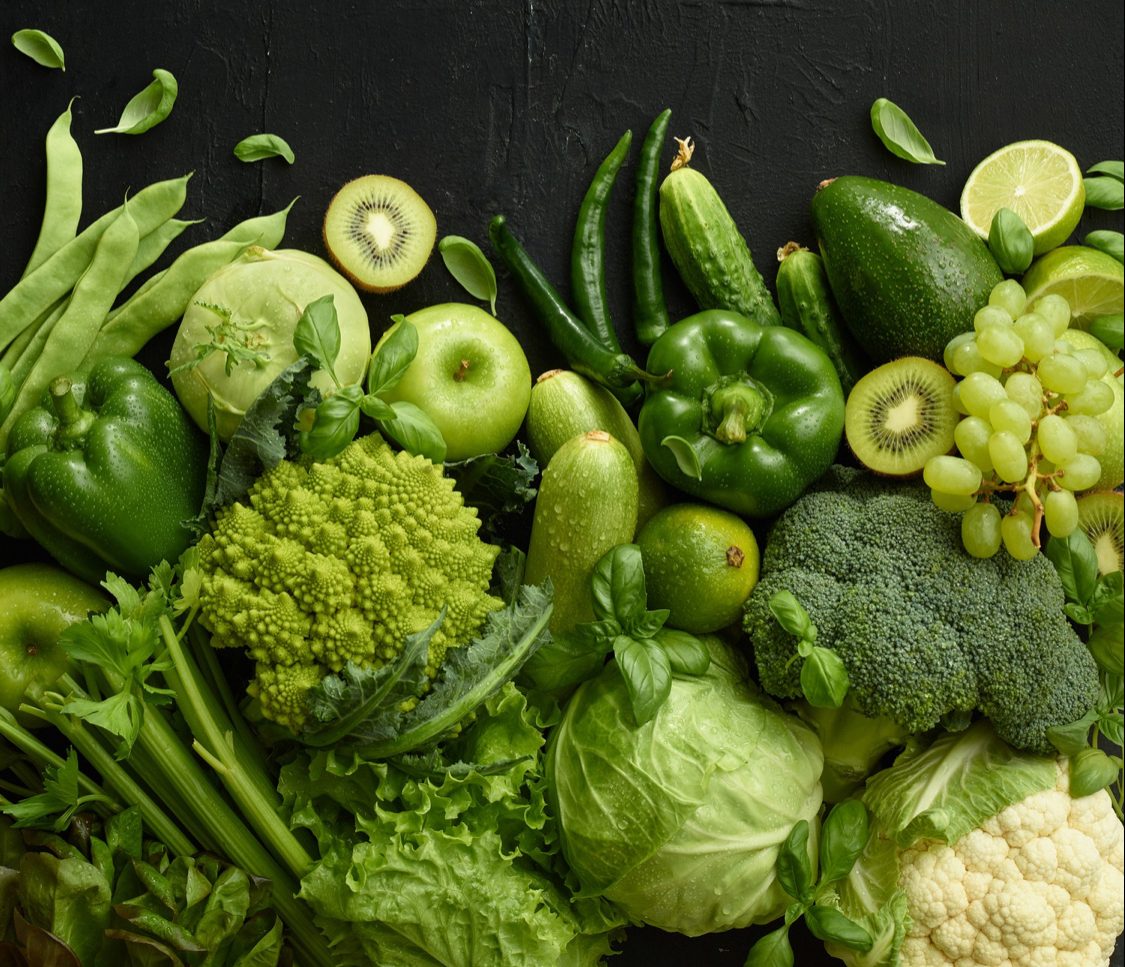
Can the visual appeal used to make burgers, desserts and other indulgent foods look tempting also make healthy foods more appealing? A study by the Indian Council of Medical Research-National Institute of Nutrition (ICMR-NIN), Hyderabad, suggests it can. Published in BMC Public Health, the study found that attractive food presentation increased adolescents’ willingness to eat certain healthy foods, highlighting how visual communication can support healthier food choices.
What Makes Food Look Appealing?
Researchers explored whether visual techniques commonly used in social media food imagery, often described as “foodporn”, could also promote healthier foods. Adolescents said colour, texture, presentation, shape, glossiness, balance and symmetry made food images more attractive and memorable. They also associated simply presented healthy foods with eating at home, while they linked attractively presented foods more often with social settings.
How Was the Study Conducted?
Researchers created 150 images of healthy and unhealthy foods and pretested them with 43 school-going adolescents. Based on their responses, they selected 15 images featuring foods such as fruits, millets, pulses, dairy products, nuts and seeds, presented either simply or attractively. The researchers then shared the images on Instagram for 15 days with 203 adolescents aged 13 to 19 from across India. Participants viewed visually appealing unhealthy foods, attractively presented healthy foods and simply presented healthy foods.
Can Presentation Influence Food Choices?
Attractive presentation appeared to influence responses to some foods. Adolescents showed a greater willingness to eat millet porridge and chana salad when researchers presented them more attractively. During follow-up interviews, some participants said they had tried foods they previously disliked, eaten more fruits and pulses, and experimented with different ways of cooking and plating food.
Do Food Images Matter More Than Nutrition Information?
The researchers also tested whether short nutritional descriptions would change participants’ responses. They divided participants into two groups. One group received nutritional information alongside the images, while the other saw only the images. The study found no significant difference between the groups. Researchers noted that adolescents often paid more attention to the food images than the accompanying text, highlighting the potential role of visual communication in digital food environments.
A Potential Tool for Healthier Food Environments
The researchers said communicators could explore visually appealing healthy-food content as a nutrition strategy on social media, school canteens, cafés and restaurants. However, they stressed that larger and longer-term studies involving more diverse adolescent populations are needed to determine whether attractive food imagery can produce sustained changes in food choices and consumption. The findings suggest that communicators could adapt the visual strategies used to make indulgent foods attractive to make healthier foods more appealing and easier to choose.
Source: The New Indian Express