Food Manifest
Have you ever opened a packet of biscuits only to find them soft, or noticed an unpleasant smell from a bottle of cooking oil that has been sitting in your kitchen for weeks? Perhaps you have discovered mould on bread that you bought just a few days ago.
We often blame these changes on poor-quality food, but our storage habits can also play a role. Exposure to light, air and moisture can affect food’s freshness, flavour, texture and nutritional value. In some cases, these factors can also contribute to food spoilage and safety risks. The good news is that a few simple changes to how we store food can help preserve its quality and reduce waste.
Light: Why Food Needs Protection
Leaving a bottle of cooking oil near a sunny window might seem harmless, but prolonged exposure to light can affect its quality. Light can trigger chemical reactions that damage sensitive nutrients and accelerate the deterioration of fats and oils.
For example, exposure to light and oxygen can cause cooking oil to develop an unpleasant smell and taste. Light can also affect certain vitamins in foods such as milk. This explains why some edible oils come in dark-coloured bottles or opaque containers that limit light exposure. What can you do? Store cooking oils, spices and other light-sensitive foods in a cool, dark place, away from direct sunlight. Close oil bottles tightly after use and keep them away from windows and heat sources. Always follow the storage instructions on the label.
Air: When Oxygen Changes Food Quality

Air surrounds us every day, but prolonged exposure to oxygen can change the quality of many foods. This process, known as oxidation, can affect their flavour, colour and nutritional value. Cooking oil offers a familiar example. When fats react with oxygen over time, the oil can become rancid and develop an unpleasant smell or taste. Nuts and seeds can also turn rancid during storage.
You may have noticed another example when you cut an apple and leave it on the counter. Its surface gradually turns brown as enzymes react with oxygen. Although this browning does not automatically mean the apple is unsafe, it can affect its appearance and appeal.
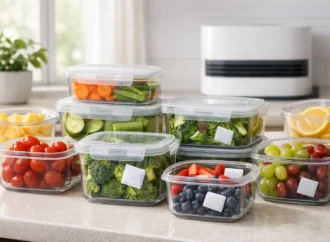
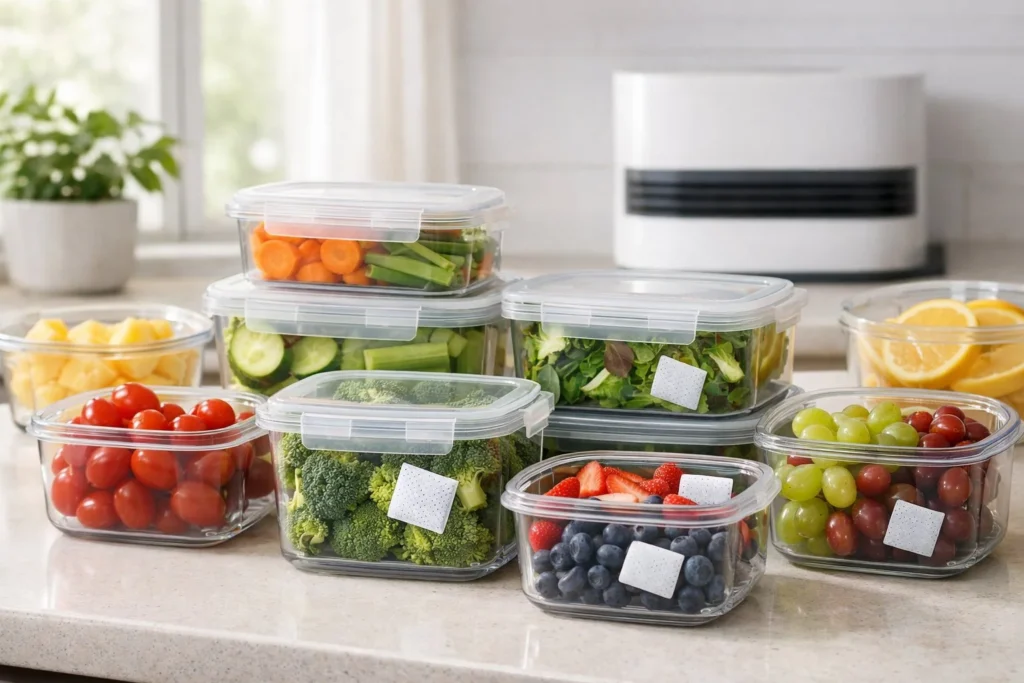
What can you do? Close food packets tightly after use and store suitable dry foods in clean, airtight containers. Keep nuts and seeds according to their storage instructions, and refrigerate cut fruits and other perishable foods when necessary. Remember that airtight containers help limit exposure to air but cannot prevent every form of deterioration.
Moisture: Why Dry Foods Must Stay Dry
Have you ever opened a biscuit packet expecting a crisp snack, only to find that the biscuits have turned soft? Moisture may be the culprit. Foods such as biscuits, crackers, breakfast cereals and flour can absorb moisture from the surrounding air. This can change their texture, cause powdered ingredients to form lumps and shorten their storage life. Under suitable conditions, excess moisture can also encourage mould growth.
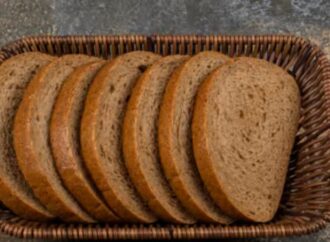
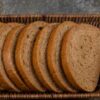
Bread is a common example. When mould appears, it may extend beyond the visibly affected area. Therefore, cutting away the mouldy portion does not reliably make the remaining bread safe to eat. Moisture also affects food safety because many microorganisms need available water to grow. However, temperature, acidity and other conditions also influence microbial growth.
What can you do? Store dry foods in tightly closed containers in a clean, dry cupboard. Always use a clean, dry spoon when handling flour, sugar and other dry ingredients. Keep food away from sinks and other places where water might enter containers. For bread and other perishable foods, follow the manufacturer’s storage instructions.
Does Sealed Packaging Protect Food Completely?
Food manufacturers use different types of packaging to protect products from light, air and moisture. Some materials block light, while others limit oxygen or moisture from entering the pack. However, packaging cannot protect food indefinitely. Heat, damaged packaging and prolonged storage can still affect food quality. Once you open a packet, exposure to the surrounding environment can also increase.
Before buying food, check that the packaging is intact and the seal remains unbroken. Avoid packs that show signs of leakage or moisture where none should be present. Read the label carefully, paying attention to storage instructions and date markings. After opening a product, follow the recommended storage instructions to maintain its quality.
Does Food That Looks Fine Always Remain Safe?
Although light, air and moisture can affect food quality, changes in freshness do not always indicate a safety problem. For example, an apple turning brown after cutting usually reflects a quality change rather than spoilage. The reverse is equally important: food can contain harmful microorganisms even when it looks and smells normal. You cannot determine whether food is safe simply by examining it or tasting a small amount.
Therefore, do not rely on your senses alone. Follow storage instructions, maintain appropriate temperatures for perishable foods and discard food that shows signs of spoilage. If food has been stored improperly, do not assume it is safe just because it appears normal.
Small Habits, Better Food Storage
Light, air and moisture may seem like ordinary parts of everyday life, but they can significantly affect how food keeps its quality. The effects vary from one product to another, so no single storage method works for everything. However, simple habits can make a difference. Keep light-sensitive foods away from sunlight, close packages properly, protect dry foods from moisture and follow the storage instructions on food labels. By understanding how these everyday factors affect food, we can preserve freshness, reduce avoidable food waste and make better decisions about the food we bring into our kitchens.