 Food Manifest

Besan, or gram flour, is a staple ingredient in Indian kitchens. From crispy pakoras and batata vada to traditional sweets such as ladoos, barfi, and halwa, besan plays an important role in many popular dishes. Beyond India, people across Bangladesh, Sri Lanka, Pakistan, Nepal, and Myanmar also use besan in their traditional cuisines.
The Benefits of Besan
Although people often associate besan with deep-fried snacks and sugary sweets, the flour itself offers several nutritional benefits. Besan is naturally gluten-free, making it a suitable alternative to wheat flour for people who cannot tolerate gluten. It also provides plant-based protein, making it a valuable ingredient in vegetarian and vegan diets.
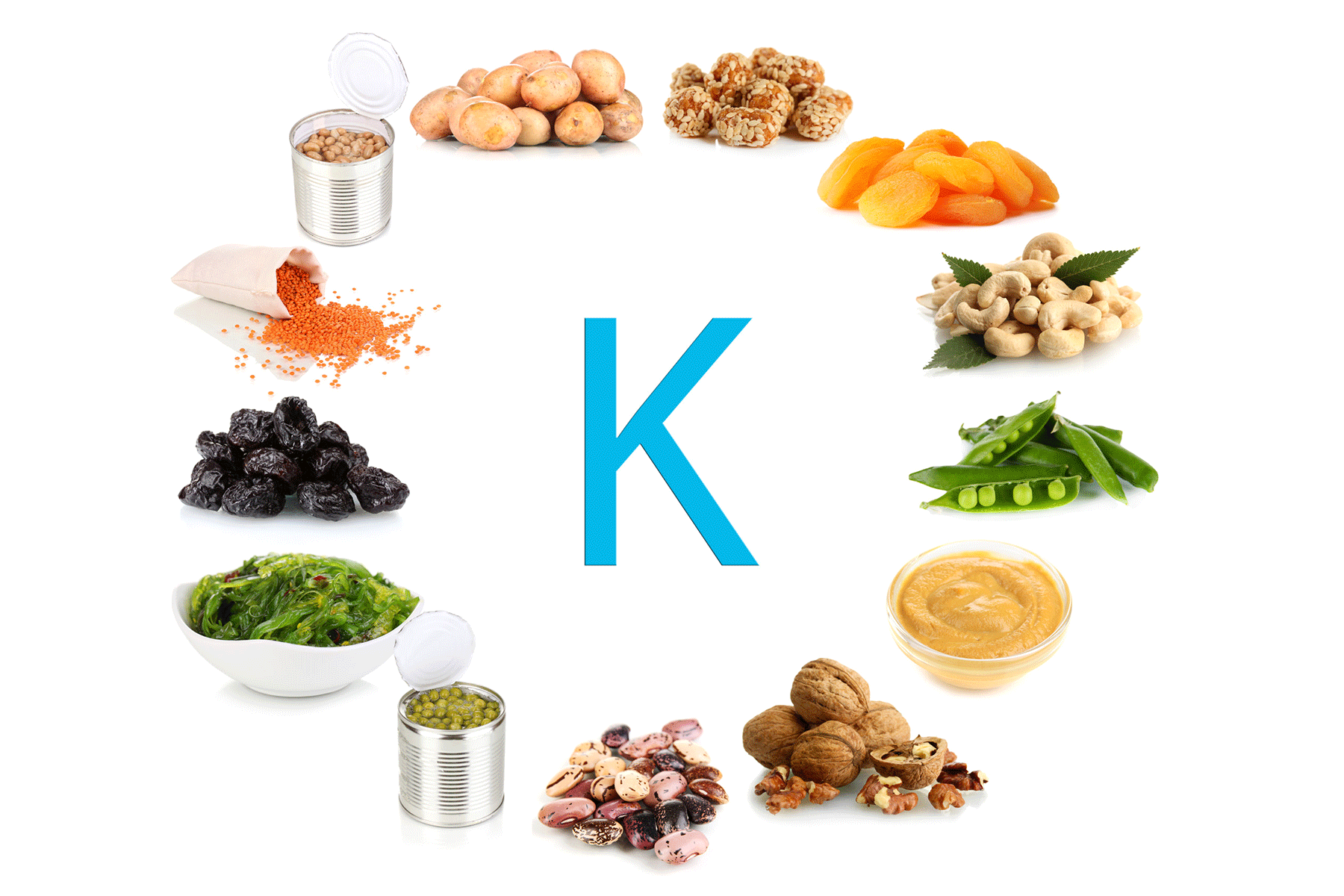
In certain recipes, cooks can even use besan as an egg substitute. Besan contains essential nutrients, including iron, magnesium, potassium, zinc, phosphorus, and folate, along with smaller amounts of other vitamins and minerals. It also provides dietary fibre, which supports digestive health and may help maintain healthy cholesterol levels. Additionally, besan contains plant compounds called polyphenols, which have antioxidant properties. These nutritional qualities make besan a versatile ingredient that can contribute to a balanced diet, particularly when used in dishes that require minimal added oil or sugar.
Besan Adulteration
Like many commonly used kitchen ingredients, besan is vulnerable to adulteration. Some unscrupulous manufacturers and traders mix cheaper ingredients with besan to reduce production costs and increase profits. In 2019, the Food Safety and Standards Authority of India (FSSAI) issued a guidance note titled Ensuring Safety of Pulses and Besan, highlighting the adulteration of besan with ingredients such as khesari dal, rice flour, maize flour, and yellow peas.
The guidance note also warned about the potential health risks associated with certain adulterants, particularly khesari dal and artificial colours. Some manufacturers may add synthetic dyes, such as Metanil Yellow, to enhance besan’s appearance. This non-permitted food colour raises serious health concerns due to its potential toxic effects. To help consumers identify possible adulteration, FSSAI also shared a simple detection test on social media, demonstrating how to check besan for certain adulterants at home.
How to detect Besan Adulteration
Add 3ml of water to 1 g of besan to extract plant pigments from it. Then, add 2ml of hydrochloric acid (HCl) to the mixture, shake it, and allow it to settle. If the besan is pure and unadulterated, no change in colour will be observed in the mixture. However, the mixture will turn pink if the besan is adulterated, which is how Metanil Yellow reacts with HCl.
Rules and Remedies
Sub-regulation 2.4.4 of the Food Safety and Standards (Food Products and Food Additives) Regulations, 2011 prescribes the composition of unadulterated besan. The regulation reads as follows:
“Besan means the product obtained by grinding dehusked Bengal gram (Cicer arietinum) and shall not contain any added colouring matter or any other foreign ingredient. Besan shall conform to the following standards: Total ash: Not more than 5.0%; Ash insoluble in dilute hydrochloric acid: Not more than 0.5%.”
If they encounter the illegal sale of adulterated foods in their locality, consumers must report such findings to the Food Safety Department or to the concerned State Food Safety Commissioners. Details of the same are provided on the FSSAI website. Consumers also have the option of voicing their concerns on the Food Safety Connect portal.
Besan is one of the most popular, versatile, and well-loved ingredients in Indian cuisine, and is at its best when left unadulterated. Considering the circumstances of the ongoing pandemic, where paying careful attention to one’s health has become crucial, it is important that we take the issue of food adulteration seriously and undertake adulteration tests to stay safe and avoid health hazards.



Leave a Comment
Your email address will not be published. Required fields are marked with *