Food Manifest
Overview
On May 2, Dr Jayesh Sharma, an oncologist with over 25 years of experience, explained on Instagram why deep frying may pose greater cancer-related risks compared to air frying. He broke down the science behind common cooking methods and highlighted key compounds formed during high-heat cooking.
Three Key Risks Linked to Deep Frying
Dr Sharma identified three major concerns associated with deep-fried foods:
Acrylamide Formation
When starchy foods like potatoes or refined flour cook at high temperatures, they undergo the Maillard reaction, which gives food its golden-brown crust. This process produces acrylamide, a compound considered a probable human carcinogen. Deep frying accelerates this reaction due to higher temperatures, leading to greater acrylamide formation.
HCAs from Overheated Oil
When oil heats to very high temperatures—especially to the point of smoking—and cooks animal proteins, it forms heterocyclic amines (HCAs). These compounds have established links to cancer risk.
Trans Fats from Reused Oil
Repeatedly reheating oil leads to the formation of trans fats, which are associated with various health risks, including cancer. This is a common issue in deep frying, particularly in commercial settings.
Where Air Frying Stands
Air frying uses circulating hot air to cook food, requiring little to no oil. While it can still produce acrylamide and HCAs, the levels remain significantly lower compared to deep frying. Importantly, air fryers do not generate trans fats because they do not involve repeated oil heating. However, Dr Sharma cautioned that air frying does not automatically make food “healthy.” It only reduces certain risks associated with deep frying.
The Science Behind the Difference
The Maillard reaction occurs more rapidly at the higher temperatures used in deep frying, increasing the formation of harmful compounds like acrylamide. In contrast, air frying typically operates at lower temperatures, which helps limit—but not eliminate—these substances.
Why This Matters
Rising cancer rates globally have drawn attention to lifestyle and dietary habits. Frequent consumption of fried, burnt, or heavily processed foods can increase exposure to harmful compounds. Cooking methods, therefore, play a crucial role in long-term health.
What Consumers Can Do
Health experts recommend simple steps to reduce risk:
- Cook starchy foods to a golden yellow rather than dark brown
- Avoid reheating oil multiple times
- Limit frequent consumption of deep-fried foods
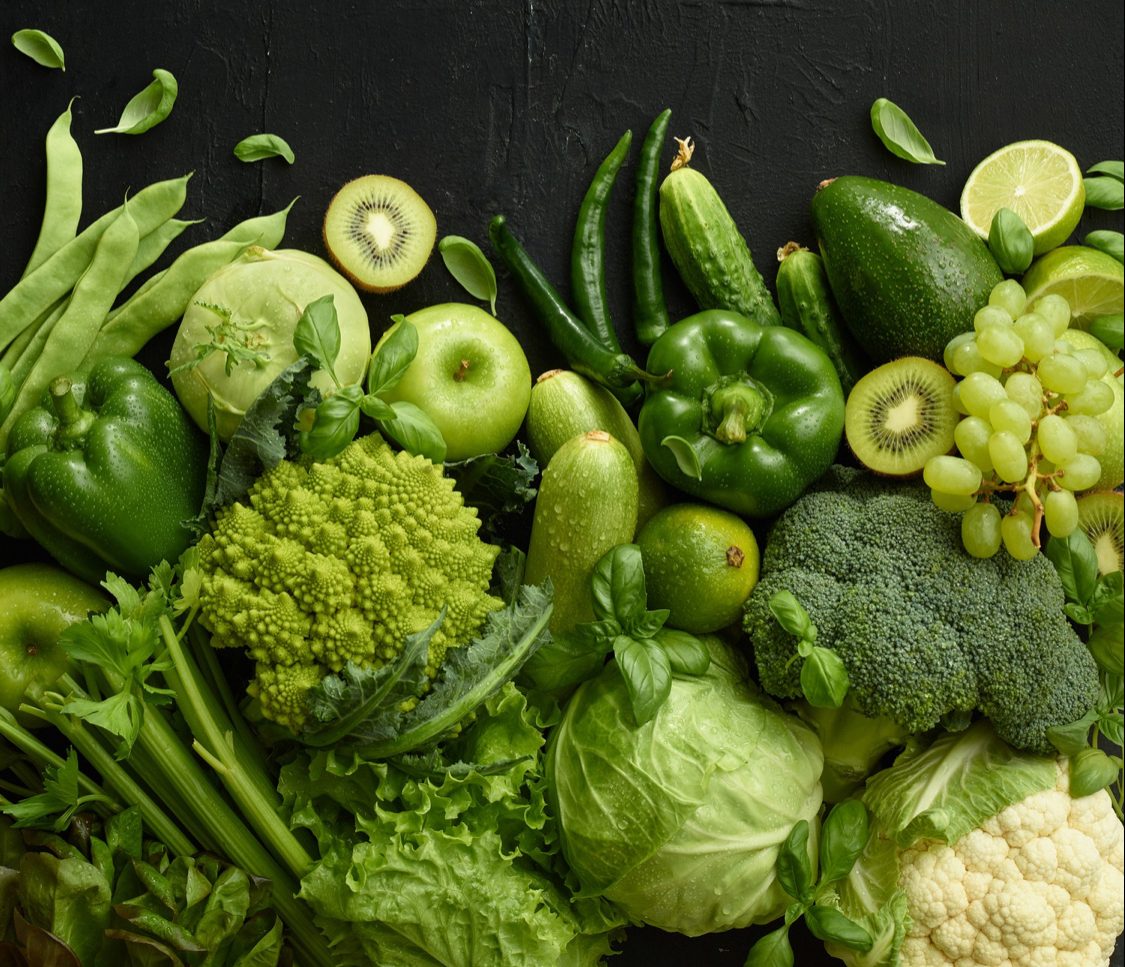
- Include more fruits, vegetables, and whole grains in your diet
The Bottom Line
Air frying is a relatively safer alternative to deep frying, but it is not risk-free. The key lies in moderation and mindful cooking practices. Reducing exposure to high-heat cooking and reused oils can go a long way in lowering potential health risks.
Source: Hindustan Times