Food Manifest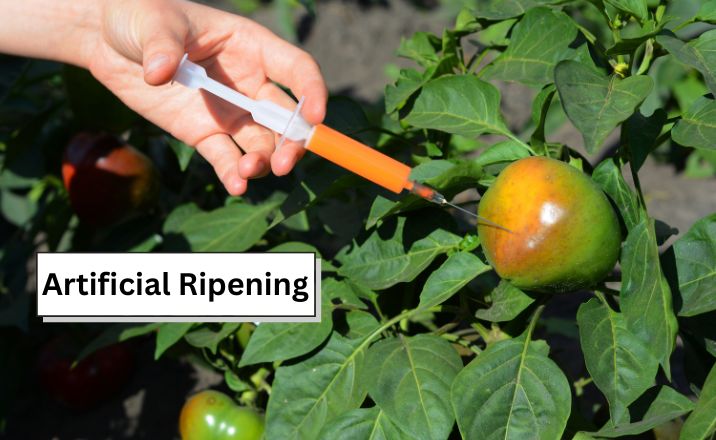
Key Update
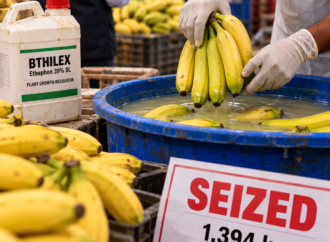
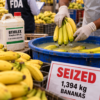
Following a central directive for nationwide inspections, Jharkhand food safety department will launch a statewide crackdown on artificial fruit ripening agents and instruct district food safety officers (FSOs) to intensify inspections across mandis, storage facilities, and transport hubs ahead of the peak summer fruit season. State Deputy Food Safety Commissioner Anant Sinha confirmed the move and said officials will ensure strict monitoring and take stringent action, including seizures, against the use of carcinogenic chemicals.
Authorities intensify inspections across key supply points
Enforcement teams will focus on mandis, warehouses, and transit points where artificial ripening is most likely. Officials aim to tighten checks before large volumes of seasonal fruits enter the market. They will also send collected samples for laboratory analysis to identify chemical residues and verify whether fruits were naturally ripened or exposed to banned substances, in line with Food Safety and Standards Authority of India (FSSAI) norms.
Regulations ban carbide use, allow ethylene within limits
Ranchi Food Safety Officer Pawan Kumar said the law prohibits the use of acetylene gas (carbide gas) for artificial ripening under sub-regulation 2.3.5 of the Food Safety and Standards (Prohibition and Restrictions on Sales) Regulations, 2011. However, authorities permit the use of ethylene gas within safe limits of up to 100 ppm, depending on the crop, variety, and maturity stage.
Authorities ban calcium carbide due to its toxic effects, while they allow ethylene—a natural plant hormone—under controlled conditions. Officials have also reiterated safe handling guidelines, including storing fruits in well-ventilated crates, maintaining proper airflow, and limiting ripening chamber capacity to 75% to ensure consistency. The drive aims to strengthen enforcement and safeguard public health.
Controlled conditions ensure safe and uniform ripening
To ensure safe ripening, fruits require controlled exposure to ethylene along with specific temperature and humidity conditions. For instance, bananas ripen at 15–18°C, while mangoes and papayas require 20–25°C, with exposure lasting 24–48 hours and relative humidity maintained at 90–95%. Similar conditions apply to pears and tomatoes, with slight variations to ensure uniform results.
Source: The Times of India