Food Manifest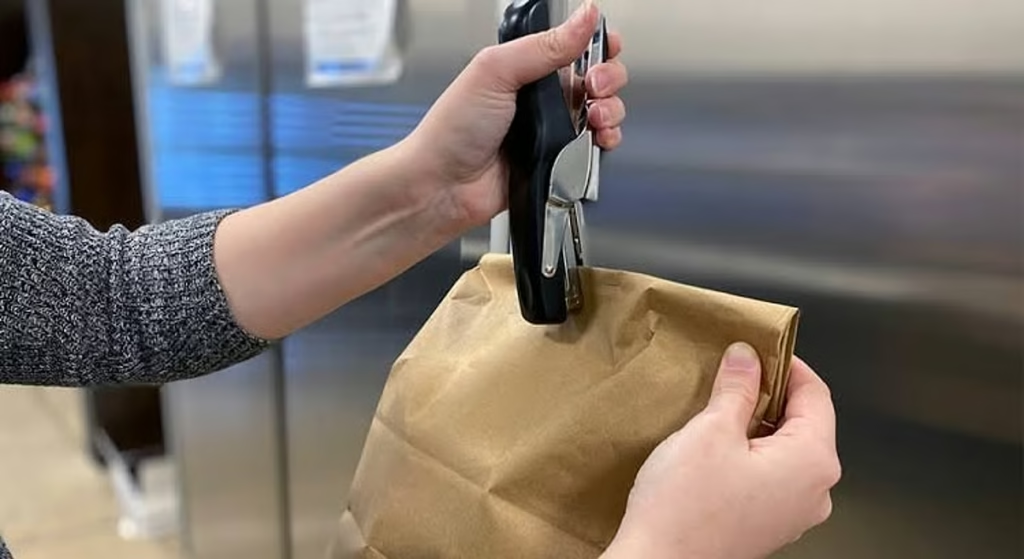
Food safety risks do not always come from bacteria, chemicals, or spoiled food. Sometimes, the danger comes from foreign objects that accidentally enter food and cause injury when consumed.
The issue recently gained attention after a three-year-old boy swallowed two metal wires hidden inside decorative elements of a birthday cake. Fortunately, the child passed the wires naturally without suffering internal injuries. However, the incident highlighted an important food safety concern that often receives less attention than microbial contamination or food adulteration: contamination by physical objects.
While the cake incident attracted public attention, it is not an isolated occurrence. Similar concerns have been reported in bakery products, sweets, packaged snacks, takeaway meals, and food parcels. Recognising the potential risk to consumers, the Food Safety and Standards Authority of India (FSSAI) recently directed food businesses to stop using metallic pins, staple pins, wires, and similar materials in food packaging and handling.
What Are Physical Hazards in Food?
Food safety hazards generally fall into three categories: biological, chemical, and physical. Physical hazards refer to foreign objects that accidentally enter food during preparation, processing, packaging, storage, transportation, or serving. Common examples include:
- Metal fragments
- Wires and staple pins
- Glass pieces
- Plastic particles
- Stones
- Wood splinters
Unlike microbial contamination, these hazards are often visible. However, consumers may not notice them until they have already bitten into or swallowed them. Even a small object can cause significant harm depending on its size, shape, and location within the food product.
Why Metallic Pins and Wires Are a Serious Concern
Many food businesses use metallic pins, staples, or wires as a quick and inexpensive way to secure food packets, takeaway parcels, sweet boxes, snack pouches, and bakery packaging. Some bakeries and cake shops also use metal supports to hold decorative elements in place. Although these materials may appear harmless, they can detach during handling, transportation, or consumption and become mixed with food. If swallowed, they may lead to:
- Choking
- Cuts inside the mouth
- Throat injuries
- Damage to the digestive tract
- Internal bleeding
- Emergency medical complications
Sharp metallic objects can cause serious injury even when present in very small sizes.
The Food Packaging Risk Many Consumers Overlook
Consumers often focus on the quality, freshness, and ingredients of the food they purchase, but pay far less attention to the packaging and decorative materials that come into contact with it. A staple pin securing a food packet, a metallic wire hidden within a cake decoration, or a fastening device attached to packaging can easily go unnoticed. When consumers assume that everything associated with a food product is safe, the likelihood of unintended consumption increases.
Children are especially vulnerable because they may not recognise decorative supports or packaging components as non-edible objects. Even adults can overlook small metallic items while eating quickly or sharing food during celebrations and gatherings. This highlights an important food safety principle: packaging materials, decorative elements, and other food-contact items deserve the same level of attention as ingredients and hygiene practices.
Why FSSAI Took Action
FSSAI reported multiple incidents in which metallic pins, wires, and similar objects were found attached to or embedded in food products and packaging. Following its review of these cases, the regulator concluded that such materials pose an avoidable risk to consumers.
As a precautionary measure, FSSAI directed all Food Business Operators (FBOs) to immediately discontinue the use of metallic pins, wires, staples, and similar materials for sealing, fastening, securing, decorating, or packaging food items.
The directive applies across the food sector, including bakeries, sweet shops, restaurants, takeaway outlets, caterers, snack manufacturers, and food delivery businesses. The move reflects a preventive approach to food safety regulation, eliminating a known source of risk before injuries occur and reinforcing modern food safety management principles.
Safer Alternatives for Food Businesses
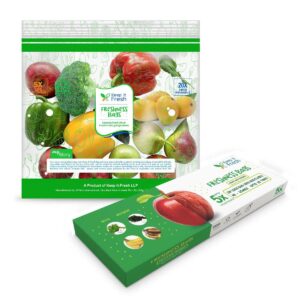
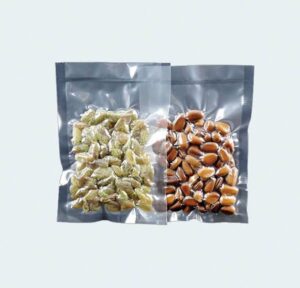
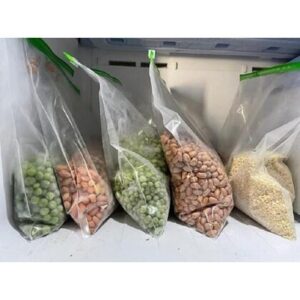
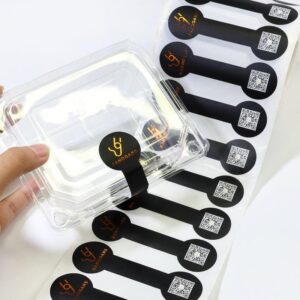 Food businesses can adopt safer alternatives without compromising packaging efficiency or product presentation. These include:
- Food-grade adhesive seals
- Tamper-evident labels
- Food-safe tapes
- Heat-sealed packaging
- Approved food-grade containers and closures
Replacing metallic fasteners with safer options can help reduce contamination risks, improve regulatory compliance, and strengthen consumer confidence.
What Consumers Can Do
Consumers can also take simple precautions to minimise the risk of injury from foreign objects in food.
- Inspect food packaging before opening.
- Check cakes and decorative food items for non-edible supports.
- Remove decorative elements before serving food to children.
- Report foreign objects found in food products to the manufacturer or relevant food safety authorities.
- Seek immediate medical attention if a sharp object is accidentally swallowed.
Awareness remains an important part of preventing injuries associated with physical contamination.
A Small Object Can Cause a Big Problem
The recent regulatory action serves as a reminder that food safety hazards are not always microscopic. Foreign objects such as metallic fasteners, wires, and other non-food materials can cause serious injuries when they enter food products.
The latest FSSAI directive reinforces a simple but important principle: every material that comes into contact with food must be assessed for safety. By eliminating avoidable risks at the source, food businesses can better protect consumers, strengthen compliance, and build greater trust in the food supply. When it comes to food safety, prevention remains the most effective solution.