Food Manifest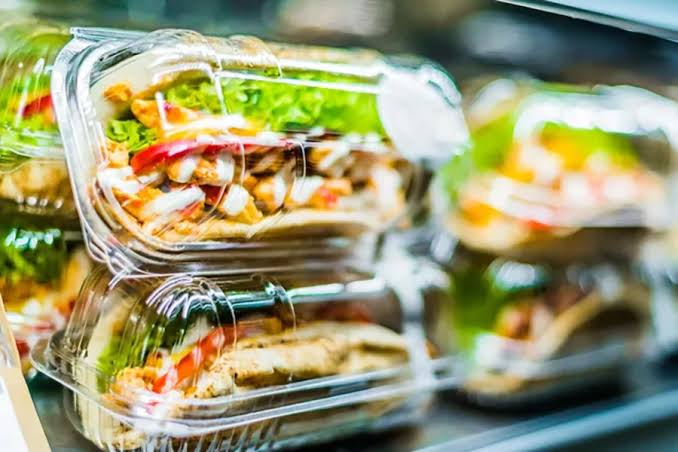
When you open a packet of chips, coffee or nuts, you may notice that it contains more space than food. That space is not always simply air. Food manufacturers sometimes use specific gases inside packages to protect the product and maintain its quality. Nitrogen, one of the most commonly used packaging gases, can help limit oxygen exposure and slow changes that affect flavour, aroma and freshness. It can also provide cushioning that protects delicate foods from damage during handling and transport. But why do manufacturers put gas into food packages, and how does it help preserve the food we eat? But why does food packaging need gas in the first place?
Why Does Food Packaging Use Gas?
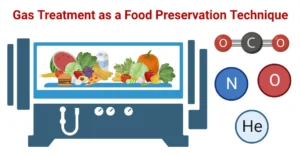
Oxygen plays an important role in several changes that can affect food quality. When certain foods come into contact with oxygen, they can undergo oxidation. This process can contribute to rancid flavours and odours, colour changes and the deterioration of some sensitive components. Manufacturers can reduce this exposure by changing the atmosphere inside a package.
Instead of leaving ordinary air around the food, they can introduce a selected gas or gas mixture. This approach helps create conditions that better protect the product during storage. Nitrogen works particularly well for this purpose because it is relatively unreactive. It does not readily react with many food components, allowing it to occupy the space inside the package without causing the types of chemical changes that oxygen can promote.
Nitrogen Does More Than Fill the Pack
Nitrogen can serve more than one purpose in food packaging. For foods such as potato chips and other delicate snacks, manufacturers can use nitrogen to fill the package and provide cushioning. This extra space can help reduce physical damage caused by handling and transportation. Nitrogen can also help reduce the amount of oxygen surrounding the food. By limiting oxygen exposure, manufacturers can slow oxidation and help maintain the product’s expected quality. This explains why opening a snack packet sometimes produces a noticeable release of gas. The package may have contained a controlled atmosphere designed to protect the food.
Which Foods Use Inert Gases?
Food manufacturers use gases such as nitrogen in a range of products, particularly foods that can lose quality when exposed to oxygen. Common examples include:
- Potato chips and other snack foods
- Coffee
- Nuts and seeds
- Cereals
- Dried foods
- Some bakery products
- Other foods that are sensitive to oxidation
The choice of gas depends on the characteristics of the food, its packaging, and the quality attributes the manufacturer wants to preserve. For example, a product that needs protection from oxidation may require a different packaging atmosphere from one where microbial control plays a more important role.
What Makes a Gas “Inert”?
In simple terms, an inert gas has low chemical reactivity under the conditions in which manufacturers use it. Nitrogen is the most familiar example in food packaging. Although nitrogen makes up most of the Earth’s atmosphere, it does not readily react with many food components under normal packaging conditions.
Other gases, including argon, can also serve specific food-packaging purposes. However, manufacturers select packaging gases based on the particular food and the function required. The term “inert” does not mean that the gas has absolutely no chemical behaviour under every possible condition. It simply describes its relatively low reactivity in the relevant application.
Is the Gas Inside Food Packaging Safe?
Food-grade gases used for packaging serve a technological purpose: they help protect the food rather than act as an ingredient intended to change its taste or nutritional value. Manufacturers must use appropriate food-grade materials and follow applicable food-safety and packaging requirements. The safety of a packaging system also depends on factors such as the gas used, its purity, the packaging material and the way the product is stored. Consumers should also remember that changing the atmosphere inside a package does not make food immune to spoilage. Temperature control, packaging integrity, handling and storage conditions continue to matter.
Is This the Same as Modified Atmosphere Packaging?
Not quite. Modified Atmosphere Packaging (MAP) is the broader packaging technique in which manufacturers change the composition of the atmosphere surrounding a food product.
The atmosphere may contain gases such as nitrogen, carbon dioxide and, for some products, oxygen. Manufacturers select the combination according to the food and the desired outcome. Inert gases such as nitrogen can therefore form part of a MAP system, but inert gases and MAP are not interchangeable terms. Think of it this way: the gas is one part of the packaging solution, while MAP describes the overall technique of controlling the atmosphere around the food.
The Takeaway
The gas inside a food package may look like space, but it can serve an important purpose. Nitrogen and other gases can help reduce oxygen exposure, protect delicate foods from physical damage and maintain quality during storage and transportation. Manufacturers select the appropriate packaging atmosphere according to the characteristics of the food and the protection it needs. So, the next time you open a packet of chips or coffee, remember: the gas inside may be part of the packaging technology helping keep the food fresh.