Food Manifest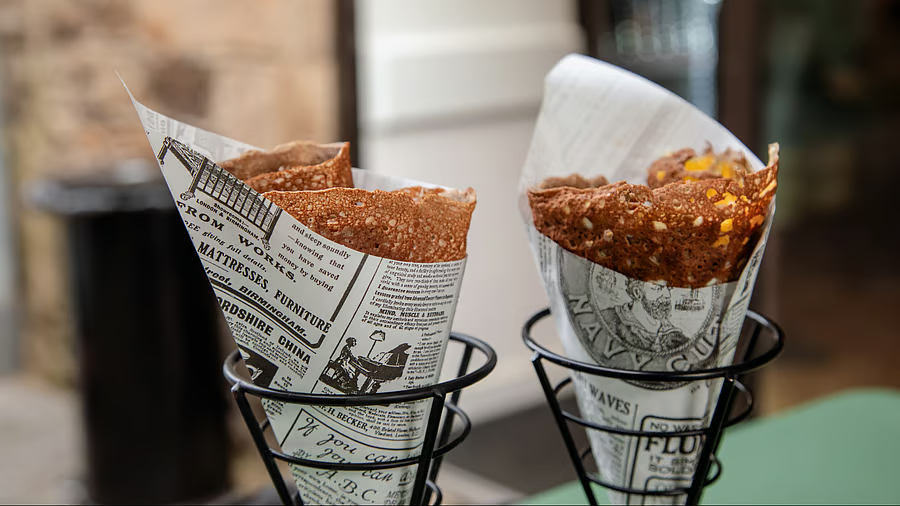
Key Update
The Food Safety and Standards Authority of India (FSSAI) has once again warned food businesses against using newspapers to wrap, store, or serve food, citing significant food safety concerns. The reminder follows recent action against a Vada Pav vendor in Mumbai who reportedly used newspapers for packaging and serving food. FSSAI emphasised that existing food safety regulations prohibit the use of newspapers and similar printed materials for direct food contact. The advisory applies to all food businesses, including street vendors, hawkers, restaurants, cloud kitchens, takeaway outlets, and quick-service restaurants.
Why Newspapers Pose a Food Safety Risk
According to FSSAI, newspapers can expose consumers to harmful chemicals and microbial contamination. Printing inks often contain toxic substances and heavy metals such as lead, chromium, and cadmium, along with mineral oils, phthalates, and synthetic dyes.
Dr Disha Bhatia, Consultant and Hospital Infection Control Officer (Microbiology) at Aakash Healthcare, explained that these chemicals can migrate into food when newspapers come into contact with hot, oily, or moist items. Foods such as vada pav, samosas, pakoras, and other fried snacks are particularly vulnerable because heat and oil accelerate the transfer of chemicals from the paper to the food. This process, known as chemical migration, can expose consumers to potentially harmful substances through regular consumption.
Potential Health Effects
Health experts warn that repeated exposure to heavy metals and other chemical contaminants can have serious long-term consequences. According to Dr Bhatia, chronic exposure to substances such as lead may affect the nervous system and kidney function and may contribute to cognitive impairment, particularly in children. She also noted that some chemicals used in printing inks are considered potential carcinogens and endocrine disruptors, raising concerns about their long-term impact on health.
Newspapers Can Also Spread Microbial Contamination
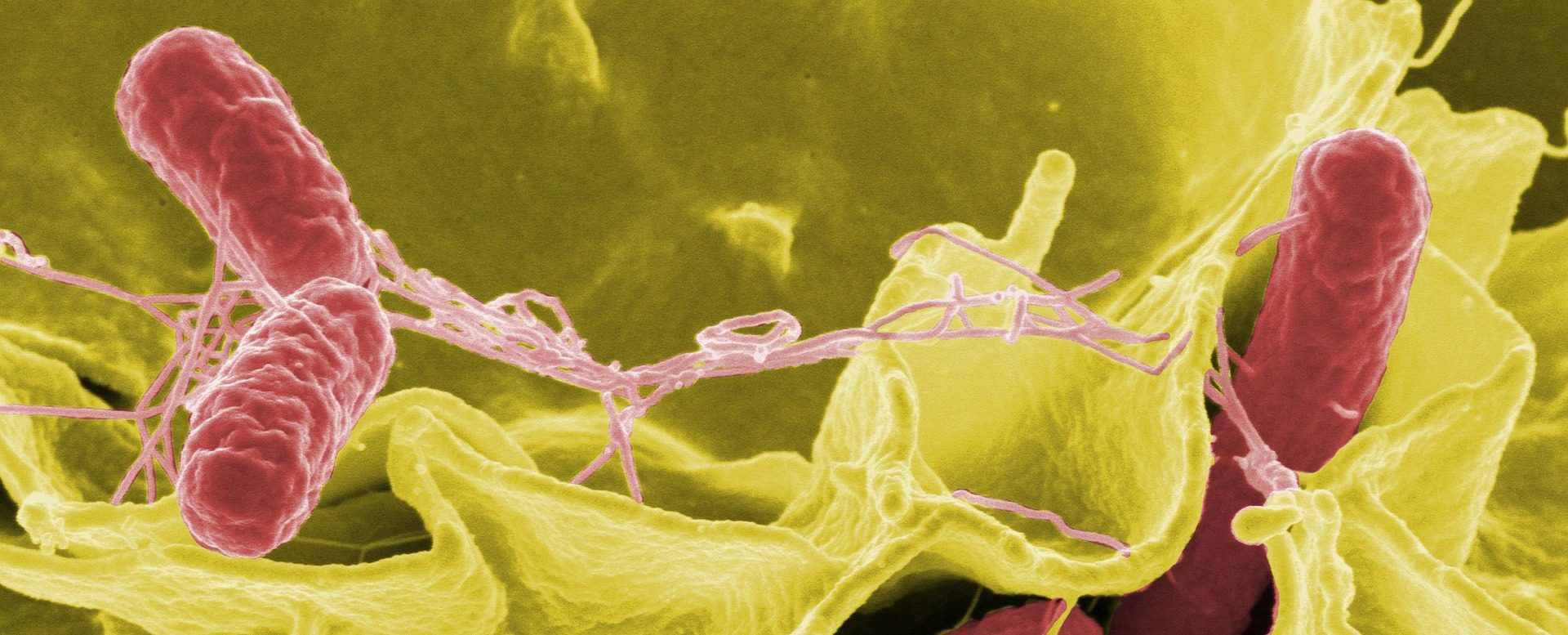
The risks extend beyond chemical exposure. Newspapers pass through multiple stages of handling, transportation, delivery, and storage before reaching consumers. During this process, they can accumulate dust, dirt, and disease-causing microorganisms. Experts warn that bacteria such as Escherichia coli, Staphylococcus aureus, and Salmonella may contaminate newspaper surfaces. Viruses such as Norovirus and Hepatitis A can also survive on paper for extended periods, increasing the risk of food contamination.
Safer Alternatives Recommended
To improve food safety, FSSAI recommends using approved food-grade packaging materials such as butter paper, aluminium foil, and certified food containers. Experts also suggest alternatives, including:
- Food-grade butter or parchment paper
- Banana leaves and sal-leaf plates
- Bagasse containers made from sugarcane fibre
- Certified food-grade paper and cardboard containers
- Reusable cotton cloth for dry foods
- Beeswax wraps for household use
Dr Bhatia also cautioned against using recycled paper for direct food contact, as it may contain residues from previous printing inks and chemical treatments.
Balancing Safety and Cost
While safer alternatives are available, many small vendors continue to rely on newspapers because of their low cost and easy availability. Newspapers often cost significantly less than food-grade packaging materials, making the transition challenging for small food businesses. However, FSSAI has stressed that consumer safety must take priority and has urged all food businesses to adopt approved food-grade packaging materials to reduce contamination risks and protect public health.