Food Manifest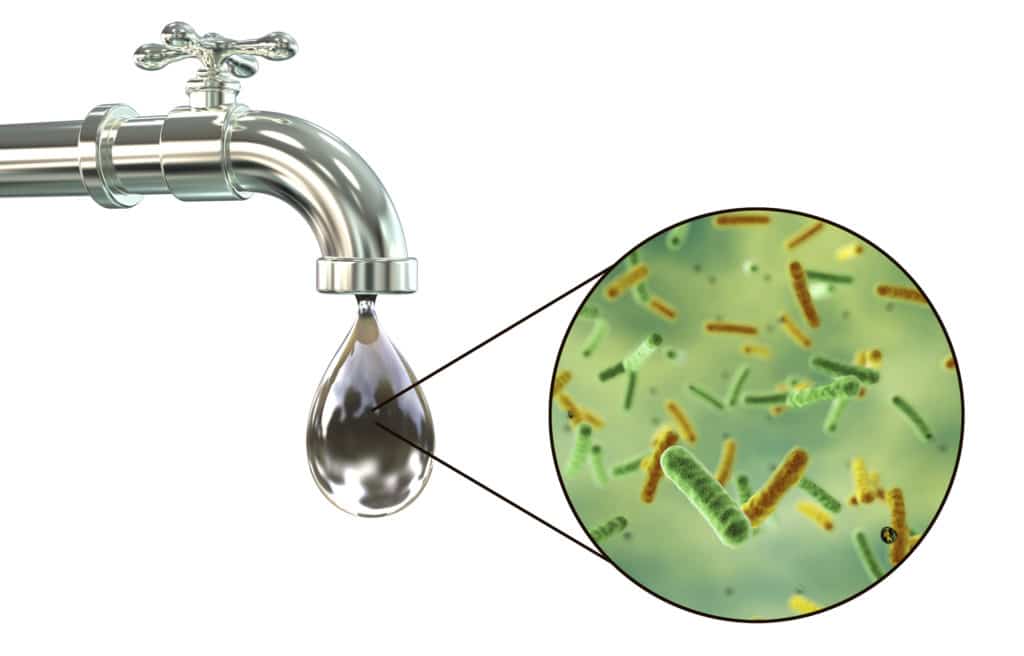
Overview
For most families, turning on the tap each morning is an act of trust. The water is used for drinking, preparing tea, cooking meals, and washing fruits and vegetables. But a recent investigation suggests that this trust may not always be justified in parts of Delhi. A seven-day sampling exercise by Hindustan Times has raised concerns about the microbiological safety of tap water in several residential areas.
Nearly Half the Samples Failed Safety Standards
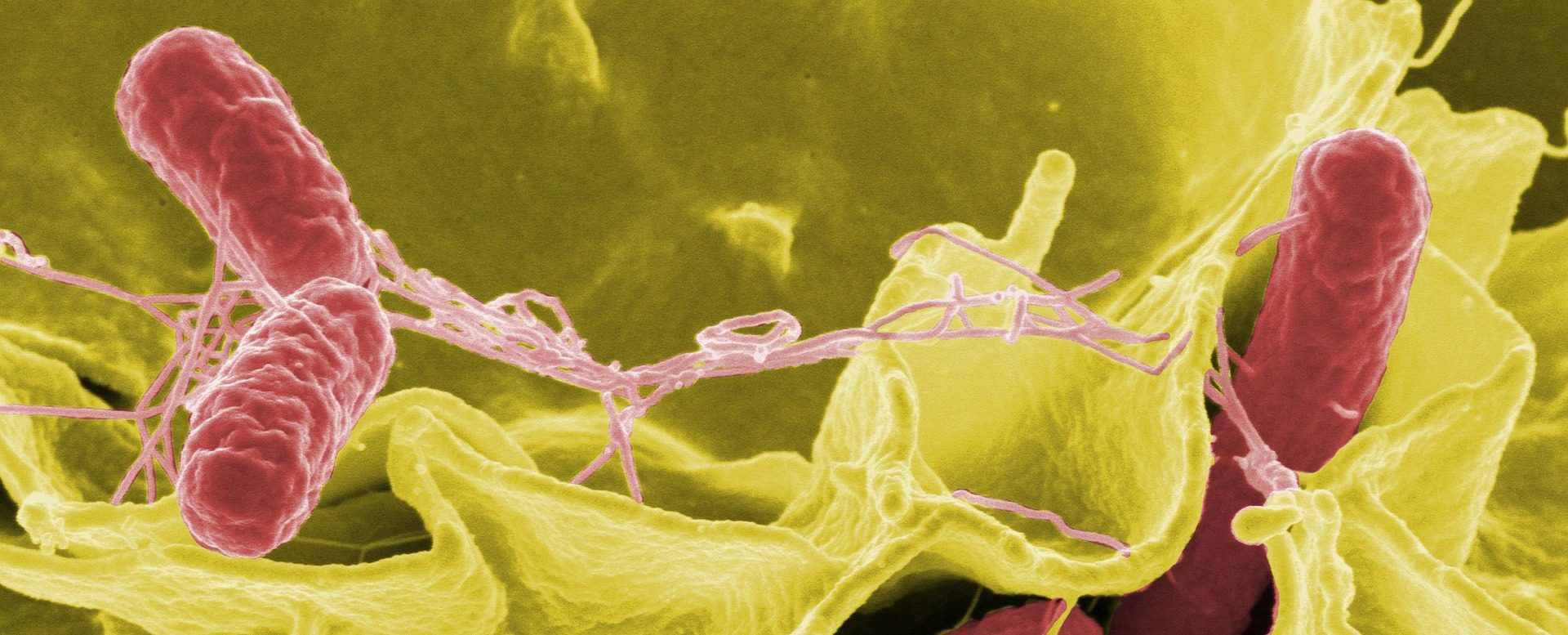
Researchers collected 18 water samples from locations known for recurring complaints about water quality. The samples were tested with the support of scientists from the Shri Ram Institute for Industrial Research. Laboratory analysis found that about 44% of the samples did not meet basic microbiological safety standards. Eight samples tested positive for total coliform bacteria or E. coli—organisms commonly used as indicators of faecal contamination. According to India’s drinking water standard IS 10500:2012, both total coliform and E. coli must be completely absent in 100 ml of drinking water.
Contamination Concentrated in Household Taps
The highest bacterial counts were reported in areas such as Rajouri Garden, Chilla Village, and Mayur Vihar Phase 3. In some cases, bacterial levels were so high that they exceeded even the bathing water guideline set by the Central Pollution Control Board. Interestingly, water from public supply points—including tankers, water ATMs, and institutional coolers—tested safe. This suggests that contamination may be occurring within local pipeline networks rather than at the main treatment source.
Ageing Infrastructure a Likely Cause
Experts point to old and corroded pipelines as a possible reason for the contamination. When water pressure drops, cracks in pipelines can allow nearby sewage lines to leak into the drinking water supply. With thousands of kilometres of pipelines in the city, decades old, such vulnerabilities can cause localised contamination even when the main water treatment system is functioning properly. Unsafe tap water is not just a water quality issue—it is also a food safety risk. Households routinely use tap water to cook food, wash produce, and clean utensils. If the water contains harmful bacteria such as E. coli, it can transmit pathogens that cause illnesses such as diarrhoea, jaundice, and gastrointestinal infections.
Need for Better Monitoring and Maintenance
The findings highlight the need for regular microbiological testing, timely pipeline repairs, and stronger monitoring of water distribution systems. Addressing these issues quickly can help prevent localised contamination from turning into larger public health problems. Safe drinking water remains a basic requirement for both public health and food safety, making infrastructure upkeep and quality monitoring essential.
Source: Hindustan Times