Food Manifest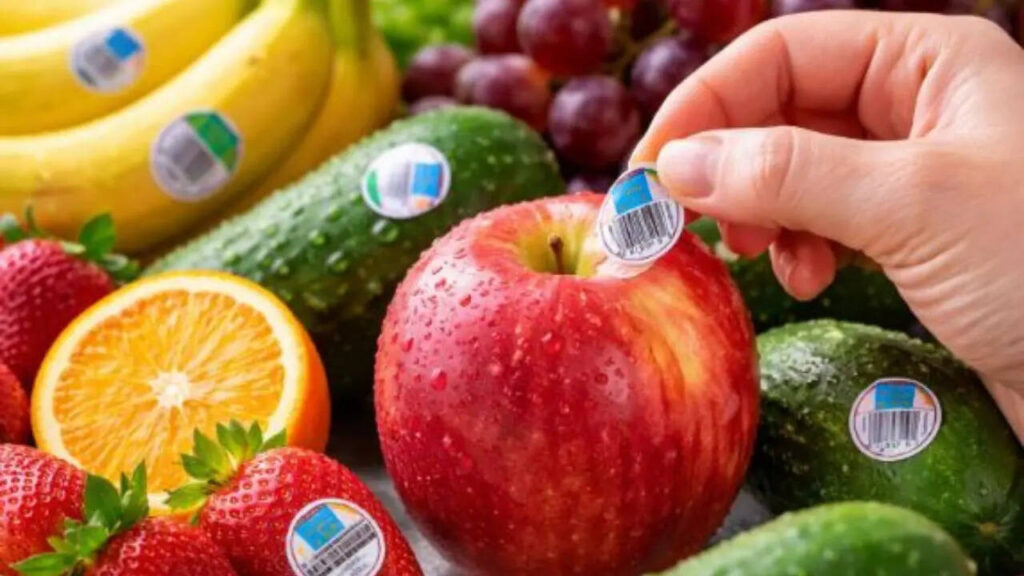
Key Update
The Food Safety and Standards Authority of India (FSSAI) has issued a fresh food safety advisory asking consumers not to eat fruits or vegetables with stickers on them. These labels may look harmless, but they can leave adhesive residue that people should not consume, and that may pose health risks.
FSSAI, which works under the Ministry of Health and Family Welfare, raised this concern in a recent Instagram post. It asked consumers to think twice before biting into fruits with stickers. The authority explained that although fruit and vegetable stickers are common, the adhesives used to attach them can leave residues that people should not ingest. To reduce risk and improve food hygiene, FSSAI advises consumers to remove the stickers and peel the portion of the fruit or vegetable where the sticker was attached before eating it.
Why Do Fruits Have Stickers?
Retailers place small stickers on fruits and vegetables mainly to identify the produce and simplify billing. These labels, known as PLU (Price Look-Up) codes, help supermarkets identify the type of fruit or vegetable and show whether it is organically grown or conventionally produced. They also help stores manage billing and inventory more efficiently.
However, experts point out that although manufacturers classify these stickers as food-grade, they do not design the adhesives and inks used in them for consumption. Manufacturers often use synthetic glue and printing inks that may contain chemical substances. The sticky surface can also trap dirt, pesticide residues, and bacteria from the outer skin of the fruit.
Potential Health Risks
People sometimes accidentally swallow small amounts of sticker residue without experiencing immediate harm. However, repeated exposure can cause concern. Children, in particular, often bite into fruits without removing the stickers first, which increases their chances of ingesting the residue. Health experts highlight several possible risks:
Chemical ingestion: Adhesives and printing inks can contain compounds that people should not consume.
Contamination risk: Stickers can trap dirt, bacteria, and pesticide residues present on the fruit’s surface.
Digestive irritation: These substances can irritate the throat and stomach and may cause indigestion, breathing discomfort, or vomiting in some people.
Experts also warn that when people regularly ingest non-food substances, they expose their bodies to unwanted chemicals. Even when manufacturers label adhesives as “food-grade,” they do not design them to be eaten.
What Consumers Should Do
Experts recommend several simple steps to reduce risk and maintain better food hygiene:
- Remove fruit and vegetable stickers before you eat or cut the produce.
- Peel the portion of the fruit or vegetable where the sticker was attached, if possible.
- Wash fruits and vegetables thoroughly under running water before you consume them.
- Soak them briefly in lukewarm water with a mild disinfecting solution, such as a small amount of 50 ppm chlorine, if needed.
- Store fruits and vegetables bought from shops in a designated place while they remain in their packets.
- Keep fruits and vegetables that require cooling in the refrigerator.
- Store other produce at room temperature in baskets or racks.
- Clean and sanitise the sink after you wash fruits and vegetables to maintain kitchen hygiene.