Food Manifest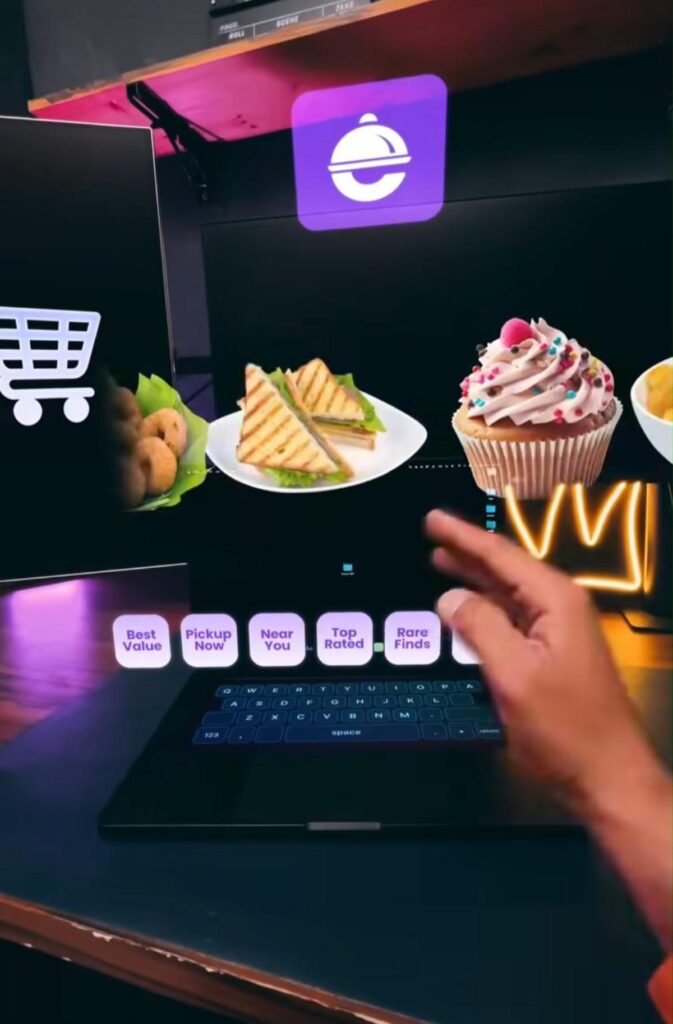
Key Update
Food waste remains one of India’s biggest paradoxes—while millions struggle with hunger, people discard tonnes of perfectly edible food every day. This gap has drawn growing attention to how the food sector handles surplus. During his time at IIM Nagpur, Mathews Martin noticed surplus food from the campus mess going to waste, even though nearby communities could have used it. That experience eventually sparked the idea for the Plenti app.
Surplus Food Redistribution Gains Attention
Plenti launched in Thiruvananthapuram in October 2025 and expanded to Kochi in March this year. The app connects consumers with restaurants, bakeries, and supermarkets that list surplus or unsold food at discounted prices—often up to one-third of the original cost. The platform focuses on safe, edible food that remains within its consumption window, not spoiled or unsafe food.
Link Between Food Waste and Food Safety
The initiative highlights a broader food system challenge. India generates an estimated 70 million tonnes of food waste annually, with food service establishments and retail outlets contributing a large share, even as food insecurity persists in many regions. This contrast has increased the focus on food redistribution and waste reduction.
Food Safety and Handling Practices
Such platforms follow basic food safety practices to manage surplus food responsibly. Vendors label each item with a “consume-by” time, packaging details, and food type. This improves traceability and helps consumers make safe, informed choices within defined time limits. The model also avoids home delivery. Customers collect orders directly, reducing extra handling and transport time and helping maintain food quality while lowering unnecessary emissions.
Restaurants and bakeries list most surplus food during peak waste-generation hours in the morning and evening. This allows vendors to redirect unsold food within safe consumption periods instead of discarding it or storing it beyond safe limits.
Part of a Wider Shift in Food Systems
Within a few months of launch, the Plenti app onboarded hundreds of vendors and reached over one lakh users in Kerala. Similar surplus food redistribution models continue to gain attention as part of wider efforts to reduce food waste and improve resource efficiency in urban food systems. Rather than focusing on a single solution, such initiatives reflect a broader shift toward structured surplus food management. They bring together waste reduction, consumer participation, and basic food safety practices to support more efficient and responsible food systems.
Source: The Hindu