Food Manifest
Key Update
As temperatures climb during summer, food safety has come under sharper focus following a suspected food poisoning incident involving a family in Mumbai. However, experts are urging people to pay closer attention to how they prepare, store, and consume food to prevent spoilage and infection during the summer.
Heat Accelerates Food Spoilage
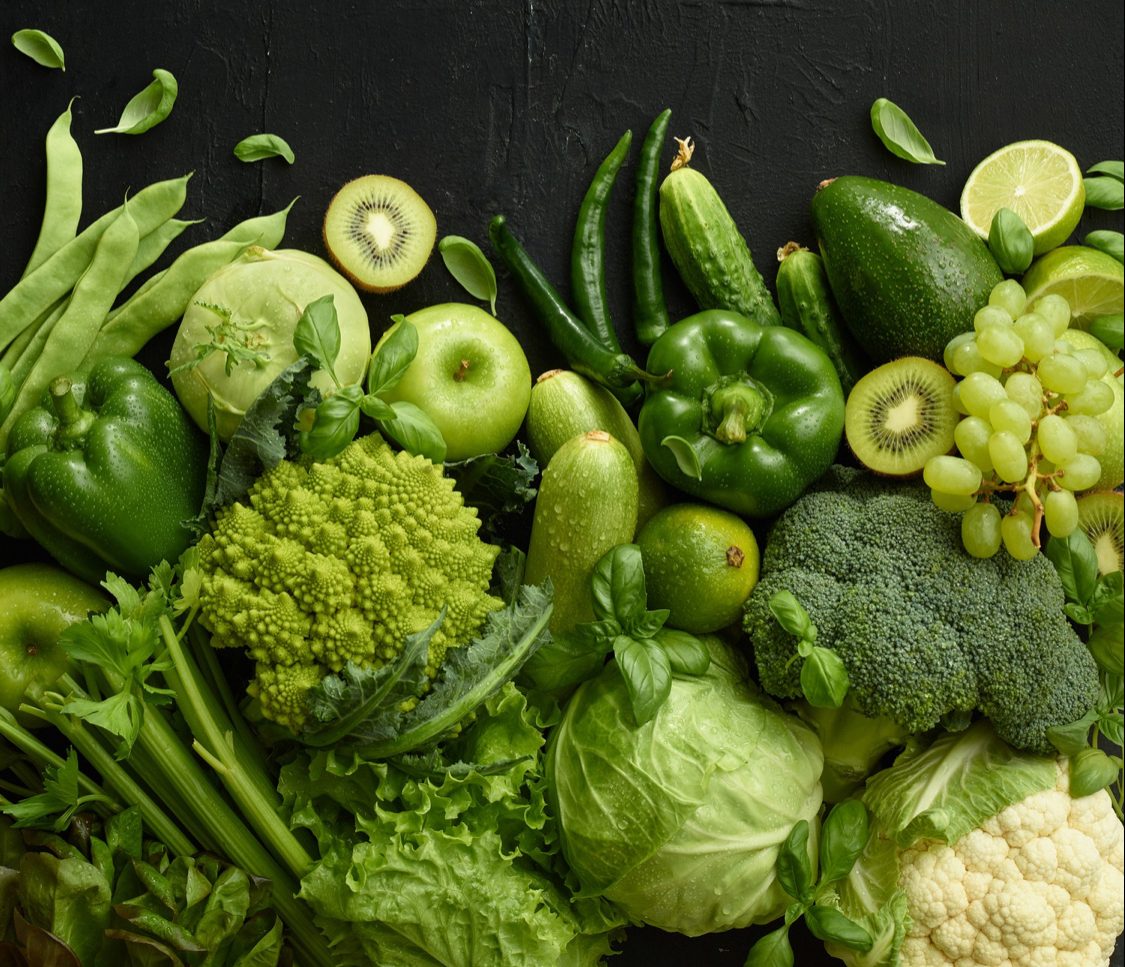
Warm temperatures and humidity create ideal conditions for bacterial growth. Experts warn that perishable items such as milk, curd, and paneer can spoil within hours if left unrefrigerated. Cooked foods, especially rice and leftovers, also become high-risk as bacteria like Salmonella and E. coli multiply rapidly in such conditions. Certain foods are more vulnerable during the summer. Fruits like berries, bananas, and cut melons spoil quickly, while leafy vegetables wilt and decay faster. Meat, poultry, and seafood require strict temperature control, and cream-based bakery items can go bad almost immediately if not stored properly.
Spotting Signs of Spoilage
Doctors advise people to watch for visible signs of contamination. Sour smell, curdling, or a slimy texture in dairy products indicate spoilage. Cooked rice and rotis should be discarded if they develop a foul smell, slimy surface, or visible spots. Experts recommend not leaving cooked rice at room temperature for more than two hours. Similarly, fruits and vegetables showing mushy patches, fermented odour, or mould growth should not be consumed.
Be Cautious with Street Foods and Juices
As many people turn to juices and tender coconut water to stay hydrated, experts highlight the importance of hygiene. Consumers should choose vendors who use clean equipment, fresh ingredients, and safe water. Avoid juices left uncovered, pre-cut fruits exposed to flies, and unclean serving glasses. Sugarcane juice should be freshly prepared, while tender coconut water is safest when vendors cut it open on the spot using clean tools.
Experts recommend maintaining refrigerator temperatures at around 5°C to slow bacterial growth. Store raw and cooked foods separately in covered containers to prevent cross-contamination. Avoid overcrowding the fridge, as proper air circulation is essential to keep food fresh.
Follow the ‘2-2-2’ Rule
A simple guideline can help reduce food safety risks:
- Do not leave cooked food at room temperature for more than two hours
- Consume refrigerated food within two days
- Avoid reheating food more than twice
Stay Alert This Summer
With rising temperatures, even small lapses in food handling can increase the risk of foodborne illness. By following basic hygiene and storage practices, people can significantly reduce the chances of contamination and stay safe during the summer months.
Source: The Times of India