Food Manifest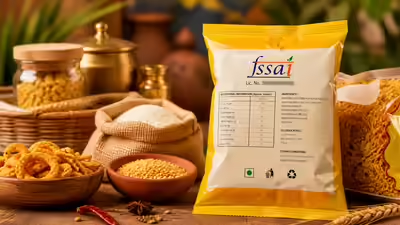
Overview
When a packet says “FSSAI Approved,” it often feels like a stamp of safety—as if the product has been personally checked and cleared by the regulator. But that’s not what it means.
Understand What the Label Actually Shows
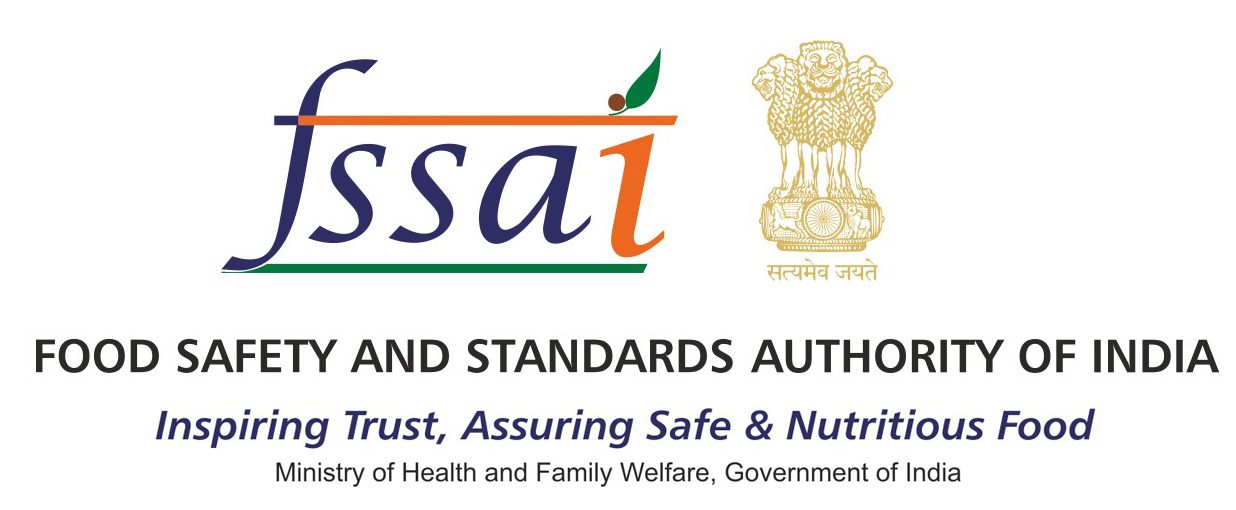
FSSAI requires packaged foods in India to display its logo and licence number. This is a compliance requirement, not a guarantee of health, quality, or safety. In simple terms, these details show that the business operates within the food safety regulatory system. They do not indicate that the product has been officially endorsed or certified as risk-free.
Follow the Rules Behind the Label
FSSAI clearly states that brands must not use its logo or licence number for promotional claims. Companies cannot present it as proof of superior quality. To ensure transparency, the rules require the logo and licence number to appear in a contrasting colour so consumers can read them easily. Labels must also carry details of the manufacturer, marketer, packer, or bottler—and for imported foods, the importer’s information. This information helps establish accountability, not brand superiority.
Know When “Approval” Actually Applies
The term “approval” can still be confusing because FSSAI uses it in specific regulatory contexts. For instance, non-standard or novel foods may require prior approval after a risk assessment. However, most everyday packaged foods made using permitted ingredients do not need separate approval. This means “approval” is context-specific—it does not apply universally to every product on the shelf.
Check the Details That Truly Matter
So, instead of relying on a vague “approved” claim, read the label more carefully. Look for the licence number, batch details, manufacturing date, and expiry or best-before date. These details give you practical information about freshness, traceability, and responsibility. If something seems off, they help you identify who made the product and when.
Treat It as a Compliance Cue, Not a Guarantee
The safest way to read “FSSAI Approved” is this: the product falls under India’s food safety framework, but the phrase itself does not promise purity, nutrition, or absolute safety. So the next time you see it on a packet, don’t treat it as a shortcut to trust. Treat it as a starting point—and read the rest of the label before you decide.
Source: Times Entertainment