Food Manifest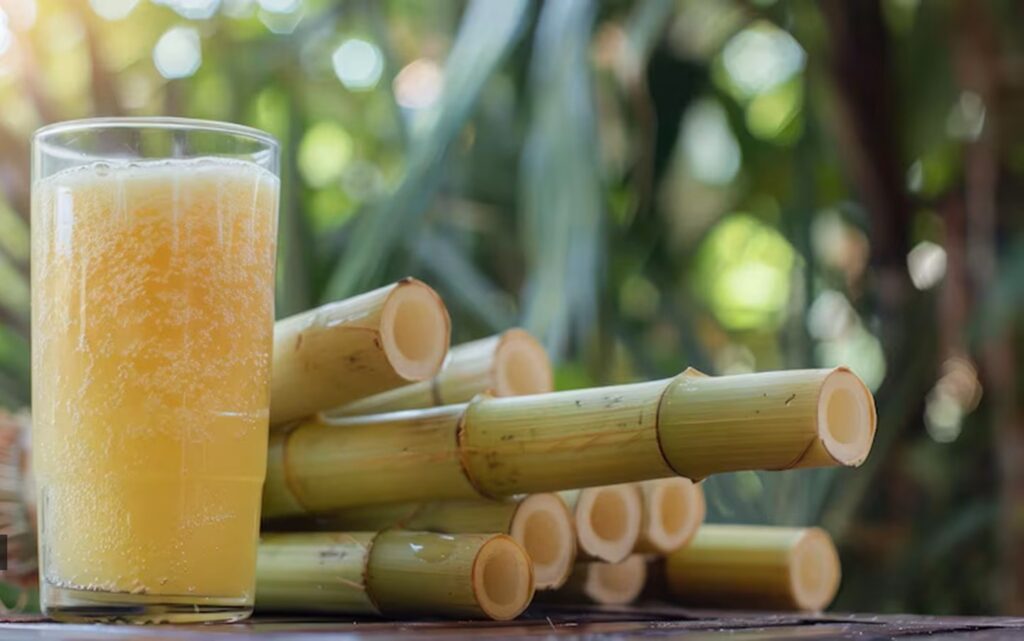
As temperatures rise, so does our craving for fresh, cooling drinks. From lime juice and watermelon juice to sugarcane juice and buttermilk, summer pushes people to consume more liquids throughout the day. These drinks may look refreshing and healthy—but they also come with a hidden risk that many people overlook: the safety of the water used in them. Unlike cooked food, fresh juices do not go through any heating process. No step kills harmful microbes. This means that if contaminated water is used at any stage, the risk passes directly to the consumer.
Where the Risk Begins
Water plays a bigger role in juice preparation than most people realise. It is used to wash fruits, dilute juices, clean equipment, and make ice. If this water is not safe, it can introduce harmful microorganisms into the drink. Even when fruits are fresh, contamination can happen through:
- Ice made from untreated water
- Water added to increase volume
- Unclean storage containers
- Poor hand hygiene during preparation
In many cases, the issue is not the fruit—it is the water behind the counter.
The Link to Jaundice
Contaminated water can carry viruses such as Hepatitis A and Hepatitis E. These infections spread through unsafe food and water and can affect the liver. One common outcome is jaundice, where a person may experience:
- Yellowing of the eyes and skin
- Fatigue
- Nausea and loss of appetite
While outbreaks are more common during the monsoon due to large-scale water contamination, summer habits—like frequent consumption of juices and iced drinks – can still expose people to these infections.
Why the Risk Increases in Summer
Summer creates the perfect conditions for contamination:
- High temperatures allow microbes to multiply faster
- Demand for drinks increases, leading to shortcuts in hygiene
- More dependence on street beverages and ready-to-drink options
When safety practices don’t keep up with demand, the chances of contamination increase.
Simple Ways to Stay Safe
You don’t have to stop enjoying summer drinks. But a few precautions can reduce your risk significantly:
- Avoid ice unless you are sure it is made from safe, treated water
- Prefer freshly prepared juices without added water
- Observe basic hygiene—clean surroundings, covered containers, proper handling
- Choose vendors who use filtered or packaged water
- When in doubt, opt for whole fruits instead of cut or juiced versions
For Food Businesses and Vendors
Those preparing and selling beverages play a critical role in preventing contamination. Safe practices include:
- Using only potable water for washing, dilution, and ice
- Cleaning and sanitising equipment regularly
- Maintaining personal hygiene during handling
- Avoiding the reuse of leftover or stored juice
- Ensuring proper storage of water and ingredients
The Bottom Line
Fresh juices are a staple of summer, but their safety depends heavily on the quality of water used. Without proper care, what looks like a healthy choice can become a source of infection. Paying attention to water safety—whether at home or outside—can go a long way in preventing illnesses, including jaundice. In summer, staying hydrated is important, but staying safe is just as essential.