Food Manifest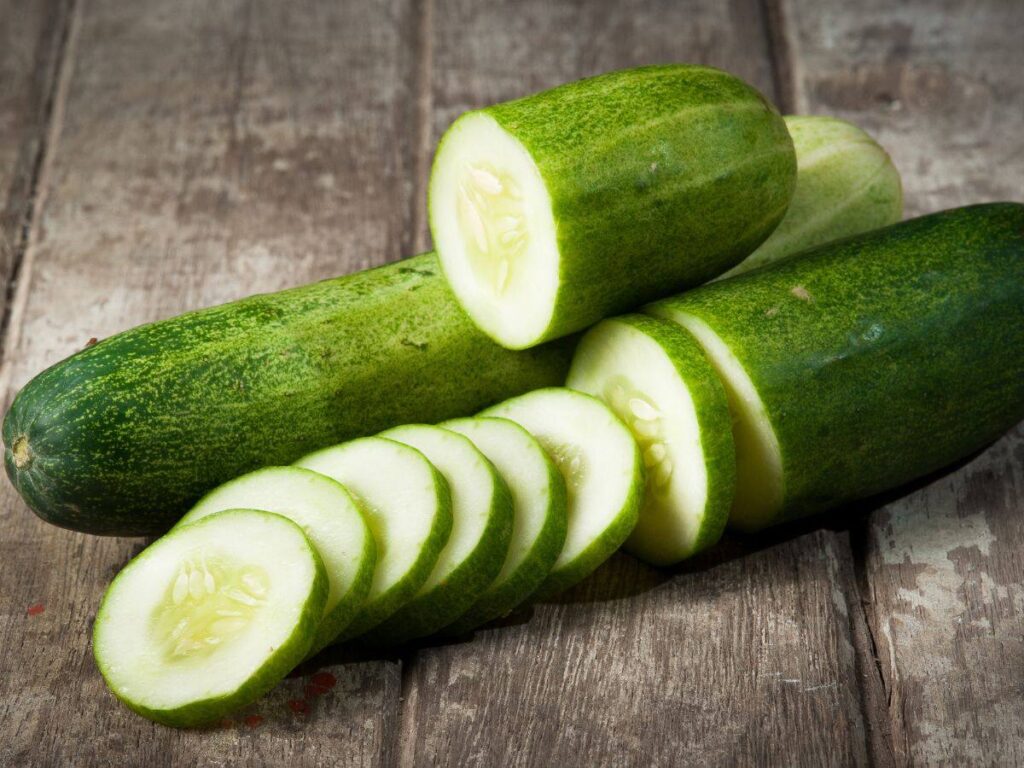
Overview
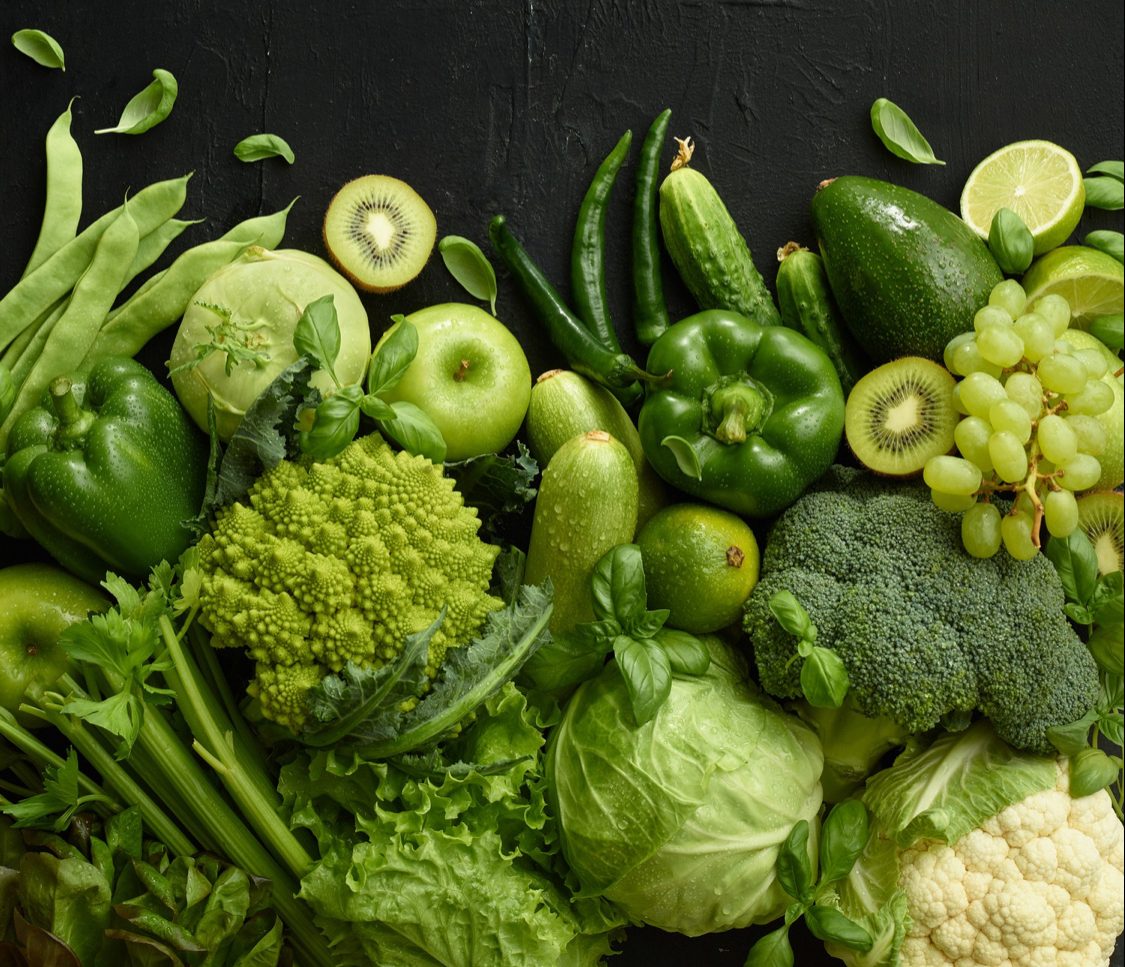
Cucumber is one of the most widely consumed summer vegetables in India. People eat it raw in salads, sandwiches, juices, and side dishes because it feels light, cooling, and refreshing. Since cucumber contains nearly 96% water, it helps the body stay hydrated during hot weather.
Apart from hydration, cucumber also provides nutrients such as vitamin K, vitamin C, potassium, magnesium, and fibre. It’s high water and fibre content support digestion and may help reduce bloating. The antioxidants present in cucumber, including flavonoids and cucurbitacins, may help reduce inflammation and protect cells from damage. Because of these benefits, the cucumber is often seen as a healthy everyday food. However, a recent viral incident has raised concerns about cucumber adulteration and how safe it is for consumers.
Viral Video Shows Cucumbers Dipped in Green Liquid
A shocking video from Katihar railway station recently went viral on social media. The clip allegedly showed women vendors dipping pale cucumbers into a green-coloured liquid before selling them to passengers. Reports suggest the vendors used the liquid to make the cucumbers appear fresher and greener.
The incident reportedly took place openly on railway platforms, triggering widespread concern among consumers about food safety and hygiene. Soon after the video surfaced online, authorities began investigating the matter. Reports say the Railway Protection Force (RPF) detained nine women vendors for questioning in connection with the incident.
Why This Is Alarming
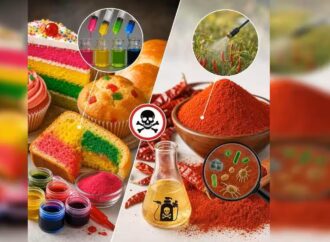
Fresh fruits and vegetables naturally lose colour and moisture over time. Some dishonest vendors allegedly use artificial colours or chemicals to make old or damaged produce look fresh. Food experts believe the green liquid seen in the viral video could contain harmful dyes or colouring agents. Although officials have not yet confirmed the exact substance, experts suspect the use of chemicals such as malachite green, a synthetic dye sometimes illegally used on vegetables to enhance colour.
What FSSAI Rules Say
The Food Safety and Standards Authority of India (FSSAI) does not permit the use of colours on fresh fruits and vegetables under the Food Safety and Standards (Prohibition and Restrictions on Sales) Regulations, 2011. Artificial dyes used on produce may contain harmful substances such as malachite green, rhodamine B, Sudan dyes, or copper sulphate. These chemicals are unsafe for direct consumption and may pose serious health risks.
Possible Health Risks
Experts warn that consuming vegetables treated with harmful chemicals may lead to nausea, vomiting, stomach pain, and allergic reactions, especially in children and sensitive individuals. Long-term exposure to certain chemical dyes may also affect the liver and kidneys. The viral cucumber incident has once again highlighted the growing issue of food adulteration in fresh produce. It also serves as a reminder for consumers to wash vegetables properly and stay alert while buying cut or peeled produce from public places.