Food Manifest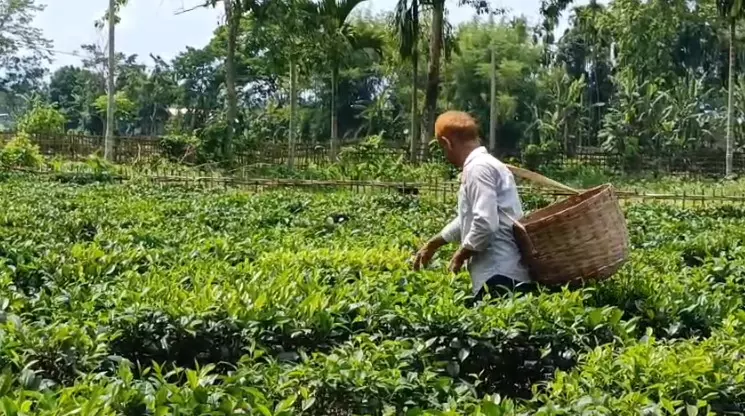
Key Update
Nearly half of the packet tea samples tested across India over the past two years failed food safety standards, according to information obtained through a Right to Information (RTI) application. The findings have raised fresh concerns about tea quality, pesticide residues, and compliance with food safety regulations.
Almost 1,550 Samples Failed Quality Tests
The RTI response, from the Tea Board, revealed that:
- During 2024–25, authorities tested 1,423 packet tea samples, and 711 failed food safety and quality checks.
- During 2025–26, they tested 1,764 samples, of which 835 failed.
Together, 1,546 out of 3,187 samples failed, meaning nearly one in every two tested tea packets did not meet the required standards.
Tea Board Withholds Brand Names
The RTI application also requested the names of the brands, manufacturers, and packeteers whose products failed the tests.
However, the Tea Board declined to disclose the information, stating that the details relate to third parties and are exempt from disclosure under Section 8 of the RTI Act. When asked about the action taken against manufacturers whose products failed, the Board stated only that it had taken action “as per extant rules of the Control Orders” without providing further details.
Why Did the Samples Fail?
According to official sources, the main reasons for failure included:
- Pesticide residues exceeding the prescribed Maximum Residue Limits (MRLs)
- Presence of non-permitted chemicals
- Misleading or incorrect labelling
These issues continue to affect both domestic food safety and India’s reputation in international tea markets.
Quality Concerns Extend Beyond Testing
Industry sources allege that some packeteers blend CTC tea with lower-grade leaf tea and dust tea before marketing the final product under different brand names. Such practices can compromise product quality and consumer confidence. The concerns are particularly significant because major FMCG companies and their vendors purchase more than 20% of the tea, including dust grades, sold through the Guwahati Tea Auction Centre.
Industry and Regulators Seek Solutions
Over the past two years, stakeholders across the tea industry—including buyers, sellers, Bought Leaf Factory (BLF) associations, small tea growers, research organisations, the Tea Board, and the Food Safety and Standards Authority of India (FSSAI)—have held several discussions to strengthen tea quality standards.
Industry sources say the government has agreed to revise the Maximum Residue Limits (MRLs) for the pesticides imidacloprid and acetamiprid, which are responsible for a large share of tea sample failures. Officials expect the revised limits to help more tea consignments comply with food safety requirements once the formal notification is issued.
Why It Matters
Tea is one of India’s most widely consumed beverages and a major export commodity. High failure rates in food safety testing highlight the need for stronger quality control, responsible manufacturing practices, and greater transparency to maintain consumer trust and protect India’s reputation in global markets.
Source: The Assam Tribune