Food Manifest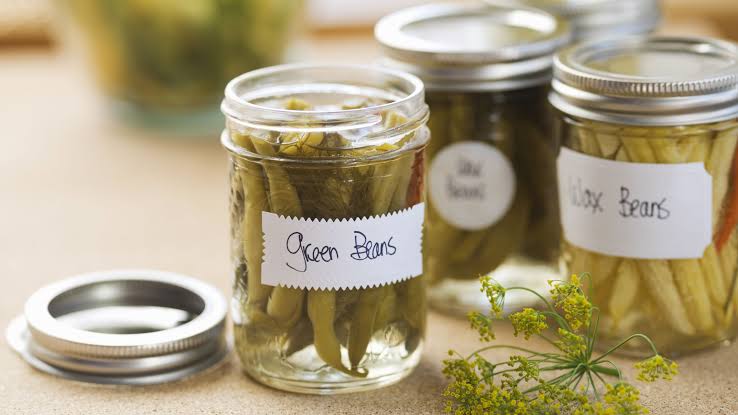
What is Botulism?
Botulism is a rare but serious illness that affects the nervous system. It is caused by botulinum neurotoxin, a powerful toxin produced by Clostridium botulinum and, less commonly, related bacteria. The toxin disrupts communication between nerves and muscles, which can lead to progressive muscle weakness, paralysis and, in severe cases, breathing difficulties.
Several forms of botulism exist, including foodborne, wound, infant and iatrogenic botulism. Foodborne botulism occurs when a person eats food containing botulinum toxin.
Clostridium spores occur naturally in the environment and are highly resistant. Their presence alone does not make food dangerous. The concern begins when conditions allow the spores to grow into bacteria and produce toxin. Low-oxygen environments, low acidity, suitable temperatures and sufficient moisture can create conditions that support toxin production.
What are the Symptoms of Botulism?
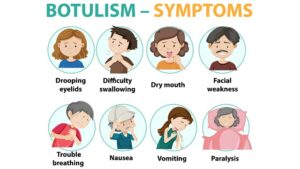
Symptoms of botulism primarily affect the nervous system. They can include:
- Blurred or double vision
- Drooping eyelids
- Difficulty swallowing
- Slurred speech
- Muscle weakness
- Difficulty moving the eyes
- Dry mouth
- Difficulty breathing
Foodborne botulism can also cause nausea, vomiting, stomach pain and diarrhoea. Symptoms may develop over hours to several days and do not necessarily appear all at once.
Botulism can become life-threatening when the toxin affects the muscles needed for breathing. It is a medical emergency, and anyone with symptoms that could indicate botulism should seek immediate medical attention. Antitoxin treatment can prevent further damage from the toxin, making early treatment important.
Which foods can cause foodborne botulism?
Foodborne botulism can occur when food is improperly processed, preserved, stored or fermented. Commonly linked foods include improperly home-canned vegetables, meats and fish, as well as certain fermented or preserved foods.
Low-acid foods are particularly important because they can provide conditions suitable for C. botulinum growth if they are not processed correctly. Foods such as vegetables, meats, poultry, fish and seafood are among the low-acid foods that require particular care during home canning.
However, the risk does not come from a particular food alone. How the food is processed and stored matters just as much.
Why does food preservation matter?
Food preservation methods can sometimes create an environment that allows C. botulinum to grow if the process is not properly controlled.
Factors such as acidity, temperature, moisture, salt and oxygen availability influence whether the bacteria can grow and produce toxin. Improperly canned, preserved or fermented foods can provide the right conditions for toxin production.
Low-acid foods deserve particular attention. When these foods are canned incorrectly, the process may fail to control the spores effectively. For home canning, pressure canning is the recommended method for low-acid foods because ordinary boiling-water canning does not provide sufficient protection against botulism.
This is why people should not rely on traditional preservation practices simply because they have used them for years. Safe preservation requires tested methods and appropriate processing conditions.
Can contaminated food look normal?
This makes botulism particularly challenging: contaminated food may not look, smell or taste spoiled.
Some unsafe containers may show warning signs such as swelling, leaking, damage or unusual changes. However, the absence of these signs does not guarantee that food is safe.
Consumers should therefore never taste food simply to check whether it has spoiled. The botulinum toxin cannot be seen, smelled or tasted, and even a small taste of contaminated food can be dangerous.
Instead, pay attention to how food was processed, preserved and stored. If you do not know whether preserved food was prepared safely, the safer choice is to discard it.
How can consumers prevent botulism?
Because improper processing and preservation can create conditions that allow toxin production, prevention starts with safe food handling.
Use tested preservation methods: When canning or preserving food at home, follow scientifically tested recipes, processing times and temperatures. Do not improvise preservation methods.
Take extra care with low-acid foods: Vegetables, meats, poultry, fish and seafood require appropriate processing methods when preserved at home. Pressure canning is recommended for low-acid foods.
Follow storage instructions: Store preserved and perishable foods under the conditions recommended for them. Refrigerate foods that require refrigeration.
Check containers before eating: Avoid food from containers that are leaking, bulging, swollen, cracked, damaged or otherwise abnormal.
Never taste questionable food: Do not taste preserved food to determine whether it is safe.
When in doubt, throw it out: If you do not know how food was processed, preserved or stored, it is safer not to eat it.
A rare but serious food safety lesson
Botulism remains uncommon, but its potentially severe consequences make it an important food safety concern. More importantly, it demonstrates why we cannot always judge food safety with our senses.
Food may not look spoiled, smell unusual or taste different and still pose a serious risk. Safe food preservation therefore depends on controlling the conditions that allow harmful microorganisms to grow and produce toxins.
For consumers who preserve food at home, that means following tested methods and respecting recommended processing and storage conditions. For food businesses, it means maintaining validated processes, appropriate temperature controls and effective food safety systems.
Ultimately, preventing botulism starts long before food reaches the plate. Safe processing, proper preservation and responsible storage can help keep this hidden food safety risk from becoming a serious health threat.