Food Manifest
Key Update
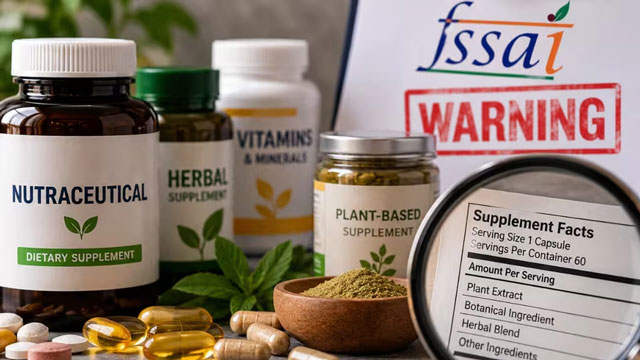
FSSAI has reminded food businesses to display mandatory warnings, declare plant parts, and follow permitted usage limits for botanical ingredients in regulated food products.
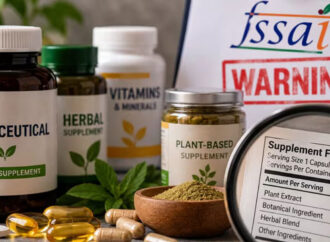
The Food Safety and Standards Authority of India (FSSAI) has issued an advisory dated 15 October 2026, directing Food Business Operators (FBOs) to comply with labelling requirements for products containing plant and botanical ingredients or their extracts. The advisory, issued by FSSAI’s Regulatory Compliance Division, covers health supplements, nutraceuticals, foods for special dietary use (FSDU), foods for special medical purposes (FSMP), and other regulated food categories. It aims to improve labelling transparency and strengthen consumer safety.
Key Highlights of the Advisory
Mandatory Warning Statements
FSSAI has observed that several FBOs fail to comply with prescribed labelling requirements and cautionary statements for botanical ingredients listed under Schedule IV of the applicable regulations. Manufacturers must display the relevant warnings and disclaimers whenever they use the specified ingredients or extracts.
Declaration of Plant Parts
FBOs must declare the plant parts used in their formulations wherever the regulations require it. Different parts of the same plant may have different permitted uses and safety considerations.
Botanical Ingredients Requiring Cautionary Statements
Annexure I lists botanical ingredients, their permitted usage ranges and associated warnings. Examples include:
- Neem (Azadirachta indica): Specified leaf and fruit preparations carry warnings for individuals planning to conceive. Neem fruit preparations also carry a warning for children below five years.
- Papaya (Carica papaya): Specified unripe fruit and leaf preparations carry warnings against use during pregnancy.
- Coleus (Coleus forskohlii): The specified preparation carries a warning against use by children below five years.
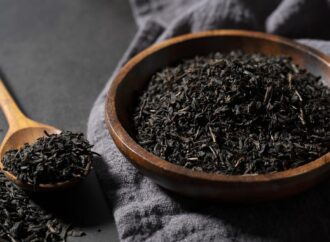
- Coffee (Coffea arabica / Coffea robusta): The specified seed preparation carries a warning against use by children below five years.
- Snuhi (specified Euphorbia species): The specified fresh leaf preparation carries warnings for children below five years and pregnant women.
- Hibiscus (Hibiscus rosa-sinensis): The specified flower preparation carries a warning against use during pregnancy.
These examples are illustrative. Manufacturers must consult the complete Annexure I for all applicable warnings and requirements.
Permitted Usage Limits
Manufacturers must verify the permitted quantity, plant part, preparation form and associated warnings for each botanical ingredient before finalising product formulations and labels. The specified adult usage limits are regulatory requirements, not general recommendations for self-medication.
Review of Labels and Formulations
FSSAI has directed FBOs to review their existing labels and formulations for compliance with the Food Safety and Standards Act, 2006, and applicable regulations.
Regulatory Consequences
The advisory warns that non-compliance may attract regulatory action. It refers to Section 23 of the Food Safety and Standards Act, 2006, and identifies Section 52 in connection with violations of applicable labelling requirements.
What Should Food Businesses Do?
FBOs should:
- Review labels of products containing botanical ingredients or extracts.
- Verify plant names and plant-part declarations wherever required.
- Include all applicable cautionary statements listed in Annexure I.
- Ensure formulations comply with permitted usage limits.
- Check product claims against applicable regulations.
- Maintain formulation records, approved labels and compliance documentation.
- Ensure imported products meet Indian food safety and labelling requirements.
The FSSAI advisory dated 15 October 2026 reinforces the need for accurate botanical ingredient labelling. Food businesses should review their products against the applicable regulations and Annexure I to ensure that all required declarations and warnings are in place.
Source: Foodtech Network