Food Manifest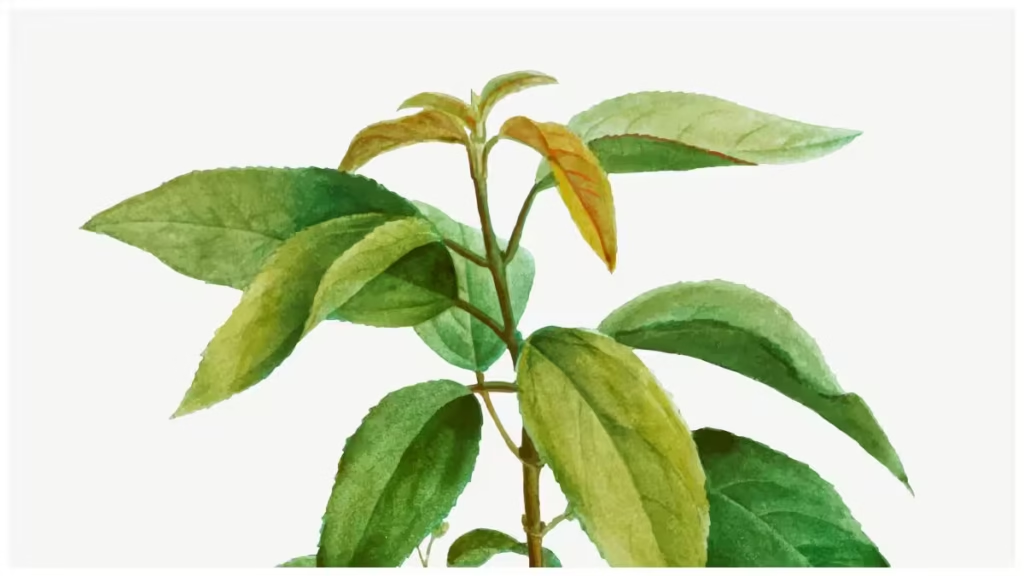
Key Update
The Food Safety and Standards Authority of India (FSSAI) has clarified that manufacturers may use only the roots and root extracts of Ashwagandha (Withania somnifera) in specified product categories, within prescribed limits, and has explicitly prohibited the use of leaves in any form. However, FSSAI has identified that some manufacturers continue to use Ashwagandha leaves. In response, it has directed all Food Business Operators (FBOs) to ensure strict compliance. It has warned that it will take action under the Food Safety and Standards Act, 2006, against any violations.
Regulations and Enforcement
To strengthen enforcement, FSSAI has instructed state food safety commissioners, licensing authorities, and officers to maintain strict vigilance. At the same time, it has reiterated that manufacturers must follow the 2016 regulations, which permit only listed botanicals—where Ashwagandha roots, not leaves, are approved. This move also aligns with the Ministry of AYUSH, which had earlier directed manufacturers to use only Ashwagandha roots and their extracts. Despite these directions, authorities continue to observe misuse of leaves across the industry.
Safety Concerns Behind the Ban
Importantly, regulators based this restriction on safety evaluations. Studies show that Ashwagandha leaves may contain higher levels of certain bioactive compounds, such as withaferin-A, which may pose health risks, including liver-related issues and gastrointestinal disturbances.
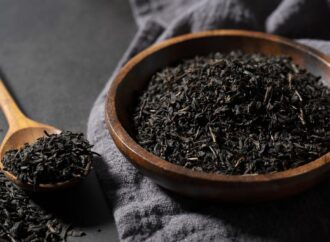
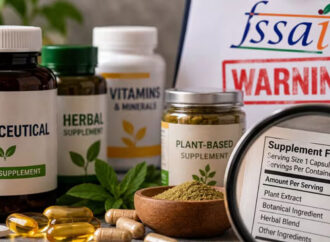
As a result, this directive is likely to impact the growing nutraceutical sector, where manufacturers widely use Ashwagandha in products such as capsules, powders, teas, and functional beverages. FSSAI has therefore urged manufacturers to review formulations, verify sourcing, ensure accurate labelling of the plant part used, and update documentation to remain compliant.
Source: Livemint