Food Manifest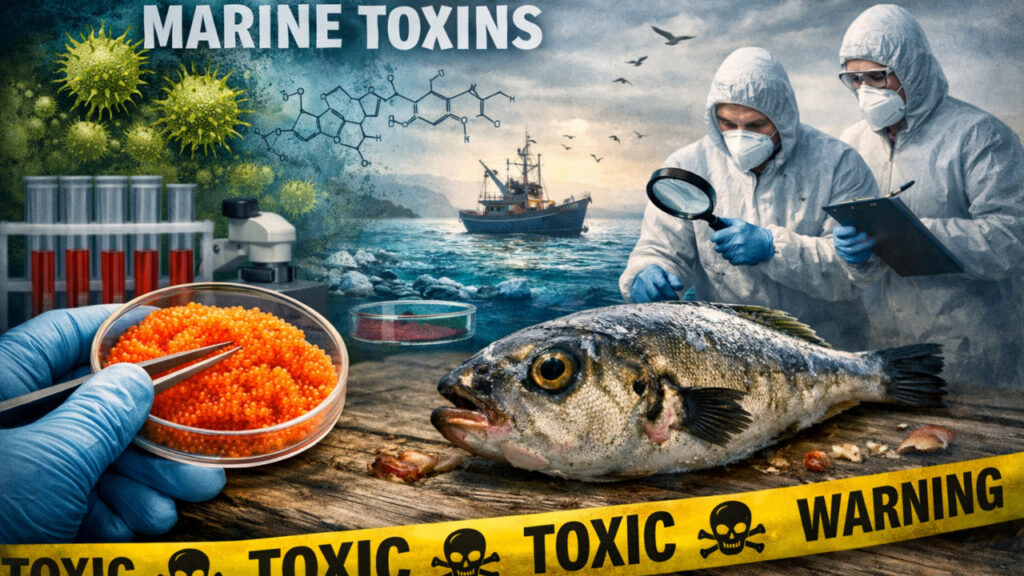
Key Update
Food safety officials in Kerala have warned consumers to exercise caution while purchasing and consuming fish species that can accumulate marine biotoxins. The advisory follows an incident in Charumoodu, Nedumangad taluk, where five family members reportedly fell ill after eating red snapper, locally known as Chemballi.
After consuming the fish, the family developed gastrointestinal discomfort, itching, weakness, and allergic reactions, and remained hospitalised for several days. According to resident Vipin Raj, they had purchased the fish from a shop in Mukkolackal.
Samples Sent for Laboratory Analysis
Officials investigating the incident said preliminary findings suggest that the fish was not spoiled. Food Safety Department personnel collected samples and sent them to the Central Institute of Fisheries Technology (CIFT), Kochi, for detailed analysis. The investigation has traced the source of the fish to Kanyakumari in Tamil Nadu. Authorities said further action will depend on the laboratory findings.
Marine Toxins May Accumulate in Predatory Fish
According to Dr Pooja, Food Safety Inspector under the Aruvikkara circle, red snapper is among several predatory fish species that can naturally accumulate marine toxins through the food chain. The toxins originate from certain marine algae and gradually build up as larger fish consume smaller organisms. Officials noted that red snapper can accumulate ciguatoxin, a marine neurotoxin associated with ciguatera fish poisoning. Unlike bacterial contamination, ciguatoxin cannot be destroyed by cooking, freezing, or other food preparation methods.
Contaminated Fish May Appear Normal
Food safety officials said fish containing marine toxins may show no visible signs of spoilage and can appear, smell, and taste normal. Symptoms of ciguatera fish poisoning can develop within hours of consumption and may include nausea, vomiting, diarrhoea, abdominal pain, numbness, tingling sensations, muscle weakness, dizziness, and allergic reactions. Officials also pointed out that harmful algal blooms, commonly known as “red tides,” can increase the risk of toxin accumulation in certain marine fish species.
Consumers Advised to Remain Vigilant
Arshitha Basheer, Food Safety Officer attached to the Deputy Commissioner’s office in Nedumangad, advised consumers to remain cautious when purchasing fish species known to accumulate marine biotoxins. Officials particularly urged caution during the monsoon lean season, when the availability of commonly consumed fish such as sardines and mackerel declines, prompting some consumers to opt for alternative fish varieties.
Source: The Hindu