Food Manifest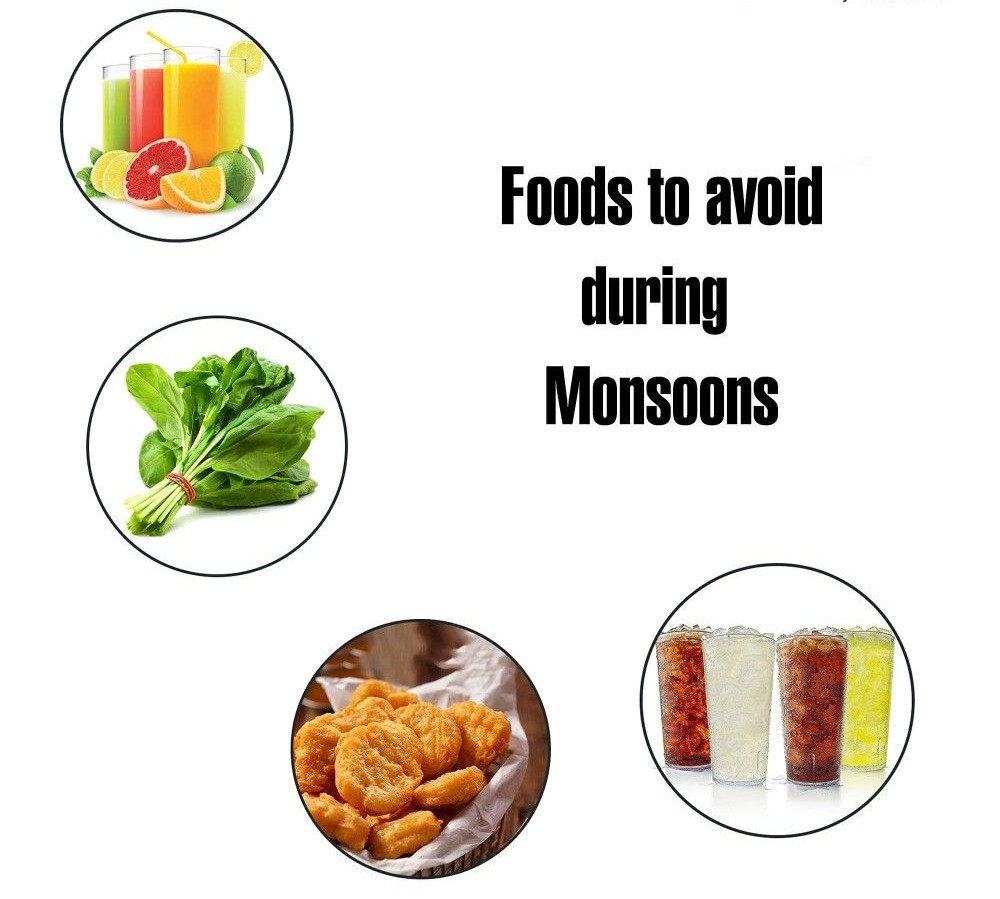
Overview
After the scorching summer, the arrival of the monsoon brings much-needed relief. However, the rainy season is also a time when various illnesses become more common. This makes it especially important to pay extra attention to your health.
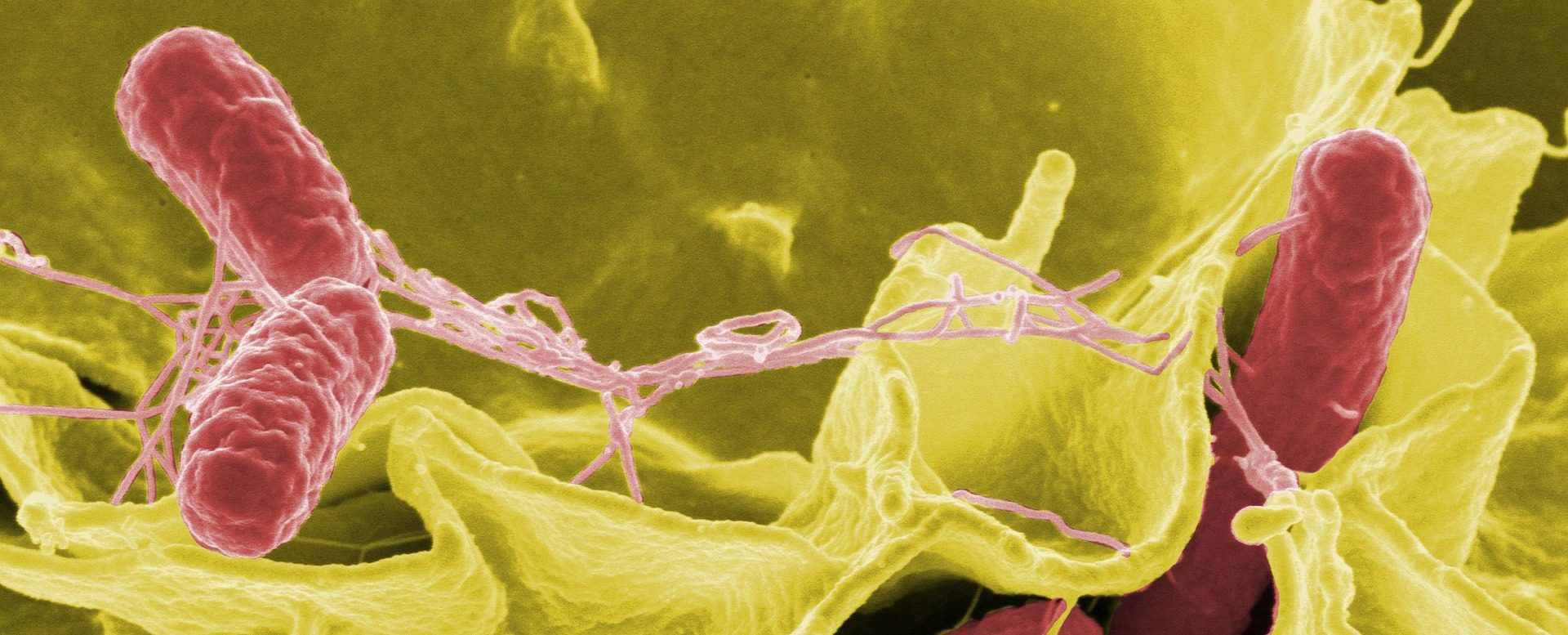
Bacteria, viruses, and fungi thrive during this period. Increased humidity, stagnant water, and fluctuations in temperature can raise the risk of digestive problems, infections, and food contamination. Health experts therefore recommend being more careful about the foods we choose to eat during the monsoon. Here are some foods that should be consumed with caution to maintain good gut health.
Street Food
Monsoon weather often makes foods such as chaat, golgappa (pani puri), and various types of pakodas especially tempting. However, eating food from roadside stalls during the rainy season may not be the best choice.
Street foods are more likely to become contaminated during the monsoon. The use of unclean water, improper food handling practices, and exposure to moisture can all contribute to contamination. Since these foods are often prepared and stored in open environments, bacteria can multiply easily, increasing the risk of stomach infections, diarrhoea, and food poisoning.
Leafy Greens
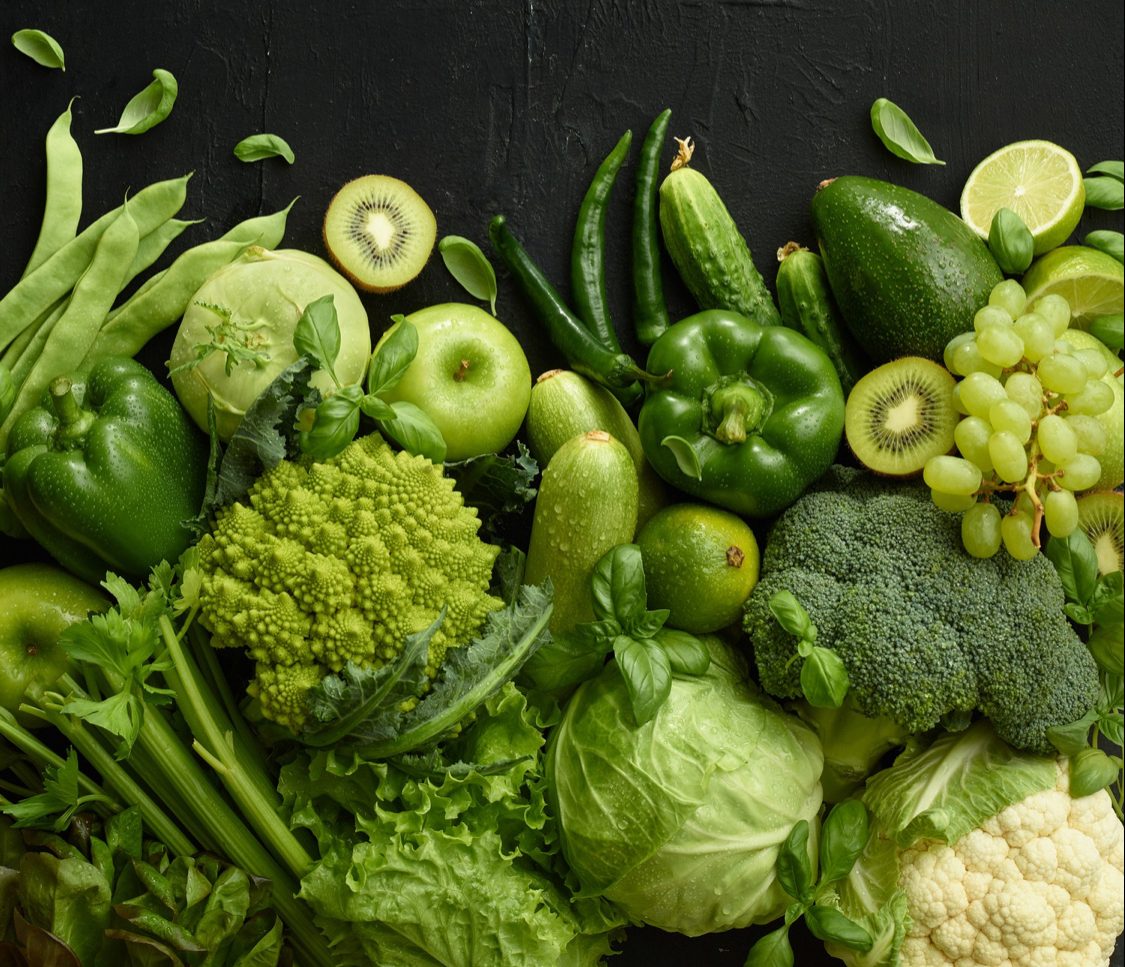
Leafy vegetables such as spinach, lettuce, cabbage, and fenugreek leaves can accumulate moisture, dirt, and insects during the rainy season. The damp weather creates favourable conditions for the growth of microorganisms. Although these vegetables are highly nutritious, it is important to wash them thoroughly before cooking. Experts also recommend avoiding raw leafy greens during the monsoon and consuming them only after proper cooking.
Cut Fruits
Fruits are healthy, but it is advisable to avoid pre-cut fruits sold by roadside vendors during the rainy season. These fruits may have been left exposed for long periods and can attract flies and harmful bacteria. If you want to eat fruits, wash them thoroughly and cut them at home just before consumption.
The monsoon season coincides with the breeding period of many fish and marine species. In addition, high humidity and handling conditions can cause seafood to spoil more quickly. Food safety experts advise consumers to be cautious when eating seafood during this period. Ensure that seafood is purchased from reliable sources and cooked thoroughly before consumption.
Deep-Fried Foods
Samosas, chips, pakodas, and various fried snacks are popular comfort foods during the rainy season. However, frequent consumption of these foods can put additional strain on the digestive system. Foods high in oil slow down digestion and may lead to bloating, acidity, and digestive discomfort. Reduced physical activity during the monsoon can further contribute to slower digestion.
Raw Salads
Uncooked vegetables may contain harmful microorganisms if they are not washed properly. During the rainy season, the risk of contamination increases due to polluted water, improper storage, and muddy surroundings. To reduce the risk of stomach infections, nutritionists recommend lightly cooking vegetables instead of consuming raw salads during the monsoon.
Unpasteurised Dairy Products
Milk and dairy products can spoil more easily in humid weather if they are not refrigerated properly. Consuming contaminated dairy products may increase the risk of digestive problems. Purchase dairy products only from trusted sources and pay attention to the conditions under which they are stored. Freshly prepared curd and yoghurt are generally safer choices.
Maintain Good Food Hygiene
Choosing the right foods is only part of staying healthy during the monsoon. Maintaining good food hygiene is equally important. Drink safe and clean water, wash fruits and vegetables thoroughly, and avoid consuming food that has been left uncovered for long periods. Warm soups, seasonal fruits, cooked vegetables, and probiotic-rich foods such as yoghurt can support digestive health and help you stay healthy throughout the rainy season.
Source: Manoramaonline