Food Manifest
Most people associate food safety with cooking temperatures, good hygiene, and the proper handling of raw ingredients. While these practices play an important role, many people overlook another critical aspect of food safety: how they handle food after cooking.
As food cools, it passes through a temperature range known as the “Danger Zone”—between 5°C and 60°C. This temperature range creates ideal conditions for many disease-causing microorganisms to grow and multiply. In many households, people leave food within this range longer than intended while serving, cooling, transporting, or storing it. By understanding the danger zone, we can make safer food storage decisions and better protect food from contamination after preparation
What Is the Danger Zone?
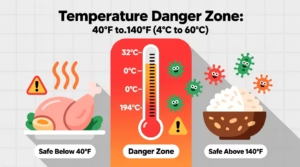
The Danger Zone refers to temperatures between 5°C and 60°C, where bacteria can multiply rapidly when suitable conditions are available. Microorganisms need three basic things to grow:
- Food or nutrients
- Moisture
- Suitable temperatures
Many cooked foods naturally provide all three. Curries, rice dishes, cooked vegetables, gravies, dairy products, meat dishes, and egg-based preparations contain nutrients and moisture that support bacterial growth. When these foods remain within the danger zone for extended periods, bacterial populations can increase significantly. The challenge is that bacterial growth can occur without any visible changes in the food, making proper temperature control essential.
Why Bacteria Thrive in the Danger Zone
Cooking temperatures help destroy many harmful microorganisms, while refrigeration slows their growth. The danger zone sits between these two protective barriers. Within this temperature range, many bacteria find conditions suitable for growth and reproduction. As temperatures approach body temperature, bacterial activity can become even more favourable. Under suitable conditions, some bacteria can multiply rapidly, increasing the likelihood of foodborne illness if food is left improperly stored.
This does not mean food instantly becomes unsafe the moment it enters the danger zone. Rather, the risk increases as food spends more time within this range. That is why food safety professionals pay close attention to both temperature and time. In simple terms, the danger zone is not dangerous because of temperature alone—it becomes risky when food remains there long enough for microorganisms to multiply.
Foods Commonly Associated with Danger Zone Risks
Not all foods are equally vulnerable. Foods with high moisture content and abundant nutrients generally support bacterial growth more readily. Some common examples include:
- Cooked rice and pulao
- Curries and gravies
- Milk and dairy products
- Meat, poultry, and seafood
- Egg-based dishes
- Cooked vegetables
- Prepared salads
- Cut fruits
These foods require proper cooling and storage practices to remain safe.
The Hidden Journey Through Your Kitchen
Many people assume that food enters the refrigerator soon after cooking. In reality, food often follows a much longer journey. A typical sequence may look like this:
Cooking → Serving → Dining Table → Kitchen Counter → Storage Container → Refrigerator
Each stage may seem harmless, but together they can keep food within the danger zone for longer than intended.
Consider a common scenario. Lunch is prepared and served. After the meal, leftovers remain on the table while family members finish eating. The dishes are cleared later, and the food is eventually transferred into containers and stored. This routine feels normal because it is part of everyday life. However, every additional delay increases the time food remains at temperatures favourable for bacterial growth. Foods such as rice, curries, gravies, and other bulk-cooked dishes often cool slowly. As a result, they may remain within the danger zone for extended periods if not cooled and stored appropriately. The danger zone is not a specific place in the kitchen. It is a temperature range that food passes through during its journey from cooking to storage.
Why the Danger Zone Is Particularly Important in India
Temperature plays a major role in food safety, and this becomes especially important in tropical countries such as India. Ambient temperatures in many parts of the country often fall within or close to the danger zone. During warmer months, food left on kitchen counters or dining tables may remain in conditions favourable for bacterial growth for extended periods. The risk can become greater during:
- Family gatherings
- Festivals
- Community meals
- Catering events
- Buffet-style serving
In these situations, food is often prepared in large quantities and kept out for longer periods before consumption. This makes temperature control and timely storage important aspects of food safety.
Why You Cannot Always Trust Your Senses
One of the most common misconceptions about food safety is that spoiled food will always provide visible warning signs. Many people rely on smell, appearance, or taste to determine whether food is safe. Unfortunately, harmful bacteria do not always produce noticeable changes.
Food can contain unsafe levels of microorganisms while still appearing completely normal. This is why food safety recommendations focus on proper handling, storage, and temperature control rather than sensory checks alone. A quick smell test may help identify food that is clearly spoiled, but it cannot reliably detect all food safety risks.
Practical Ways to Reduce Risk
Food safety does not require complicated equipment or specialised knowledge. Simple habits can make a significant difference. Some good practices include:
- Store leftovers promptly after meals.
- Use clean, covered containers.
- Avoid unnecessary delays between serving and storage.
- Keep refrigerators clean and organised.
- Monitor refrigerator temperatures regularly.
- Plan storage before preparing large quantities of food.
- Keep hot foods hot and refrigerated foods cold whenever possible.
These measures help reduce opportunities for bacterial growth and improve food safety.
The Takeaway
Food safety is often viewed as a cooking issue, but it is equally a storage issue. The danger zone highlights an important reality: food safety continues long after cooking is complete. Every meal follows a journey – from preparation and serving to cooling and storage – and each stage can influence its safety. Understanding the danger zone helps us appreciate the importance of proper cooling, temperature control, and timely storage. Safe food storage is not just about having a refrigerator—it is about managing food correctly from the moment cooking ends until it is consumed or stored.
The next time you prepare food, think beyond the cooking process. Pay attention to what happens afterwards, because food safety does not end at the stove—it continues all the way to storage.