Food Manifest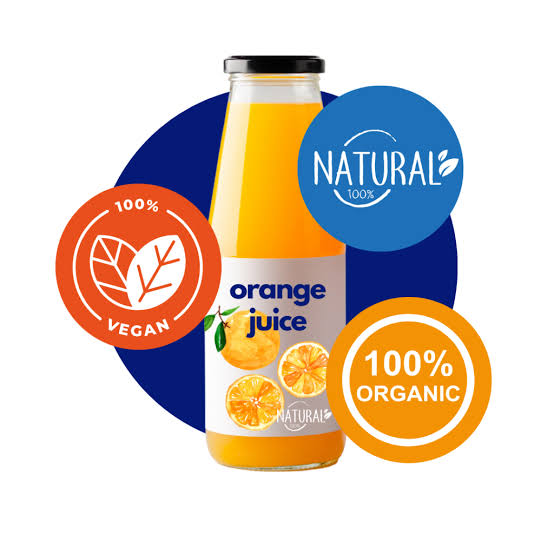
Walk down any supermarket aisle, and you’ll find food packages covered with phrases like “Natural,” “High in Protein,” “No Added Sugar,” “Low Fat,” and “Gluten-Free.” These statements, known as product claims, highlight specific characteristics of a food and often influence purchasing decisions. While some claims provide valuable nutritional information, others primarily serve as marketing tools. Understanding what these claims mean—and what they do not mean—can help you make informed food choices.
Manufacturers often place product claims prominently on the front of food packages to capture attention. However, these claims tell only part of the story. To understand a product’s overall nutritional quality, you should also read the nutrition information panel and ingredient list.
What Are Product Claims?
A product claim is any statement, word, symbol, or image on a food label that describes a product’s composition, nutritional value, quality, origin, or production method. Manufacturers use these claims to communicate specific attributes of a product and help consumers identify foods that meet their nutritional preferences or dietary needs. Some common examples include:
- High in Protein
- Low Fat
- No Added Sugar
- Gluten-Free
- Organic
- Made with Whole Grains
- Rich in Calcium
Although these claims appear similar, they do not all carry the same meaning. Some must meet strict regulatory requirements, while others describe general product characteristics or marketing features.
Common Types of Product Claims
Food labels commonly display four broad categories of product claims.
Nutrient Content Claims
These claims describe the amount of a particular nutrient in a food. Examples include:
- High in Protein
- Source of Fibre
- Low Fat
- Fat-Free
- Low Sodium
- Sugar-Free
- Reduced Sugar
- Reduced Sodium
- High in Calcium
Food manufacturers must meet specific regulatory criteria before using these claims on product labels.
Health Claims
Health claims describe a relationship between a food, nutrient, or ingredient and health. Examples include:
- Calcium contributes to normal bone health.
- Oats help maintain healthy cholesterol levels.
- Vitamin C supports normal immune function.
Most countries require manufacturers to support these claims with scientific evidence and, where applicable, obtain regulatory approval before using them.
Ingredient or Composition Claims
These claims describe what a product contains—or does not contain. Examples include:
- No Added Sugar
- Contains Whole Grains
- Made with Real Fruit
- No Artificial Colours
- No Artificial Flavours
- Preservative-Free
Although these claims may be accurate, they do not provide a complete picture of a product’s nutritional quality. Always consider them together with the ingredient list and nutrition information panel.
Lifestyle and Dietary Claims
These claims help consumers identify foods that suit particular dietary preferences or nutritional requirements. Examples include:
- Vegetarian
- Vegan
- Gluten-Free
- Lactose-Free
- Organic
- Non-GMO
Food regulations or independent certification bodies govern many of these claims, depending on the country and the type of claim.
Do Product Claims Mean a Food Is Healthy?
Not necessarily. A product claim highlights only one aspect of a food. It does not evaluate the product’s overall nutritional quality. For example:
- A product labelled “Low Fat” may still contain large amounts of sugar.
- A snack promoted as “High in Protein” may also contain high levels of sodium.
- “No Added Sugar” does not mean the product is sugar-free, as it may naturally contain sugars from ingredients such as fruit or milk.
- A product labelled “Natural” is not automatically healthier or more nutritious. The term alone does not guarantee that the product is low in sugar, salt, or fat.
Serving size also matters. Manufacturers base many nutrition claims on a single serving, so consuming multiple servings can significantly increase your intake of calories, sugar, sodium, or fat. These examples show why you should never rely on a single claim when choosing a packaged food. Instead, consider the product’s complete nutritional profile before making a purchase.
How to Read Product Claims Wisely
Product claims can help you compare foods, but they work best when you evaluate them alongside other information on the label. Before purchasing a packaged food:
- Read the nutrition information panel.
- Check the ingredient list.
- Compare similar products.
- Pay attention to serving sizes.
- Consider the product’s overall nutritional value instead of focusing on a single claim.
Taking a few extra moments to review the complete label can help you make more informed food choices.
Are Product Claims Regulated?
Yes. Many countries regulate nutrition and health claims to protect consumers from misleading information. In India, the Food Safety and Standards (Advertising and Claims) Regulations, 2018, issued by the Food Safety and Standards Authority of India (FSSAI), specify how manufacturers may use nutrition and health claims on food labels. These regulations require claims to be truthful, scientifically substantiated where applicable, and not misleading.
However, some terms used primarily for marketing may not have a precise legal definition or may be interpreted differently by consumers. For this reason, reading the complete food label remains the best way to understand what a product offers.
Conclusion
Product claims can help you identify foods that meet specific nutritional or dietary needs, but they provide only part of the picture. Looking beyond the claims and reading the nutrition information panel, ingredient list, and serving size will give you a more complete understanding of a product’s nutritional quality.
The next time you pick up a packaged food, don’t let the front of the package decide for you. Take a moment to read the entire label, compare products, and evaluate their overall nutritional value. A better understanding of product claims will help you make informed choices and become a more confident consumer.