Food Manifest
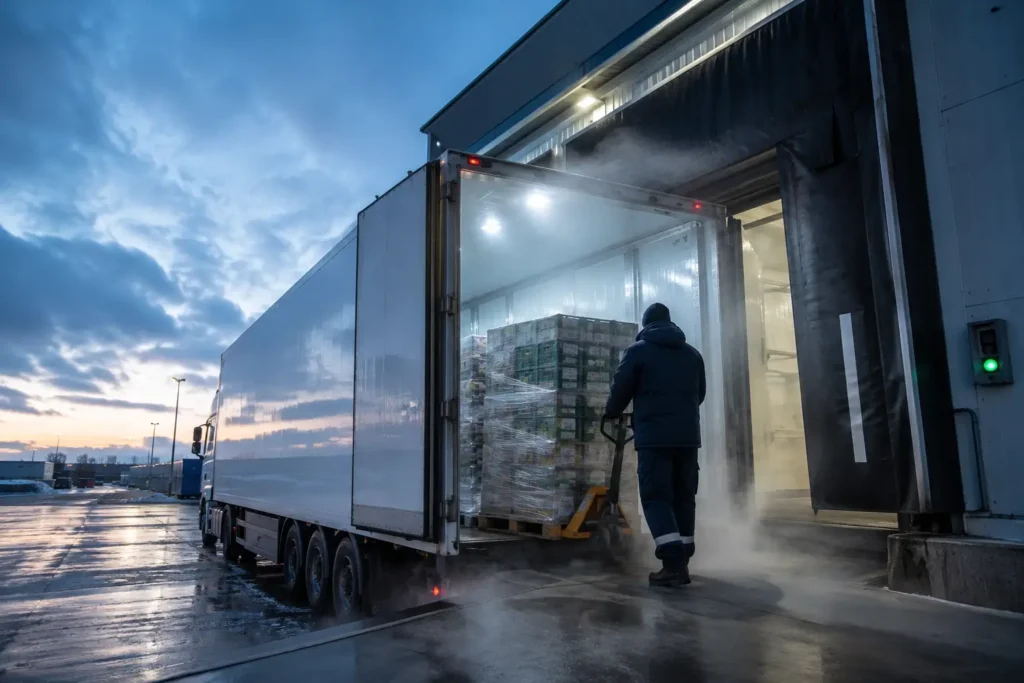
Perishable foods such as dairy products, meat, fish, and frozen foods require appropriate temperature control to maintain their safety and quality. However, keeping food cold at one stage is not enough. Temperature control must continue throughout storage, handling, transportation, and distribution. When this cold chain breaks, food may be exposed to conditions that encourage microbial growth, accelerate spoilage, and compromise safety. Knowing these risks and preventing disruptions are essential for food businesses.
What Is a Cold Chain?

A cold chain is a temperature-controlled supply chain that maintains suitable conditions for perishable food from production to consumption. It involves refrigerated storage facilities, temperature-controlled vehicles, suitable packaging, and monitoring systems. Different foods require different storage conditions. Businesses must establish appropriate temperatures for each product and maintain them throughout its journey. An effective cold chain helps preserve food quality and control microbial growth. However, refrigeration alone cannot guarantee food safety. Proper hygiene, handling, and compliance with food safety requirements remain essential.
Where Can the Cold Chain Break?
Temperature control can fail at several points between production and consumption. The consequences depend on the food, the temperature reached, and the duration of exposure.
Inadequate Storage
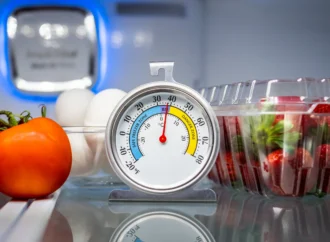
Refrigerators, cold rooms, and freezers must maintain appropriate temperatures. Equipment malfunctions, overloading, poor air circulation, and frequent door opening can disrupt temperature control. Regular maintenance and temperature monitoring help businesses identify problems before they compromise food safety.
Transportation Failures
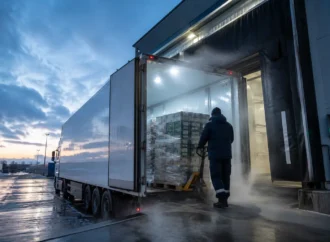
Perishable foods often travel long distances between processing facilities, warehouses, distributors, and retailers. Refrigerated vehicles help maintain suitable conditions, but equipment breakdowns, delivery delays, and inadequate pre-cooling can disrupt the cold chain. Frequent door opening during loading and unloading can also expose products to warmer surroundings. Efficient handling helps minimise these fluctuations.
Delays During Handling
Food may remain outside refrigerated storage while workers prepare shipments, inspect deliveries, or transfer products between vehicles and storage facilities. Poor coordination between suppliers, transporters, and retailers can prolong these delays. Efficient scheduling and prompt transfers help minimise temperature exposure.
Inadequate Temperature Monitoring
Checking temperatures only when products leave a warehouse or reach their destination may overlook fluctuations during transit. Calibrated thermometers, temperature data loggers, and suitable monitoring systems help identify deviations. Maintaining records also helps businesses determine when a problem occurred and which products may have been affected.
What Happens When the Cold Chain Breaks?
Increased Risk of Microbial Growth
Many harmful microorganisms multiply more rapidly when perishable foods remain at temperatures that support their growth. Refrigeration slows the growth of many microorganisms but does not necessarily eliminate them. Prolonged exposure to inappropriate temperatures can compromise food safety, even when products look and smell normal. This is particularly important for temperature-sensitive foods such as meat, seafood and certain dairy products.
Faster Spoilage and Reduced Shelf Life
Temperature fluctuations can accelerate deterioration, affecting food texture, flavour, appearance and freshness. Interruptions in the cold chain can reduce the quality of meat and seafood and shorten the usable shelf life of dairy products. Frozen foods may partially thaw during temperature fluctuations, affecting their quality. Repeated thawing and refreezing can further compromise texture. However, visible spoilage does not always indicate the full extent of a food safety risk. Food that appears acceptable may still be unsafe.
Food Waste and Financial Losses
Cold chain failures can force businesses to isolate, assess, or discard affected products. Losses may include the cost of goods, transportation expenses, and delivery disruptions. Repeated failures can also damage relationships between suppliers, retailers, and customers, undermining confidence in a business’s food safety practices.
How Can Businesses Prevent Cold Chain Failures?
Maintaining the cold chain requires coordinated action throughout the supply chain.
Maintain appropriate temperatures: Establish suitable storage and transportation conditions for each food category. Follow applicable regulatory requirements and product-specific instructions.
Monitor temperatures regularly: Use calibrated equipment and appropriate monitoring systems. Temperature data loggers and automated alerts can help identify deviations during storage and transportation.
Maintain refrigeration equipment: Inspect refrigerators, cold rooms, and refrigerated vehicles regularly. Preventive maintenance reduces the likelihood of unexpected breakdowns.
Minimise handling delays: Organise loading and unloading efficiently. Transfer perishable products promptly into suitable storage and avoid unnecessary exposure to ambient temperatures.
Train employees: Ensure workers understand temperature requirements, hygienic handling practices, and procedures for equipment failures.
Prepare for emergencies: Develop contingency plans for power failures, refrigeration breakdowns, and transportation delays. Assess affected products before deciding whether they remain suitable for distribution.
Maintain traceability: Document temperatures, deliveries, equipment checks, and corrective actions. Traceability helps businesses identify affected batches and supports product withdrawals or recalls when necessary.
When temperature deviations occur, businesses must assess the product’s exposure history and follow established food safety procedures. Returning food to refrigeration or reheating it does not automatically make it safe.
What Does the Recent FSSAI Advisory Mean?
The Food Safety and Standards Authority of India (FSSAI) has highlighted the importance of maintaining appropriate temperatures when handling, storing, and transporting perishable foods. The advisory reinforces the need for temperature control throughout the supply chain, not just inside storage facilities. Suitable transportation, hygienic handling, appropriate packaging, and traceability also support food safety.
Food businesses should review their procedures, monitoring systems, and employee training to identify weaknesses. They should consult the official advisory and applicable regulations for specific requirements relevant to their operations.
Conclusion
A cold chain is only as reliable as the systems and practices that maintain it. Refrigeration equipment, temperature monitoring, transportation arrangements, and employee practices must work together to protect perishable foods. When temperature control fails, the consequences can include food safety risks, accelerated spoilage, financial losses, and reduced consumer confidence. Identifying vulnerable points and responding promptly to temperature deviations can help businesses prevent these outcomes. Maintaining the cold chain is not simply about keeping food cold. It is about protecting food safety at every stage, from production to delivery.