Food Manifest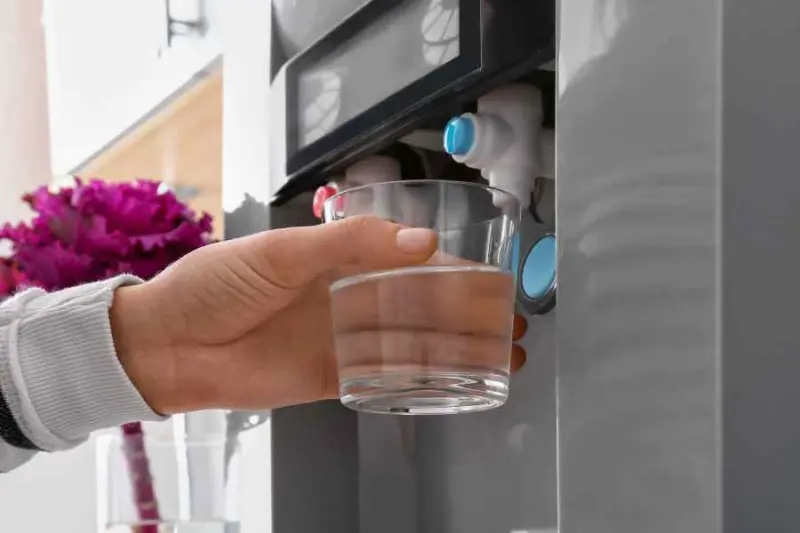
Significant Update
Installing a reverse osmosis (RO) system at home does not automatically ensure safe drinking water, a recent Chennai study has found. While RO technology can remove microbes effectively under ideal conditions, researchers detected microbial contamination in several household RO units in Chennai, pointing to poor maintenance and delayed filter replacement as major concerns.
The findings appeared in the peer-reviewed Journal of Exposure Science & Environmental Epidemiology in a study titled Evaluating Household Reverse Osmosis Systems for Microbial Safety: A Case Study from Chennai, India. Conducted by Suzan Kagan and colleagues, the study examined how household practices, awareness, and education levels affect drinking water safety.
Study Examined Water Samples From 216 Households
Researchers collected 262 water samples from 216 households across Chennai, analysing both untreated source water and RO-treated water to evaluate how effectively household filtration systems removed contamination.
The study showed that RO systems reduced contamination levels significantly, but did not eliminate them. About 31% of treated water samples still tested positive for Escherichia coli (E. coli), compared to 71% of untreated samples. E. coli bacteria normally live in the intestines, but certain strains can cause severe food poisoning, diarrhoea, vomiting, and other gastrointestinal illnesses.
Education and Awareness Influenced Water Safety Outcomes
The researchers also identified a strong connection between education levels and safe water handling practices. Among respondents with postgraduate education, 36% of post-RO samples contained E. coli. In households with lower education levels, the contamination rate rose to 83%. According to the study, many households assumed that installing an RO unit alone would keep drinking water safe. This belief often resulted in neglect of routine cleaning, servicing, and filter replacement, increasing the risk of contamination over time. The authors stressed that user awareness and proper maintenance practices play a critical role in preventing microbial contamination in household drinking water.
Contaminated Water Continues to Drive Disease Burden
The findings align with another 2025 study published in Scientific Reports by Shohaib Mustafa and colleagues. That study identified contaminated water as a major contributor to diseases such as typhoid, cholera, giardiasis, dysentery, hepatitis A, and Salmonella infections. Researchers also found that awareness about water pollution and health risks strongly influenced the adoption of domestic water filtration systems, while affordability remained a challenge for many households.
Researchers Call for Better Maintenance and Public Awareness
The Chennai study concluded that relying only on RO systems as a stand-alone solution for urban drinking water safety may not be sufficient. Researchers warned that low- and middle-income households often struggle to afford regular maintenance after purchasing expensive filtration systems. The authors called for a broader approach to water safety that includes a reliable piped water supply, proper regulation of household filtration devices, public awareness of maintenance and hygiene, and affordable service support.
Source: The Hindu