Food Manifest
Key Update
What appears to be a routine dish in a Tirupati restaurant may pass through multiple contamination points before reaching the customer. Recent inspections by Food Safety teams, led by Municipal Health Officer Dr Yuva Anvesh, have exposed widespread non-compliance across eateries in the temple town.
Widespread Lapses in Storage and Handling
Inspectors identified consistent gaps in food handling and storage practices, ranging from poor inventory control to pest infestation. In one severe case, authorities sealed an outlet for non-compliance.
A major concern was the failure to follow storage protocols mandated by the Food Safety and Standards Authority of India. Raw meat, cooked food, vegetables, and ready-to-eat items were stored together without segregation. Many outlets also ignored FIFO (First In, First Out) and FEFO (First Expiry, First Out) systems, while ingredients were stored for long periods and reused without proper labelling or traceability.
Contamination Risks Increase Across the Chain
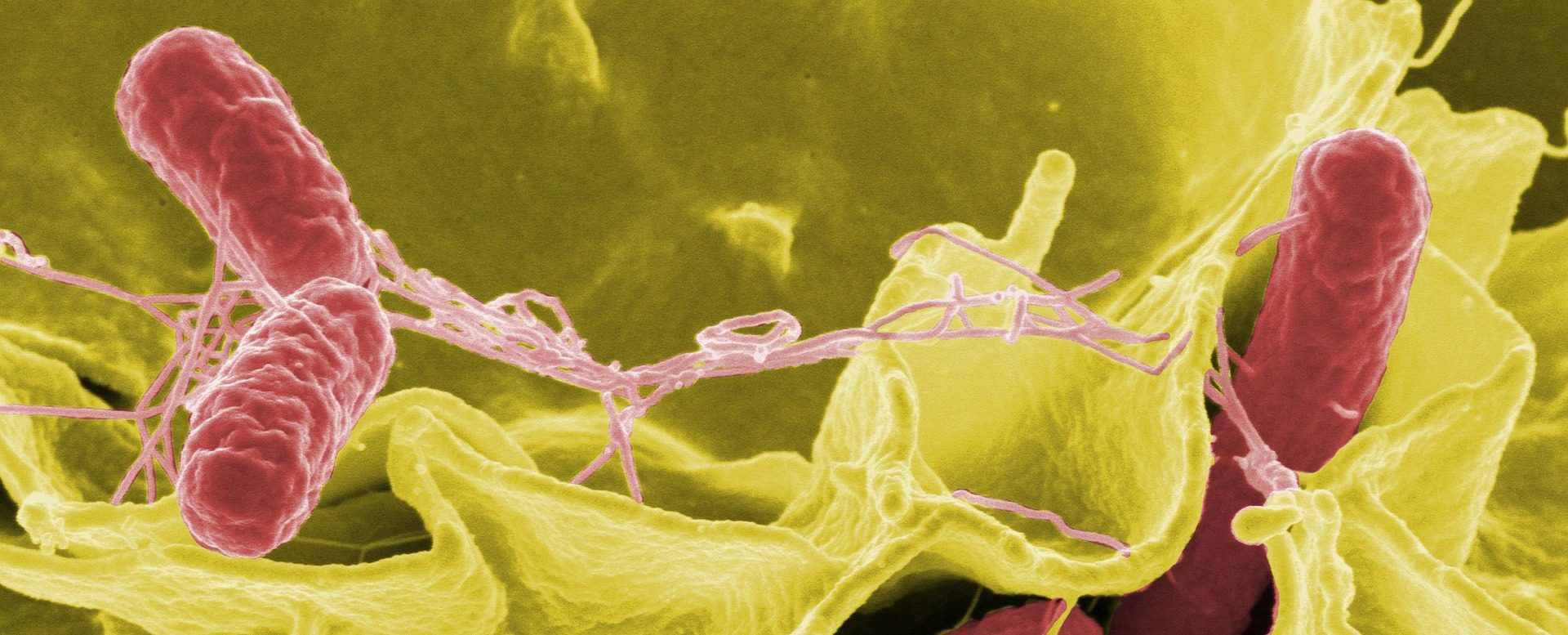
These lapses significantly increase the risk of contamination. Poor storage and lack of temperature control create ideal conditions for microbial growth. Pathogens such as Salmonella, E. coli, and Listeria can spread easily through cross-contact and contaminated surfaces. Officials noted that once storage systems fail, contamination can quickly affect the entire kitchen environment.
Rodent Activity Raises Serious Safety Concerns
In a particularly serious finding, one restaurant used its basement for storage despite construction debris and clear signs of rodent activity. Food items, including spices, were stored in areas with rodent movement and droppings. Experts warned that rodents can introduce harmful microorganisms through urine, droppings, and direct contact—especially in dry foods where contamination may go unnoticed.
Chemical and Physical Hazards Also Detected
Beyond biological risks, inspectors found repeated use of cooking oil beyond safe limits, leading to the formation of harmful compounds such as trans fats and oxidation by-products. Excessive use of artificial food colours beyond permissible levels was also observed. Poor housekeeping further contributed to physical contamination, with dust, debris, and packaging waste entering food during handling.
Enforcement Tightened, More Action Likely
Under FSSAI norms, strict segregation, pest control, hygienic storage, and inventory systems are mandatory. However, inspectors found multiple deviations. Authorities have registered over 22 cases and imposed penalties totalling ₹8 lakh. Food samples have been sent for laboratory analysis, and further action will follow based on the results. Officials have now intensified monitoring, emphasising that such lapses are not minor. When biological, chemical, and physical hazards combine, the risk of foodborne illness rises sharply.
Source: Deccan Chronicle