Food Manifest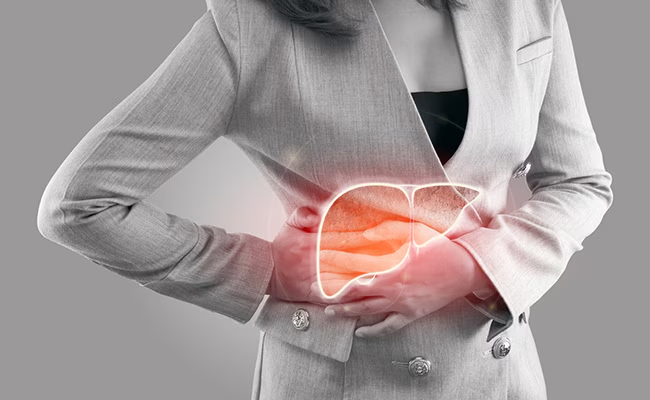
Overview
Food poisoning cases usually rise during summer as high temperatures create ideal conditions for bacteria and other harmful microbes to grow in food. In India, food poisoning has become a major public health concern, with several outbreaks reported every week. While foodborne illnesses can affect anyone, they can become more serious for people living with fatty liver disease.
What Is Fatty Liver Disease?
Fatty liver disease develops when excess fat accumulates in liver cells and affects the organ’s normal functioning. The condition can occur due to excessive alcohol consumption or unhealthy lifestyle habits such as poor diet, obesity, and lack of physical activity. Cases of non-alcoholic fatty liver disease are also increasing among children and young adults in India. The liver plays a key role in filtering toxins, breaking down nutrients, and supporting digestion. When fat builds up in the liver, these functions slow down, making the body more vulnerable to infections and foodborne illnesses.
Why Fatty Liver Patients Face a Higher Risk
People with fatty liver often have weaker digestion and slower metabolism. Their liver may struggle to remove toxins efficiently, which increases the impact of contaminated food on the body.
Excess fat in the liver can also:
- Reduce bile production and affect digestion
- Slow immune response
- Increase inflammation in the body
- Delay recovery from infections
As a result, food poisoning can place extra stress on the liver and worsen existing health problems.
Why Summer Increases Food Poisoning Risk
Hot and humid weather allows bacteria to multiply quickly in improperly stored food. The risk becomes higher when people consume:
- Street food is prepared under poor hygienic conditions
- Leftover food stored at unsafe temperatures
- Contaminated water or beverages
Summer dehydration can also weaken digestion and make recovery more difficult.
Symptoms You Should Not Ignore
Food poisoning can trigger severe symptoms in people with fatty liver. Common warning signs include:
- Persistent vomiting or diarrhoea
- Stomach pain and bloating
- Fatigue and dehydration
- Fever and weakness
- Sudden worsening of liver-related symptoms
Severe food poisoning may temporarily increase liver enzymes and place additional pressure on the liver.
Food Safety Tips for Fatty Liver Patients
People with fatty liver can lower their risk of food poisoning by following proper food safety practices:
- Drink boiled or filtered water
- Avoid stale or improperly stored food
- Limit consumption of street food
- Maintain kitchen and hand hygiene
- Refrigerate leftovers immediately
- Avoid skipping meals
- Stay hydrated during hot weather
When to Consult a Doctor
Seek medical attention immediately if symptoms persist for more than a day, dehydration worsens, or severe abdominal pain develops. Food poisoning and fatty liver can become a dangerous combination, especially during the summer. Safe food handling, proper storage, and good hygiene practices remain essential to protect liver health and prevent serious complications.
Source: NDTV